
Fabric provision is an important factor in defining comfort, longevity, and aesthetics in both residential and commercial settings. The fabric you use directly influences the way your furniture lasts, how easy it is to take care of, and the way your room looks and works. This guide is aimed at assisting you to have a clear understanding of furnishing fabric at all angles. You will get to know its technical definition, major features, the type of fabric used, performance, how to source it in China, price aspects, and the most frequent purchasing mistakes. Let’s dive right in!
What Is Furnishing Fabric?
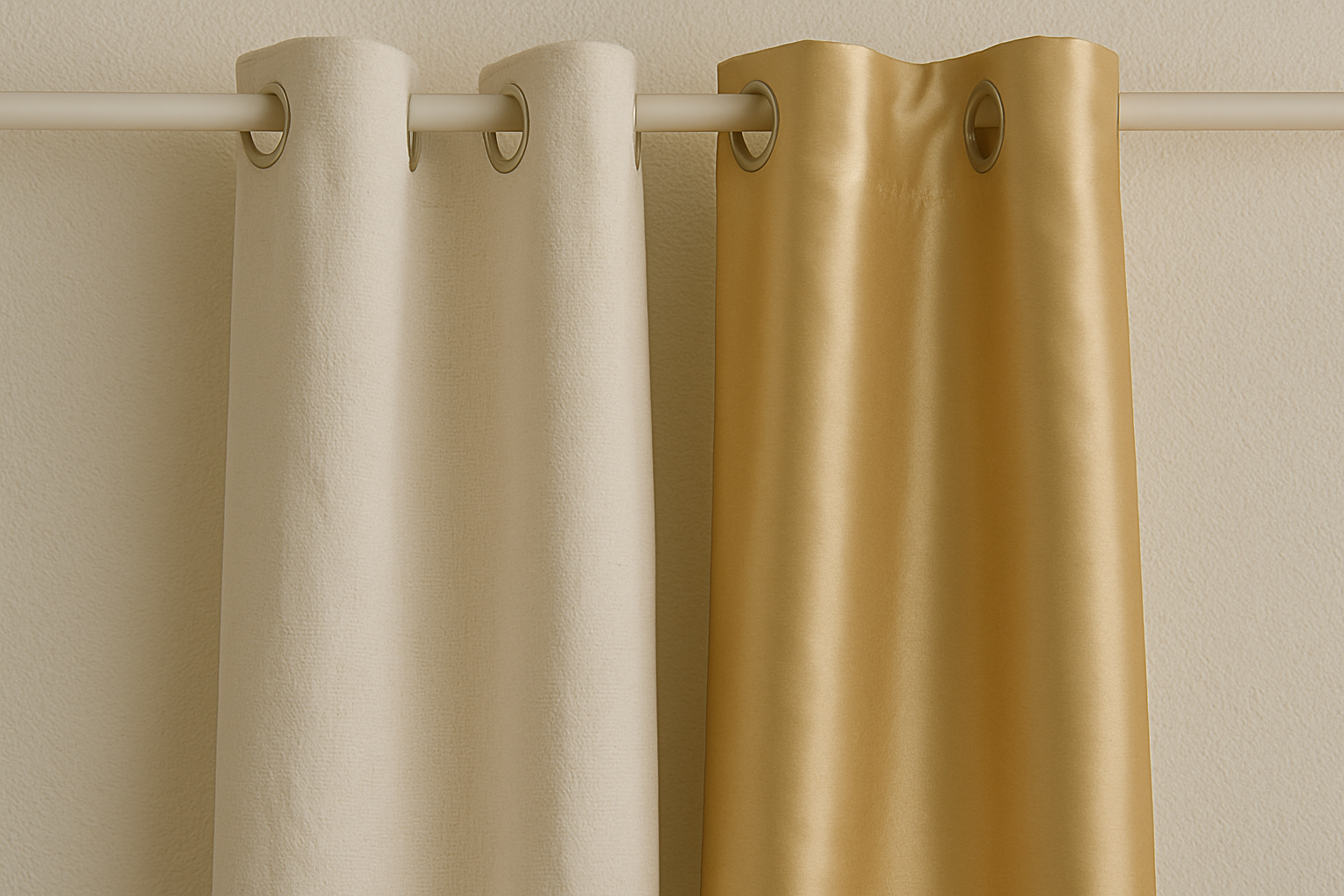
Furnishing fabric is applied on surfaces that require strength, comfort and permanence in appearance. It is technically an interior textile that is engineered to be used constantly. It is all about striking a balance between durability, comfort, and design in a single material. To endure heavier loads, manufacturers construct it in contrast to the apparel fabrics. You have thicker strands, finer weaving and shielding finishes. Strength, resistance to abrasion, and dependable colorfastness is required in performance. It also sells curtains, drapes, cushion covers, bedding accents, and wall covers. Every application requires its performance profile.
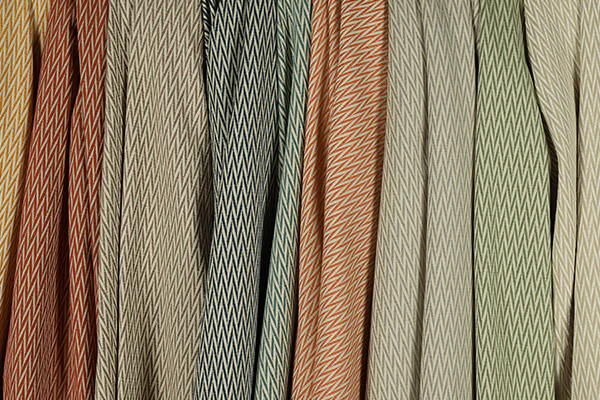
Key Characteristics of High-Quality Furnishing Fabric
Strength and tensile performance
The furnishing fabric should be of good quality and have the ability to resist constant pulling and pressure without tearing. You are dependent on high-grade fibers to assist in everyday sitting and movement. Seam failure is prevented by high tensile strength. It is also capable of maintaining fabric shape under stress. This guarantees structural stability in the long run.
Stain resistance
Stain resistance helps in the protection of the fabric surface against spills. You have the advantage of simpler cleaning and less permanent marks. Liquids are resisted by treated fibers. This attribute is the most important in houses with children or pets.
Resistance to wear and abrasion
Abrasion resistance is a measure of the resistance to friction in the fabric. You require high counts of rubs in sofas and chairs. Fabrics with low abrasion have short life span. High resistance ensures improved service life.
Fade resistance and color retention
Good materials do not fade with the sun and washing. You do not get homogeneous, half-painted coloring. UV stable dyes minimize fading. This makes interiors aesthetically longer-lived.
Texture and hand feel
Comfort and perceived luxury are influenced by texture. You can feel the softness or hardness at once. Balanced smoothness is achieved by well-finished yarns. Bad texture indicates low grade weaving.
Breathability vs. performance balance
Trousers that are breathable enhance comfort in hot climates. You do not get overheating when in use. Performance coatings should not be airtight. Sitting balance is important.
Environment and sustainability
Environmental harmful materials are minimized through sustainable fabrics. You are in favor of responsible sourcing using recycled or organic fibers. Dye with low impact reduces exposure to chemicals. This also enhances indoor air quality.
Cleanliness and simplicity to maintain
Lightweight materials make it easier to maintain. You save time on spot cleaning and washing. Rapidly drying surfaces eliminate damage by moisture. This reduces maintenance expenses in the long run.
Fraying and pilling resistance
Good yarns do not fuzz or fray. You look clean following heavy usage. Close weaving reduces fiber breakage. This maintains surface integrity in the long run.
Which Fabrics Are Suitable for Use as Furnishing Fabric?
Natural Fibers
Cotton
Cotton is a natural vegetable fiber that is produced out of cotton bolls. It is mainly made of cellulose and is soft and breathable. You receive a smooth texture which is comfortable to use in everyday life. Cotton is moisture absorbent and is cool in warm weather. It stains readily and has extensive design capability. It does not require complicated care to clean. Its primary shortcoming is reduced resistance to abrasion. It is easily wrinkled and can be lost in intense sunlight. Cotton is also commonly used in cushion covers, slipcovers, and light upholstery.
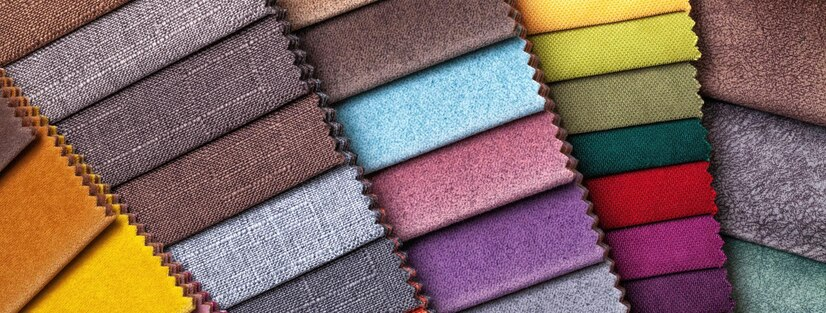
Linen
Flax plant fibers are made into linen. It is made of powerful natural cellulose with a sharp surface feel. You are cold-blooded even when it is hot. Linen is breathable and fast in releasing moisture. Its natural slub makes it look of high quality. You have high strength and low elasticity. It folds easily and requires proper care. Linen is used by designers as curtains, accent upholstery and decorative cushions.
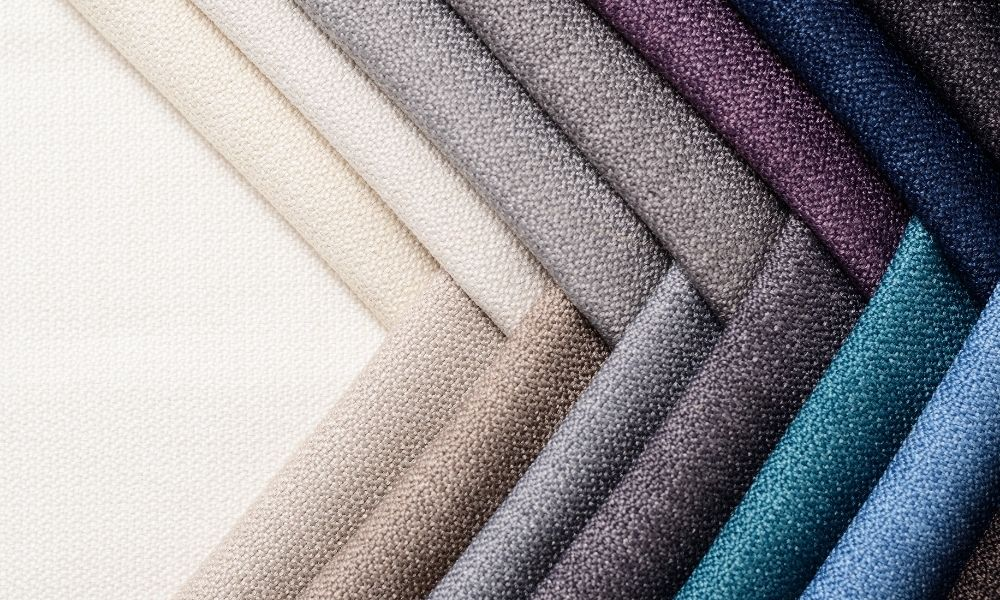
Wool
Wool is a fiber of animal material that is derived out of sheep fleece. It consists of keratin fibers that are made of protein. You have great insulation and natural insulation. Wool is flame-resistant without being chemically treated. It keeps off moisture and prevents dirt. The fiber has pressure-recovered springs. You have good abrasion performance. Wool is suitable in upholstery and commercial interiors with high usage.
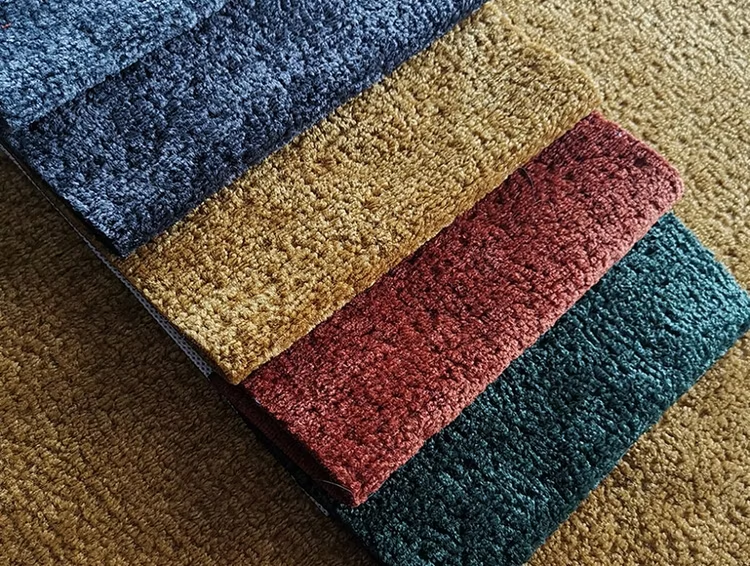
Silk
Silk is a protein fiber that is made by silkworms. It is long with smooth filaments that appear natural. You attain unparalleled look of luxury and fabric. Silk is light and smooth. It does not have a good abrasion resistance. The fiber is easily weakened by sun exposure. Silk must be applied to low-traffic decoration using furniture.
Synthetic Fibers
Polyester
Polyester is a man-made fiber that is produced using polymer based materials, which are petroleum based. It is very durable and does not stretch or shrink, hence it is best used in furniture which is used frequently. Polyester does not wrinkle, has good holding properties and retains bright colors. It is a favorite among cost effective upholstery, cushions and drapes due to its affordability. Polyester can be used in the indoor as well as moderate outdoor use due to its combination of durability, simple maintenance and uniform appearance.
Nylon
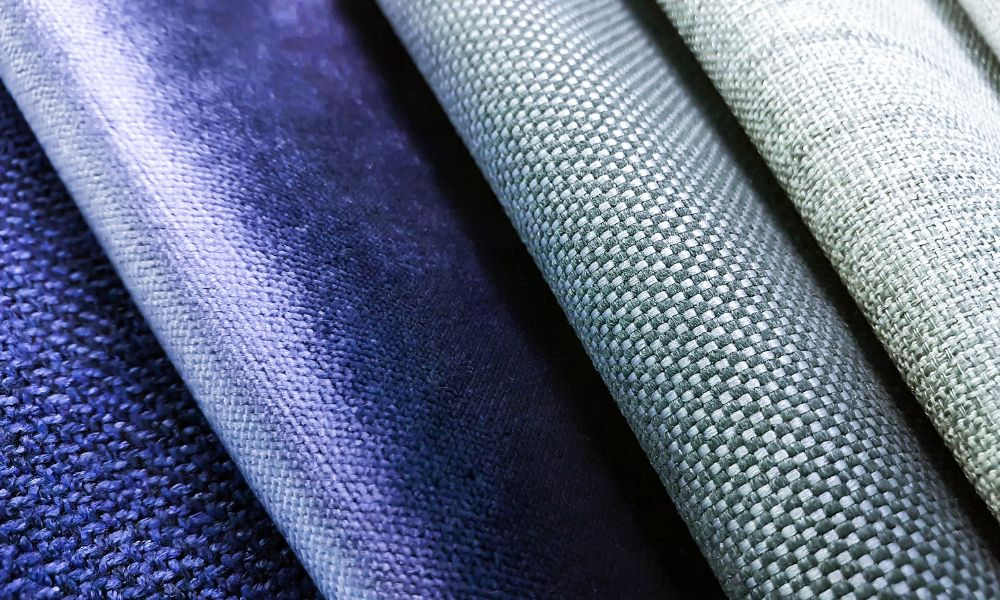
Nylon is a powerful, synthetic fiber that is characterized by high tensile strength and resistance to abrasion. It consists of polyamide polymers that make it tough and flexible. The smooth finish on nylon prevents wear and tear characteristics thus suitable in high traffic furniture and decorative objects. Nylon is also resilient and can retain color and texture, thus you will find it suitable in upholstery, rugs and commercial furnishings.
Acrylic
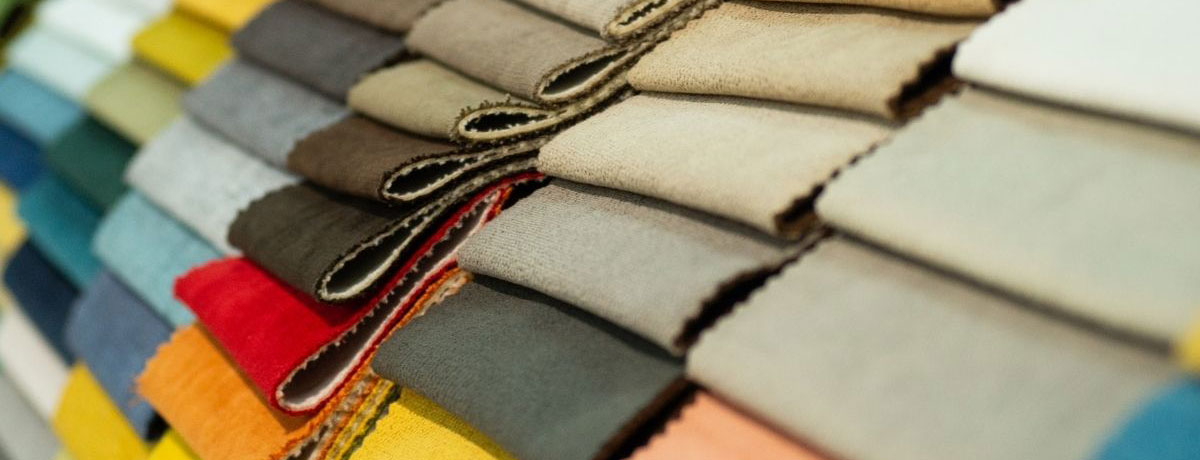
Acrylic is a synthetic wool-like fiber that is frequently utilized as a lightweight substitute of wool. It is fade resistant, moisture resistant and mildew resistant and keeps fabrics fresh longer. Acrylic is applicable in cushions, throws and upholstery where softness and color retention are important. You will have the comfort without sacrificing longevity.
Olefin (Polypropylene)
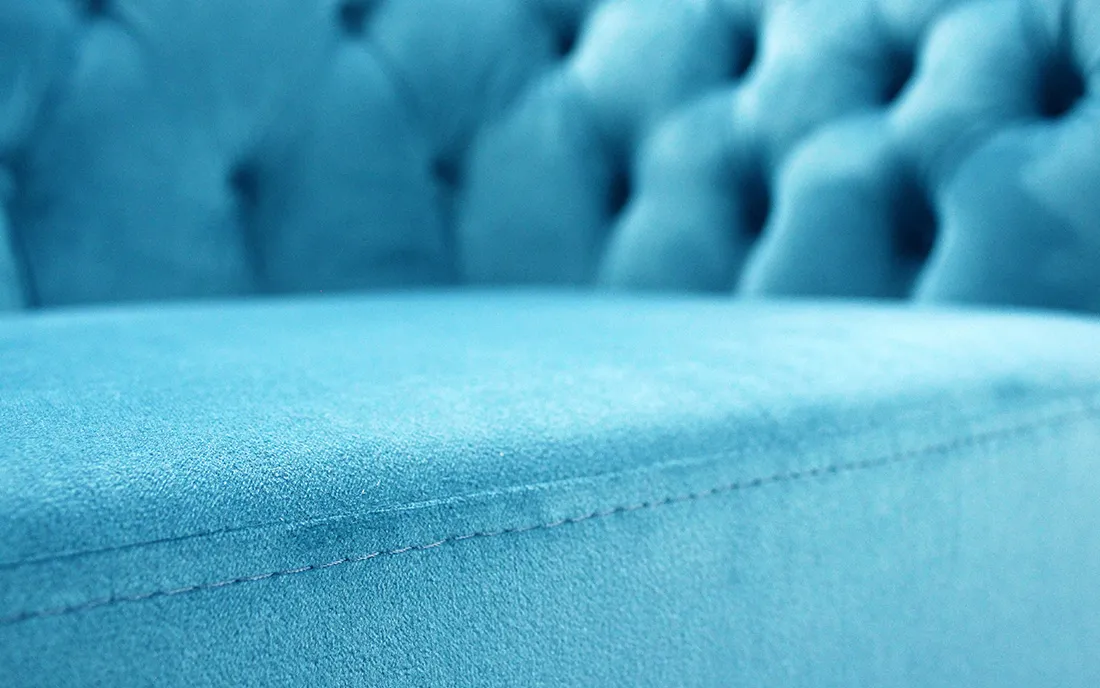
Olefin or polypropylene is a synthetic fiber that is very resistant to moisture and stains. It is light but durable and it is suitable in outdoor furniture, rugs, and carpets. You will be glad to have olefin resistive to mold, mildew and UV damages, hence very applicable in indoor and outdoor furnishing purposes.
Blended Fabrics
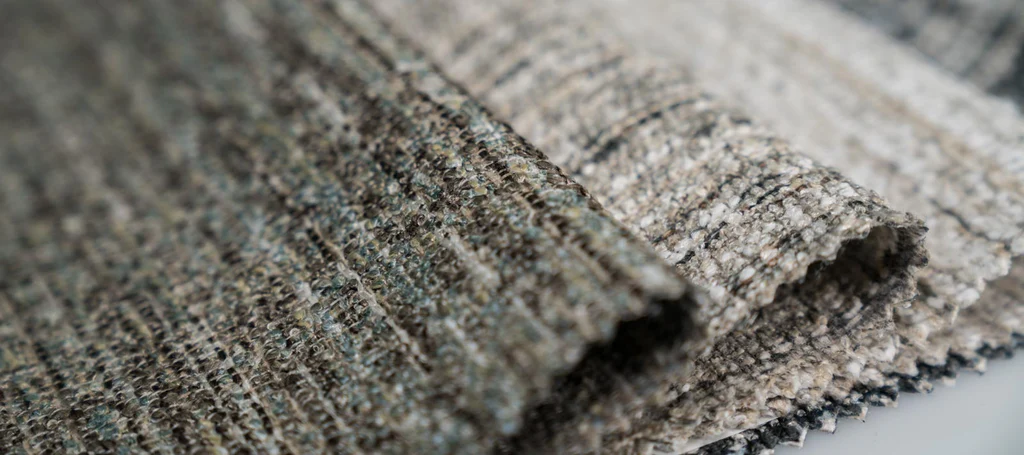
Blended fabrics are two or more fibers mixed in order to improve performance and appearance. Fiber mixtures create a balance between comfort, durability and cost. The blend enables designers to minimize the weaknesses of single fibers and maximize their strengths. Blending also enhances texture, elasticity, as well as appearance hence making fabrics adaptable to multiple furnishing uses.
Cotton-Polyester Blends
Combination cotton-polyester fabrics are made using natural cotton and synthetic polyester. Cotton is soft and breathable, whereas polyester is strong, resistant to wrinkles, and durable. This combination is comfortable, does not fade easily and can withstand everyday use, thus suitable in upholstery, cushions and even curtains.
Wool-Synthetic Blends
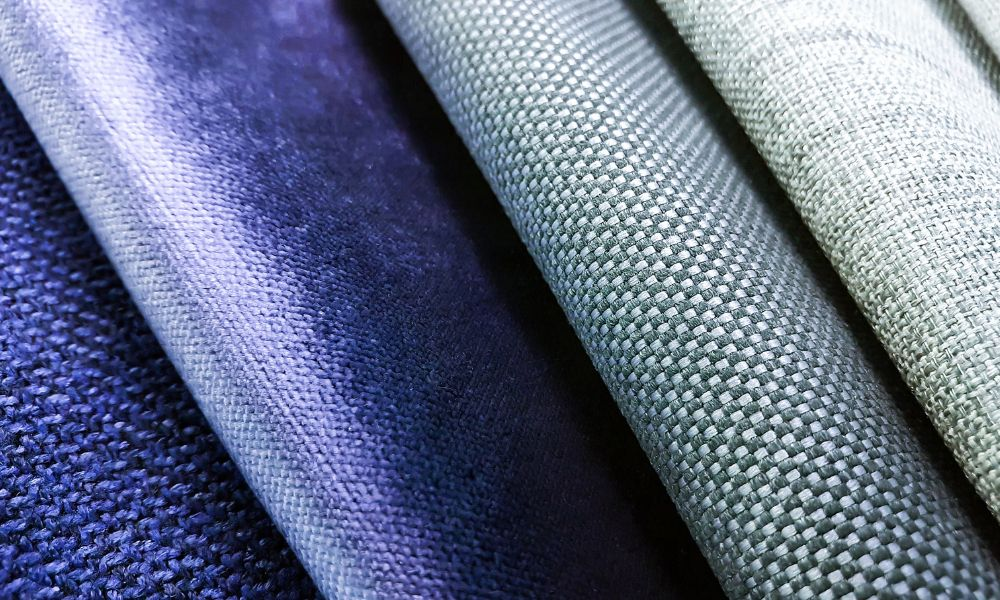
Wool-synthetic blends are a combination of wool fibers with other fibers such as acrylic or nylon. Wool is warm and textile and flame resistant. Synthetics enhance abrasion resistance, durability and decrease shrinkage. The mix makes the fabric durable, comfy and attractive enough to use on a sofa, blanket and decorations.
Specialized Performance Fabrics
Microfiber
Microfiber is a man-made fabric that is produced out of ultra-fine polyester or nylon fibers. It is soft, smooth and lightweight with high durability. It is impregnable to dirt and stains and thus the best choice in sofas, cushions and drapes. Its convenient maintenance and durable color properties are an advantage to you, as you have fresh and bright furnishings. Microfiber is also water resistant, which makes it useful at homes with children or pets.
Outdoor Fabrics
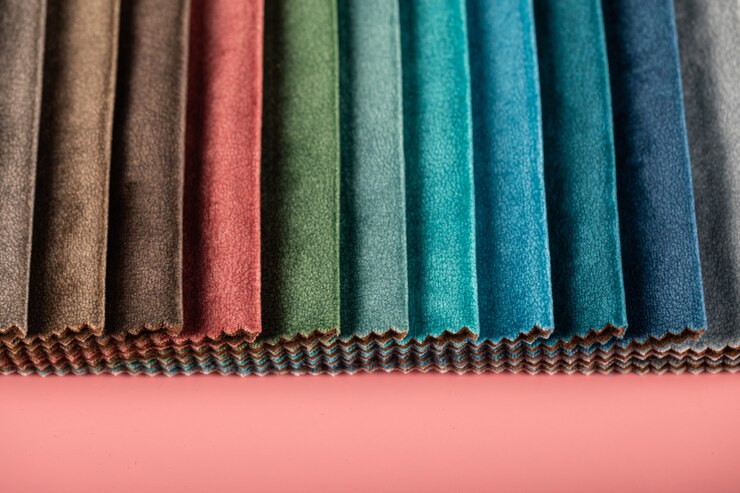
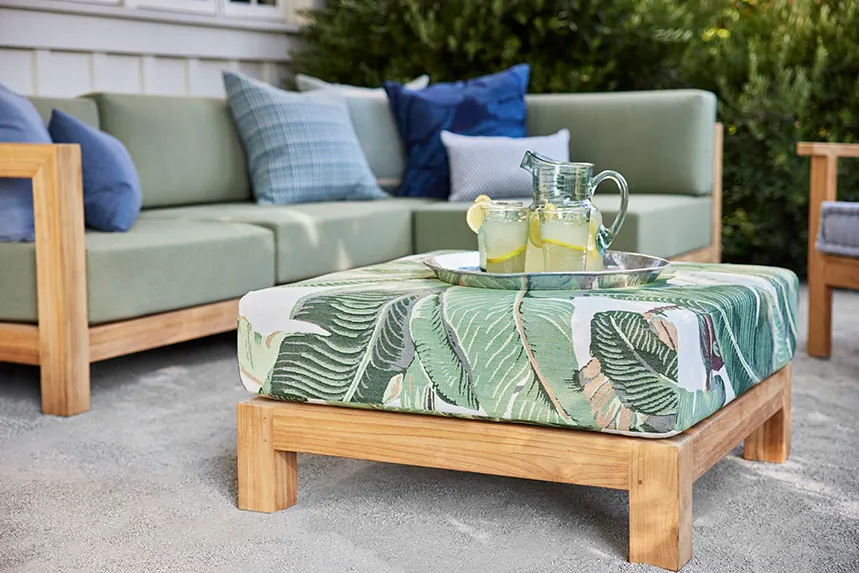
Outdoor fabrics are meant to resist the sun, rain, and fluctuated temperatures. They are commonly constructed of solution-dyed acrylic, polyester, or olefin fibres. These materials are not fading, mildew, or water resistant so they are ideal in patios, garden seat cushions, or balcony cushions. You will not fear them being ruined or losing their color when you use them in wet or rainy weather.
Fire-Retardant Fabrics
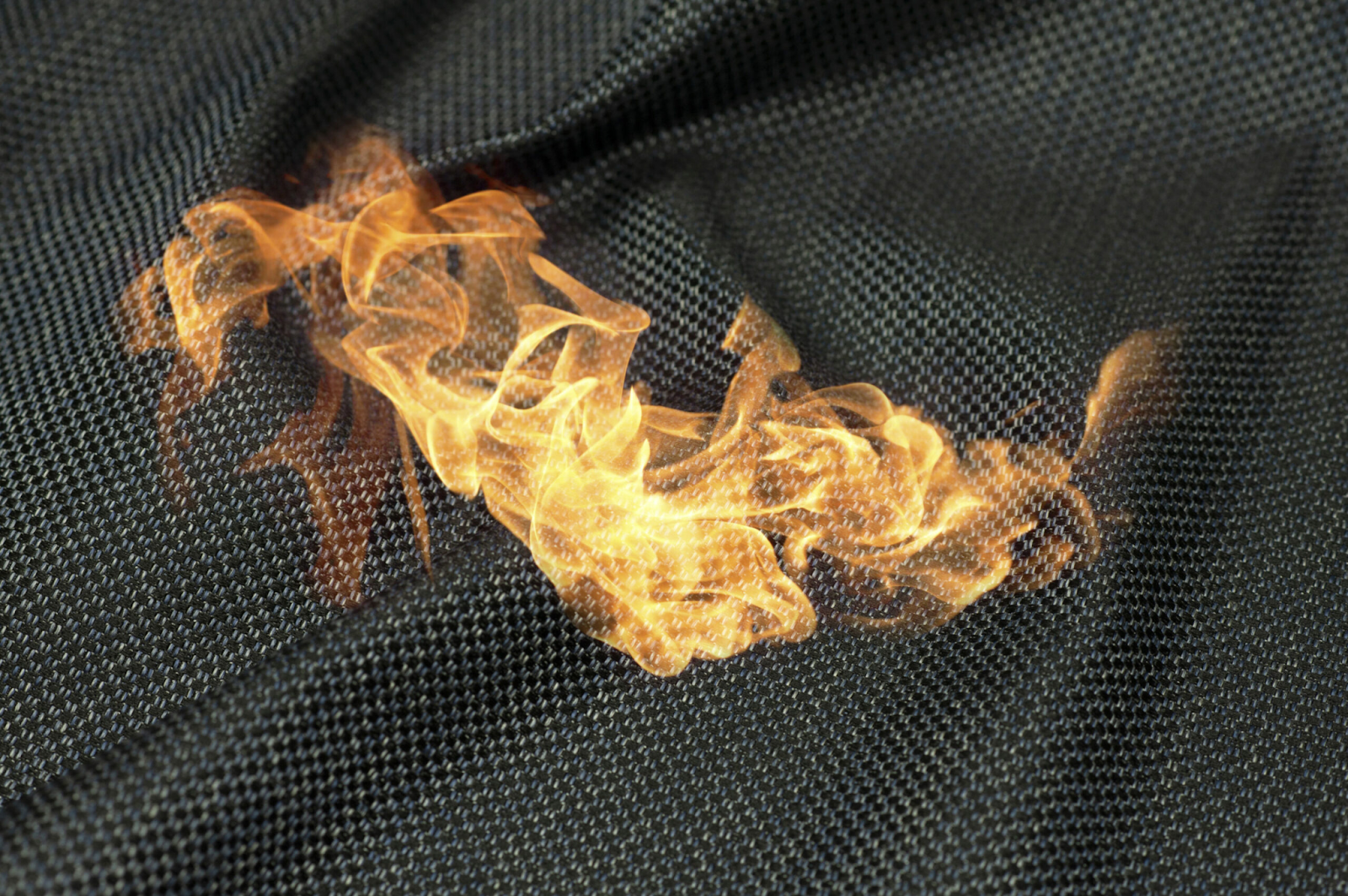
Fire-resistant fabrics are treated or naturally fire-resistant. Treated polyester, wool, or specialty blends are common fibers. They reduce the speed of fire and add additional security to the areas of the population, offices, or business interiors. You feel at ease knowing that these fabrics are safe without being ineffective and uncomfortable.
Antimicrobial and Anti-Odor Treatments
These fabrics use either chemical or natural substances that inhibit bacteria and odor. They are made of cotton, polyester or a combination of both and they keep their hygiene in high-use locations such as upholstery, mattresses, and cushions. You have healthier, fresher furnishings that last longer diminishing maintenance and increasing the comfort of your indoors.
Fabric Weaves and Constructions Used in Furnishing
Plain weave
The simplest fabric structure is plain weave, where the threads cross and under each other in turn. It offers moderate strength and performance. It will be easy, light, and will be appropriate on curtains, cushions, and light upholstery.
Twill weave
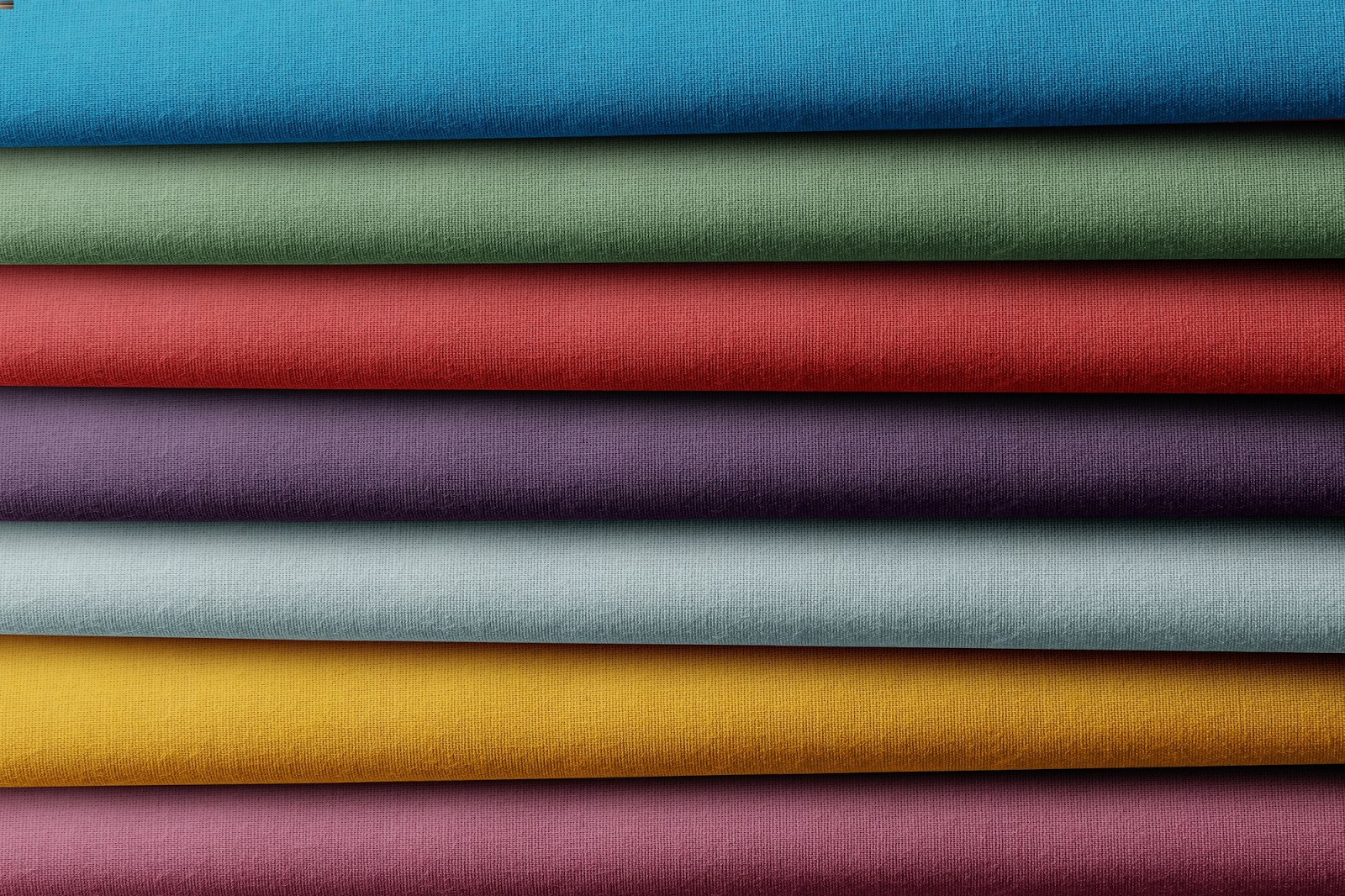
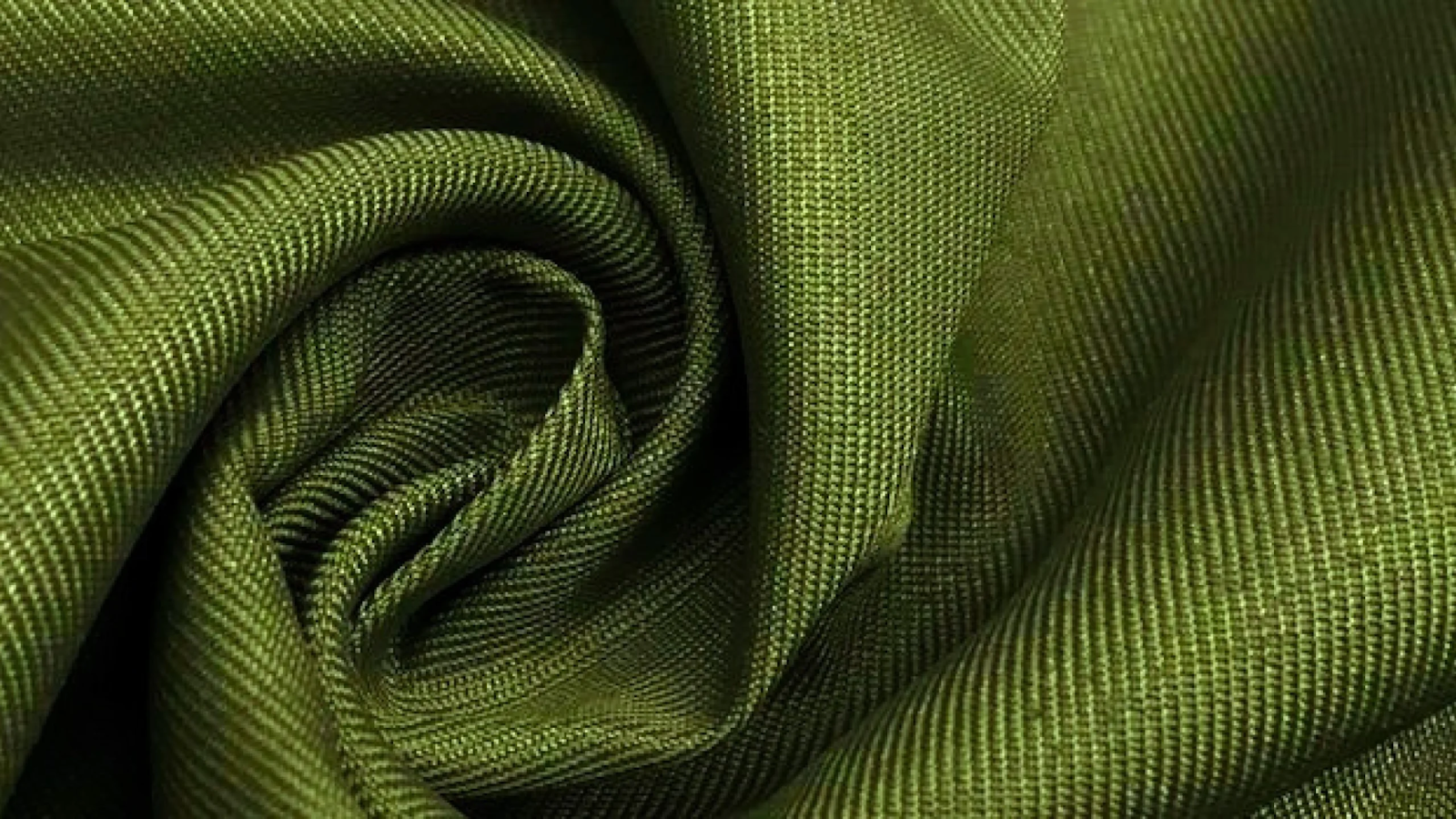
Twill weave has diagonal designs created by staggered crossing of threads. It is a powerful weave that does not wrinkle easily and covers stains. It can be applied to sofas, chairs, high-traffic furniture.
Jacquard weave
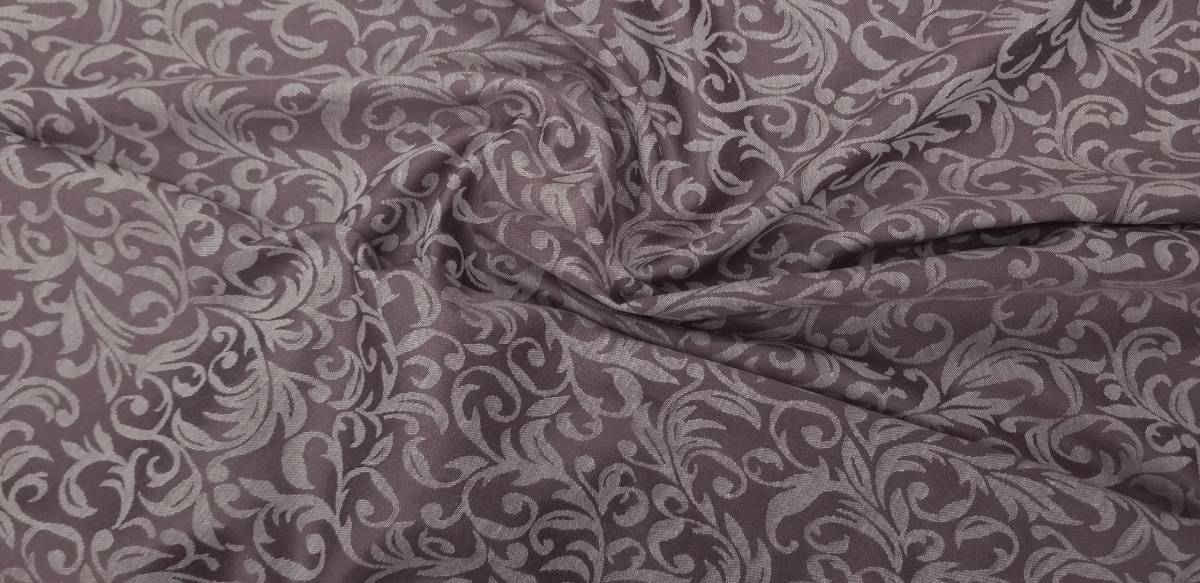
Jacquard weave is a method of producing complex designs in the cloth with an elaborate loom. It is very elegant and textured and can be used as a decorative upholstery and drapery. You have the option of designs that are used to add luxurious interiors.
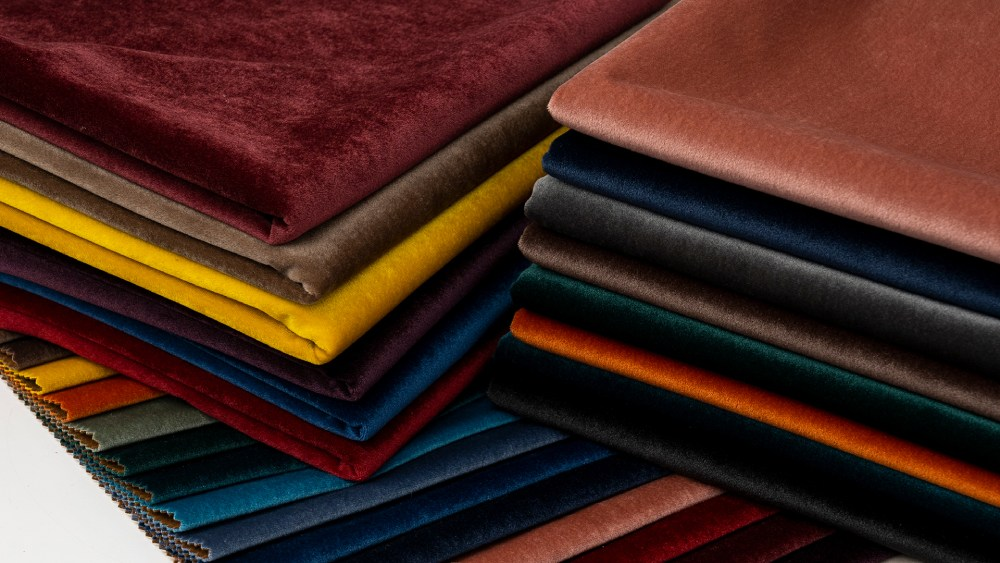
Velvet and pile fabrics
These are fabrics that are raised with soft densely woven fibers. They are soft and luxurious in appearance. They can be used as accent furniture or statement pieces.
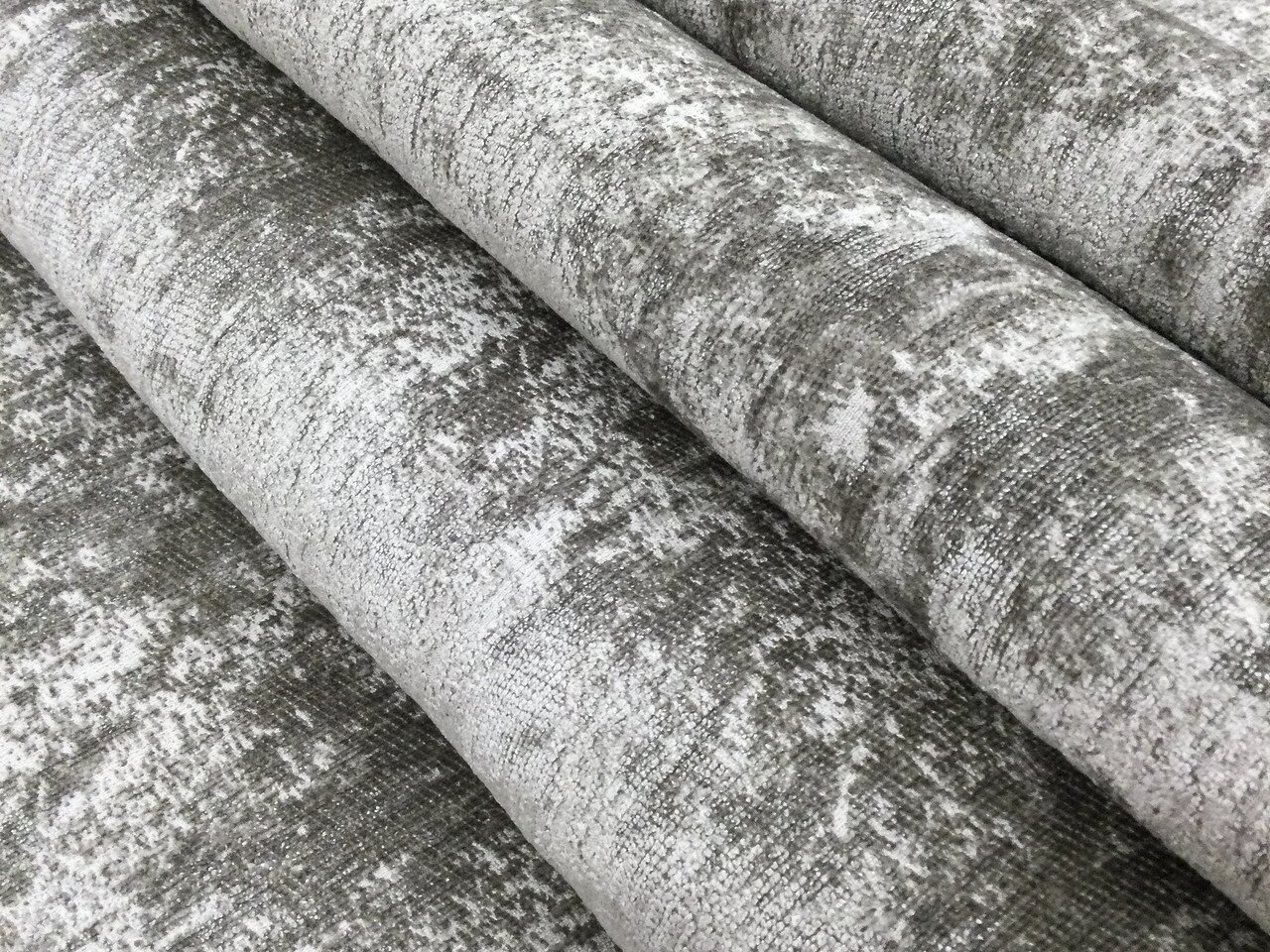
Chenille
The chenille yarns are intertwined to give them the fuzzy touch, which is soft and luxurious. It is strong and can be worn on sofas, cushions and throws. You will be comfortable as well as visual.
Knitted and woven furnishing fabrics
Knitted fabrics are stretchy and flexible whereas woven fabrics are stable and strong. You may choose knitted fabrics to be flexible and woven to be durable.
Impact of weave structure
The weave structure influences the texture, strength, wear resistance, and appearance in general. Weave type should be matched to the needs of use as well as beauty.
Why China Is a Major Source of Furnishing Fabric
China is one of the most prominent centres in the textile business, which provides garments to the world in an effective manner. Its large scale of manufacturing and established infrastructure is beneficial to you, as it guarantees stability in production. Vertical integration of the country allows you to have raw materials, weaving, and finishing on a single roof. You are able to enjoy price competition without losing quality. Technologies of advanced fabric processing enable you to have innovative, durable, and high-performance materials. Also, China has a broad selection of fabrics and customization, which facilitates the search of the perfect fit to your furnishing requirements and design vision.
How to Source Quality Furnishing Fabric from China
Specify Your Specific Needs
Definitely define your fabric requirements prior to sourcing. Determine the target application, fiber structure and strength needs. Take into account such performance requirements as abrasion resistance, colorfastness and stain resistance. Establish a sensible budget and adhere to the applicable certifications. Clearly defined requirements will assist you in rejecting unsuitable materials and expensive errors.
Locate Trustworthy Suppliers
Find suppliers in large Chinese textile centres. Know the distinction between manufacturers and traders. Assess credibility based on previous reviews, and its manufacturing capacity and consistency of quality. Authenticated suppliers are reliable in delivery, meeting standards, and easy communication, and they would therefore be suitable to furnish fabrics on a long-term basis.
Order and Test Fabric Samples
Take physical samples to evaluate the quality of weaves, consistency of color, texture and flexibility. Strong and durable test by hand or laboratory. Testing of proper samples guarantees that the fabrics are suitable to meet the needs of furnishings, which are comfort, performance and appearance in the case of furniture, drapery and upholstery work.
Confirm Certifications and Compliance
Fire retardancy, environmental compliance and check safety standards. Authenticate quality management system certifications. Compliance ensures fabrics are appropriate to regulatory needs and at the same time are durable, stain-resistant and appropriate to home or commercial furnishing.
Minimum Order Quantities and Price Negotiation
Know the elements of cost, such as type of fiber, complexity of weave, finishing, and shipping. Balance the fabric quality with the pricing in order to get value and performance at the same time. Take into account customization costs, in which case, tailor-made designs or patterns can add minimum order requirements.
Capacity Analysis and Lead Time Production
Sample schedules to prevent project procrastination. Consider bulk production schedules, so long as it lives up to delivery expectations. Consider seasonal changes in production that may be significant to lead times, especially in holiday or peak periods.
Quality Management
Conduct raw materials and machinery pre-production inspections. In-line checks during weaving or finishing to check uniformity. Final random inspections of color, strength and integrity of weave at shipment.
Shipping, Packaging and Logistics
Always give the fabric rolls in a proper way to prevent wrinkling and dampness and contamination. Check export papers, which include customs papers and conformity certificates. Choose safe transportation procedures to prevent the tearing of fabrics when shipping and delivering.
Handling Risk in China Sourcing
Demand less quality control by guaranteeing high standards of inspection. Be ready in case of a delay and stock up on reserve. Eliminate miscommunication by having clear specifications, updated specifications and written contracts. Risks will be minimized by the presence of contingency plans, and it will enable the efficient source supported by contingency plans.
Common Mistakes to Avoid When Buying Furnishing Fabric
In purchasing furnishing fabric, you cannot simply buy on the basis of appearance. You have to look at durability ratings. Sample before making bulk orders, always request and test. Take into account the maintenance requirements because there are fabrics that require special cleaning or care. Shipping and import costs should also be considered so that there are no unwanted surprises. Certifications should not be overlooked, as they guarantee safety, quality and compliance. With these considerations, you will be able to choose clothing that will last longer, work better, and keep their appearance made.
Cost Breakdown of Furnishing Fabric (What Affects Pricing?)
Fiber Type and Blend Ratio
The type of fiber defines the quality of base and touch of furnishing fabric. Such natural materials as cotton are soft and breathable, whereas synthetics are durable and resistant to stains. Composites combine comfort and power. Clothing made of finer fibers or the best combinations is more expensive because of its improved functionality, durability, and looks.
Weave Complexity
The weave influences the texture, strength, and the complexity of design. Plain weaves are easy and cheaper, whereas jacquard or velvet weaves are more luxurious. Complex weaves are costlier and take more time to produce and consume more materials. The right weave will make your furniture appear fancy and it will survive everyday use.
Finishing Treatments
Furnishing helps to improve appearance, touch, and usability. Softness, luster, and strength are enhanced by mercerizing, brushing, or calendering. Special finishes provide water repellence or stain resistance. Advanced-finished fabrics are priced higher as they undergo further processing and do not cost easily.
Performance Coatings
Fabrics in high use are covered with coatings such as fire retardants, anti-microbial coatings or water-resistant coats. They are more durable, safer and hygienic. Performance coated fabrics are good in homes, hotels, or even commercial areas, but they are expensive to produce compared to untreated fabrics.
Custom Design or Stock Patterns
Tailor-made designs provide custom patterns and color choices to your interior design. Stocks are easily accessible and less expensive. Additional weaving, printing, or dyeing is also customization, which raises fabric price. You enjoy the personalization and pay more to be exclusive.
Order Volume
Bulk orders decrease the unit cost because of economies of scale. Minor orders can be more expensive to produce and establish. It is also possible to save a lot when you plan your fabric requirements and order in bulk, particularly when dealing with a commercial or large-scale project.
Logistics and Import Duties
Shipping, handling and import tax have an impact on the total fabric cost. International sourcing can include freight expenses, shipping clearance, and insurances. These costs should be considered by you so that you know the actual cost of supplying fabric and prevent unpleasant surprises.
Conclusion
To sum up, furnishing fabric is not merely a decoration item but a mixture of strength, comfort, and design to make your interiors look better. The selection of the appropriate fabric will guarantee longevity, ease of maintenance, and beauty. Learning about types, weaves, features of performance, and sourcing strategies, particularly those of China, you make informed decisions. Taking into account the aspects of cost, quality, and the frequent errors will assist you in choosing fabrics according to the practical and aesthetic requirements. In any interior environment, smart decisions are now and tomorrow better valued, safer, and deserve a permanent satisfaction.