
The challenge of fabric purchasing in 2026 is more critical than ever because of the changing global supply chain, increasing costs, and increasing demands on quality. The challenges that buyers face are the choice of the appropriate materials, verification of specifications, and regulatory compliance. This is a guide that will assist you in maneuvering fabric purchase in apparel, home, industrial, medical and hospitality uses. To achieve successful and efficient sourcing of fabrics, learn to minimize costs, source out of reliable manufacturers such as SJZ Fabric, eliminate common errors, and apply the best practices in fabric sourcing activities including sampling, sourcing, and ordering in large quantities.
Procuring Suitable Fabrics Based on Application
Fabric knowledge will guarantee the correct material to use in your project. You have to think about end-use; performance, durability and cost versus visual appeal. Your choice is also directed by safety, regulatory, and compliance standards. The consideration of these factors would assist you in choosing a cloth that offers dependable functionality and the preferred appearance.
Apparel Fabrics
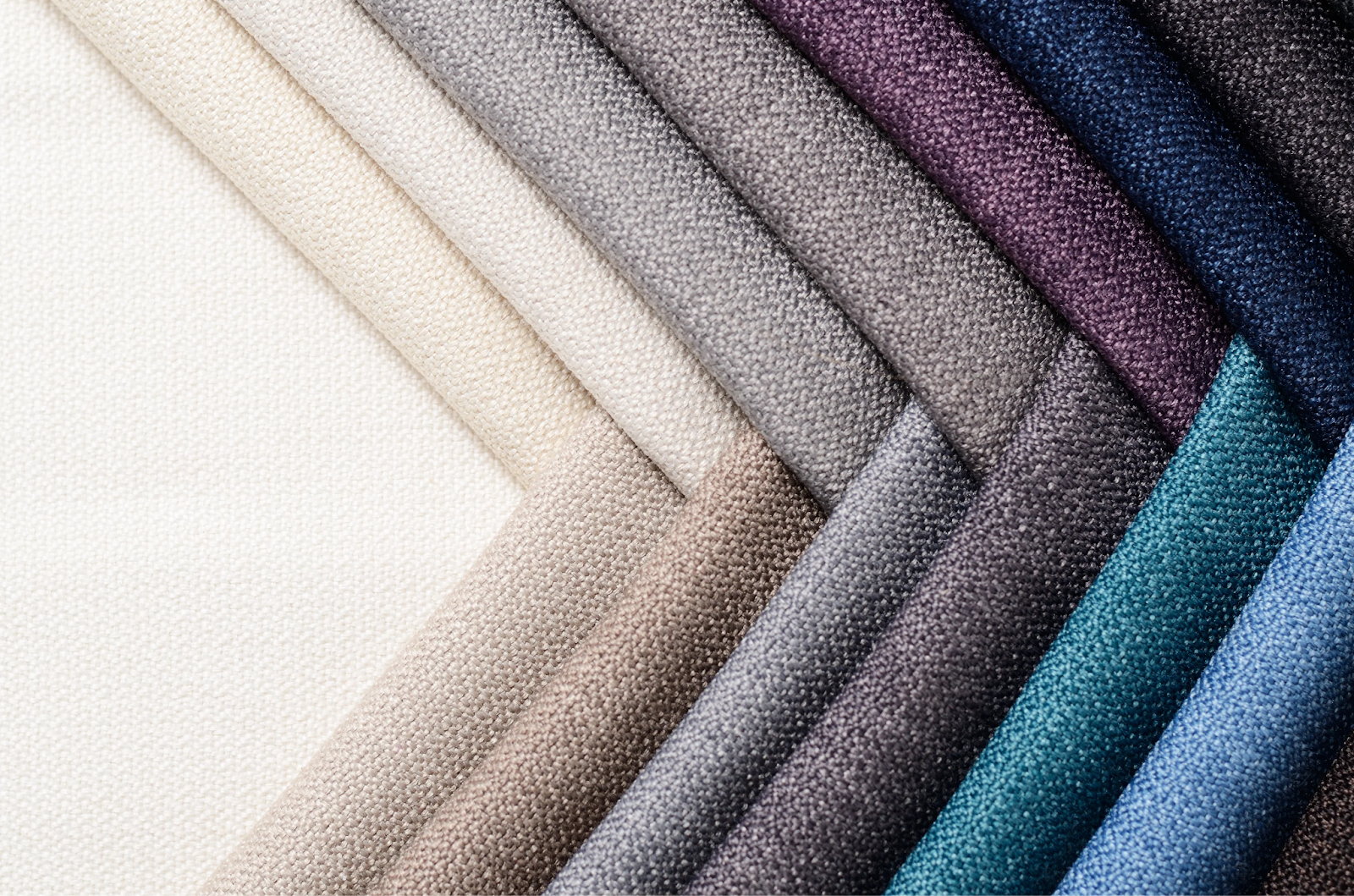
You choose clothes fabrics according to the comfort, style, and functionality. It is commonly used in daily wear, formal wear, activewear and outerwear. Cotton, polyester blends, silk, chiffon, organza, and linen fabrics are breathable, durable, and colorfast. The selection of the most appropriate fabric will make sure that you are comfortable, as well as seasonally and climate appropriate in your wardrobe.
Home Textile Fabrics
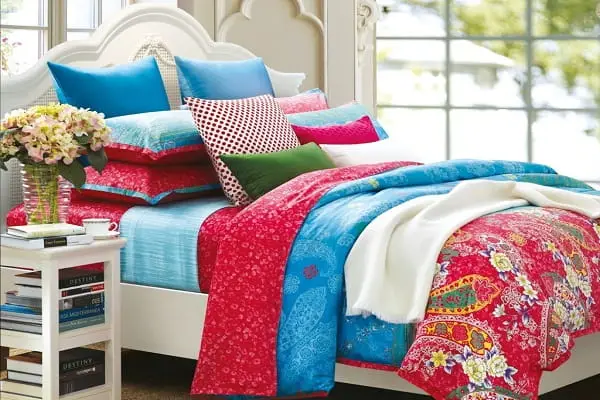
Home cloths need to be strong, long-lasting, and easy to maintain. You find these fabrics in beddings, curtains, upholstery, towels, and table clothes. It must have abrasion resistance, control of shrinkage, and durability of washing. Cotton, polyester, and microfiber blends that satisfy performance requirements are also in compliance with safety standards. Adequate selection increases comfort, beauty and durability.
Technical and Industrial Fabrics
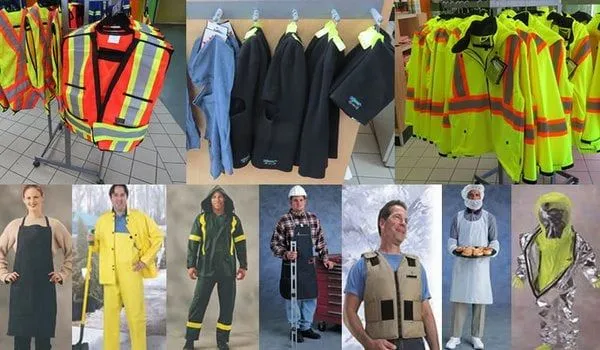
Industrial fabrics are concerned with safety and power. You see them in uniform, protective clothing, and filtration fabrics. These materials provide tensile strength, heat resistance and chemical durability. Technical certification guarantees safety at work and quality performance. Use of appropriate technical fabrics shields the people, increases life of equipment and upholds regulations in harsh industrial settings.
Medical and Healthcare Fabrics
Medical fabrics play an important role in hygiene and safety. You find them in dresses, laundry, bedding, and protective fabrics. They demand antimicrobial effects, fluid resistance and minimal linting. Healthcare safety standards help to maintain patient protection and control their infections. High-performance fabrics enhance the efficiency of the staff and provide a sterile and safe environment.
Hospitality and Commercial Fabrics
Aesthetics and durability of hospitality fabrics are balanced. You apply them in hotel linen, restaurant fabrics and commercial furniture. These fabrics should be able to resist stains, maintain color uniformity, and be able to withstand frequent washing. Compliance Fire safety is paramount. When the right textiles are used, visitors receive a better experience, the facility looks professional, and in business and hospitality environments, they also minimise the replacement costs.
Details to Confirm Before Bulk Fabric Purchase
Fabric Composition and Construction
You would want to check fiber content to guarantee durability, texture and performance. Knitted fabrics are stretchy and comfortable, whereas woven fabrics are stable. Knowledge of GSM (grams per square meter) is used to forecast the weight of the fabric, their drape, and their application suitability. Quality problems are avoided by proper composition knowledge and you are sure to pick the right fabrics that suit the product you need.
Dimensional Stability and Shrinkage Rate
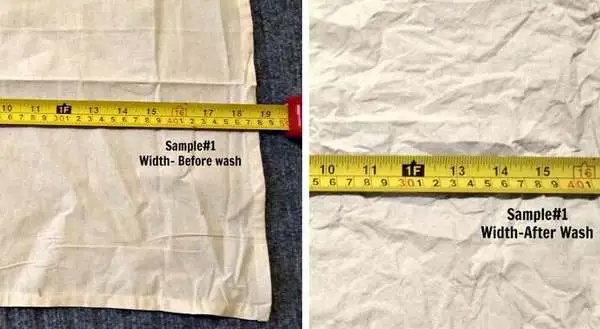
Shrinkage influences the quality and fit of the garments. Shrinkage that is acceptable depends on the use of fabric. The pre-shrunk fabrics eliminate post-production surprises whereas untreated fabrics need testing. Such techniques as relaxed length testing and standard washing are used by manufacturers. Knowing such tests can enable you to predict dimensional variations and ensure uniform sizing between batches to safeguard the integrity of the final product.
Fabric Width and Usable Width
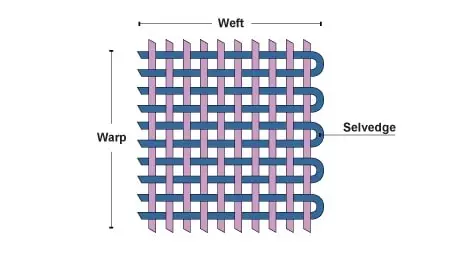
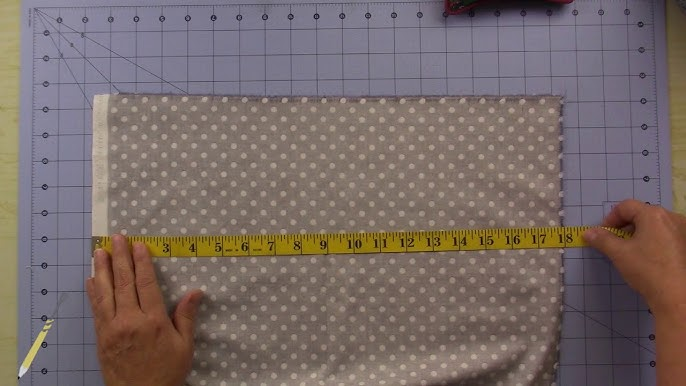
Fabric width will affect material efficiency and cost. Mass production uses standard widths, whereas custom widths can minimize wastage. Edge selvages tend to form unusable areas. The selection of the appropriate width will strike a balance between cost and cutting efficiency. The usable width is one of the issues that you should take into account to maximize the use of fabrics, minimize waste and manage the costs of production in the most effective way.
Cost Breakdown and Price Structure
The cost of fabrics is based on meter or yardage, type of fiber, weave and finishing. The costs may be augmented by hidden costs such as transportation, tariffs, and special treatments. Knowing the entire breakdown will enable you to plan your budget and prevent unexpected situations. It is easier to compare suppliers, and pricing is correct in relation to quality and specifications.
MOQ (Minimum Order Quantity)
Minimum order quantity varies depending on the fabric and supplier. Mid brands are able to negotiate to fulfill production requirements. MOQs can be sampled to test quality prior to bulk buying. Knowing these needs will assist you to plan procurement effectively, to control inventory and to minimize financial risk. You take control of the scale of production and cost management.
Color, Dyeing, and Colorfastness
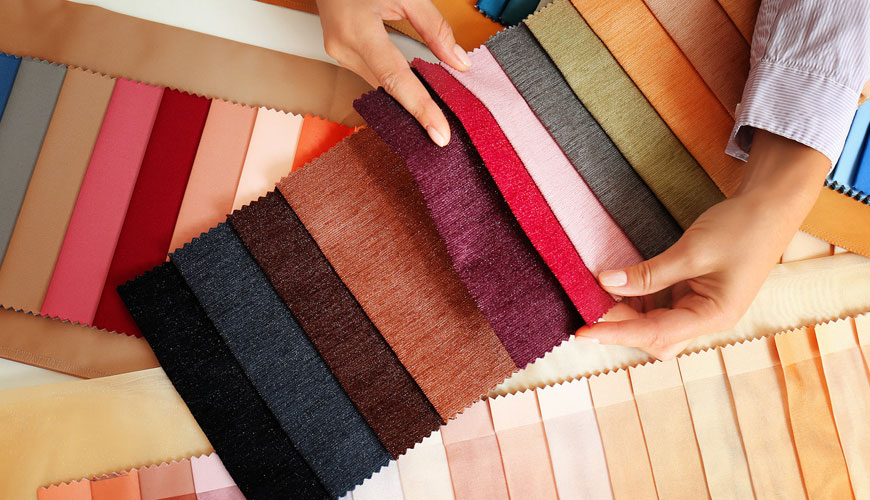
Before bulk dyeing, lab dips and strike-offs guarantee the color accuracy. Batch consistency prevents customer complaints. Durability is ensured by international colorfastness standards such as washing, light and rubbing tests. One way to ensure brand quality is through verification of results. Correct color testing also minimizes rework, reimbursements and product satisfaction to consumer expectations.
Standards of Quality Control and Inspection
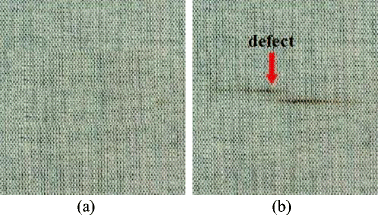
Internal inspections assist in the early detection of defects whereas external inspections assist in external confirmation. The four-point fabric inspection system reveals such common problems as holes, stains, and misweaves. You must go through every roll prior to approval. Strict inspection means the quality will remain the same, production will not be delayed, and your brand name will be safe.
How to Reduce Fabric Procurement Costs
Strategic Bulk Purchasing
Economic bulk buying takes the advantage of economies of scale to reduce the unit costs. On the basis of precise demand forecasts, you can plan orders to avoid stockouts. Proper planning will also prevent the overstock risks, which will cut down the costs of storage and wastage. Balancing between the volume and market demands, you can achieve greater efficiency in procurement, and your production process will be smoother.
Purchasing Fabrics through Direct Manufacturers
Direct sourcing of fabrics eliminates the middlemen such as traders or sourcing agents. You enjoy reduced prices, bargaining power and direct control over quality. Transparency in the production timelines and material specifications is gained through factory-direct sourcing. You will be able to have consistency in bulk orders and will have access to unique designs that is not available with the conventional trading channels or agents.
Sourcing Fabrics in China
China continues to be a cost-effective fabric center because of the scale, infrastructure, and access to raw materials. The quality standards have changed over the past 10 years. You benefit through well established supply chains, competitive prices, and swift production cycles. Chinese strategic sourcing will enable you to strike a balance between cost and quality in both large and small scale fabric sourcing.
Consolidation of Fabrics and Logistics Optimization
Shipping of fabrics is consolidated to lower the total expenses of shipping. The LCL vs FCL options are compared to calculate the most cost-effective solution. You will have to choose the best mode of freight, either air or sea, depending on time. Optimized logistics reduce the landed cost per unit and ensure timely delivery to customers and minimal damage during transportation and enhance the efficiency of the supply as a whole.
How to Procure Fabrics from China
Why Procure from China?
You might want to get them in China since they are the world leaders in the production of textiles. It has a well-developed supply chain ecosystem that guarantees consistent sourcing and delivery. You are able to make small, medium or large bulk orders with a consistent quality. Chinese producers adhere to the international standards of quality and safety, so you can be sure of each delivery. Such a combination of know-how, flexibility, and compliance makes China a good solution to your requirements of textile procurement.
Purchase Fabric Online from Trusted Suppliers (Contact SJZ Fabric)
SJZ Fabric is a manufacturing company with a 30-year history of manufacturing experience located in Shijiazhuang, China, a 390,000m2 factory, and 155 or more skilled craftsmen. It also manufactures 40 or more types of fabric, such as cotton, blends, synthetics, silk, linen, organza, and chiffon in apparel and domestic fabrics. The quality control is multi-level and guarantees durability, tensile strength, colorfastness, breathability, and international compliance. Buyers are provided with free samples to test texture, color accuracy, thickness, stretch, and abrasion resistance. Elastic transport (express, LCL/FCL, air, sea), three-year warranty, and reactive international after-sales support fits reliable bulk sourcing requirements.
Common Problems in Fabric Procurement and How to Avoid Them
Quality Difference between Sample and Bulk
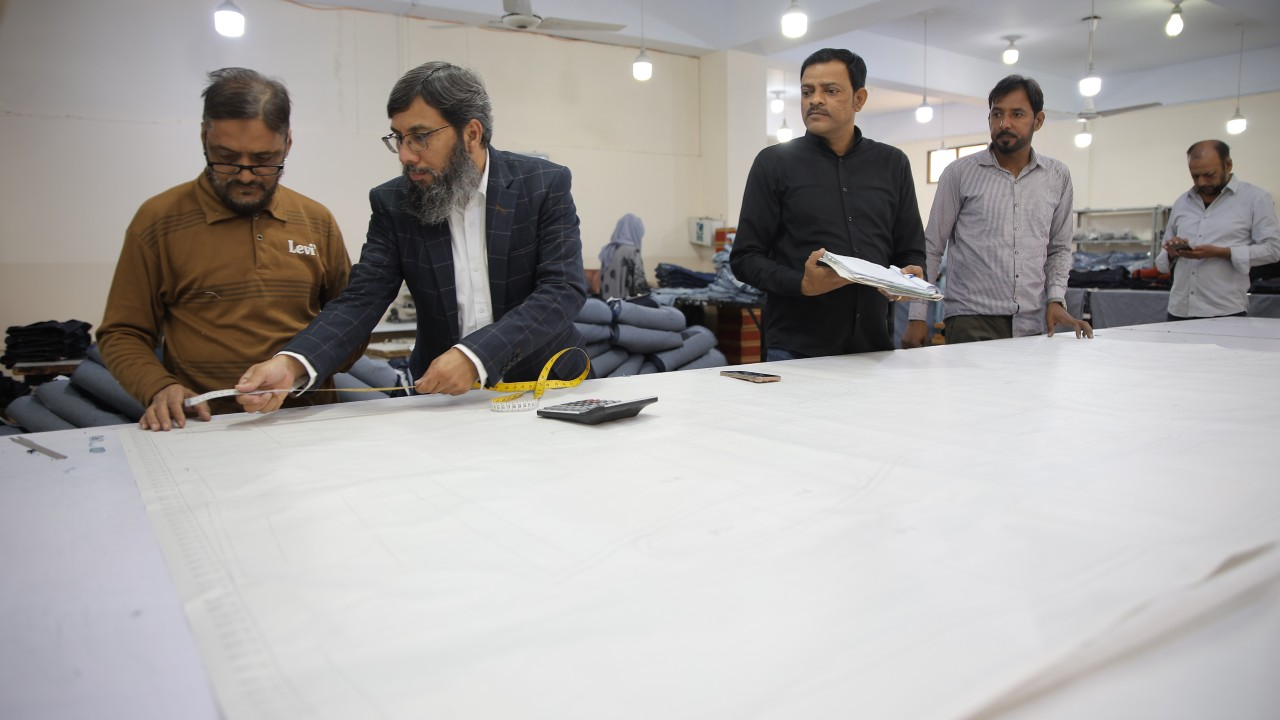
Quality discrepancy normally arises when large scale production is not aligned with approved samples. This can be avoided by defining clear quality standards in contracts. Carry out pre-production checks and provide defect remedy clauses. Frequent audits and communication with suppliers also minimize the chances of inconsistencies.
Color Inconsistency Issues
The differences in color are due to varying lots of dyes and batch processing. Before full production, you should request bulk approval samples. Use common color codes and send accurate shade standards to suppliers. Frequent inspections of the production process guarantee uniformity of all fabric lots supplied.
Fraudulent Specifications of Fabrics
Miscommunication can result in wrong fabric composition, wrong weight, and wrong texture. You ought to provide detailed technical manuals and specifications must be documented. Reestablish supplier compliance and approval. Unified documentation lowers mistakes and ensures that bulk orders are designed and operational as you desire them to be.
Late Shipment and Production
Delays in shipping and production destroy schedules and increase costs. You will plan lead times effectively and maintain buffer times. Control the order status regularly, communicate with the logistics, and prepare contingency plans to adjust the delivery schedule, thus avoiding the delays in the working process.
Compliance and Certification risks
Uncompliant materials are harmful to your brand and violate regulations. Prior to procurement you need to ensure certification and documentation. Conduct supplier audits and maintain safety and environmental standards. The right compliance audits assure your products, legal position and consumer trust.
Fabric Procurement Process Guide: From Sampling to Bulk Ordering
Requirement Assessment and Budget Planning
You start out by defining fabric requirements in application, end-use and quality criteria. Consider the materials, weight, and quality. Meanwhile set a realistic target cost relative to your budget. Planning reduces wastage of time and unnecessary expenses incurred during procurement.
Supplier Shortlisting and Evaluation
Browse the potential suppliers using credibility, certification and previous client reviews. Evaluate their production capacity, experience and timeliness. Before you launch any production or sample requests, you make sure that the supplier is able to fulfill your expectations in terms of quality and quantity.
Sample Request and Evaluation
Ask to test fabric samples to confirm the quality, color fidelity and feel. Internal tests, including wash, wear and performance check. You test a sample carefully until you are satisfied that it is up to your standard and then proceed to bulk order.
Contract Finalization and Price Negotiation
Bargain prices, shipment dates, and terms of payments. Risk and responsibility. Confirm Incorporated. You make contracts with explicit terms regarding quality, penalties and dispute settlement because you need an easy transaction and reduced financial or logistical risks.
Massive Production and Quality Control
There should be in-process checks during bulk production to identify defects early in the production. Pre-shipment quality check schedule. You also observe production with keen eyes so that fabrics can be produced according to specifications so that rejections and quality problems can arise after shipment at a high cost.
Shipment, delivery and inspection
Select delivery and coordinate freight and track shipments. Carry out final inspections once received to check compliance. You assess the performance of the suppliers, observing punctuality, quality and service. Feedback guarantees better relationship and more easily bought orders in future.
List of China’s Top Fabric Manufacturers (2026)
In 2026, China is still the biggest textile production centre in the world with vertical manufacturing facilities, huge capacity, high quality assurance, and robust export networks in apparel and home products, industrial fabrics, and technical textiles.
Criteria Used to Rank Manufacturers
There are some important factors to be considered when ranking manufacturers. The most important thing is experience: those companies that have years of existence prove to be reliable and experienced in the industry. The range of products indicates versatility, which indicates whether they provide a variety of fabrics to different end-uses. Export capability means that they can scale, handle logistics and serve the international markets effectively. Quality management is used to maintain uniformity in standards, which is supported by certification and stringent testing. An assessment of these factors assists you in selecting manufacturers that produce quality and reliable products on a regular basis.
| Manufacturer | Founded | Core Fabrics | Key Strengths | Best For |
| SJZ Fabric | 1992 | Cotton, blends, polyester, linen, flannel | Large factory (390,000 m²), 40+ fabrics, strong QC, global exports | Apparel & home textiles, reliable bulk sourcing |
| Shaoxing Keqiao Liufang | 2008 | Rayon, viscose, cotton blends, crepe | Trend-focused, dyed & printed fabrics, fast delivery | Fashion brands needing quick turnaround |
| Jiangsu Sunshine Group | 1986 | Wool worsted, suiting fabrics | ISO & OEKO-TEX certified, large-scale wool expertise | Premium suits & uniforms |
| Weiqiao Textile | 1998 | Cotton yarn, denim, grey fabric | World’s largest cotton producer, vertical integration | Large-volume cotton sourcing |
| Huafu Fashion | 1993 | Mélange yarn, dyed yarn | Eco-friendly dyeing, sustainability leadership | Brands prioritizing sustainable textiles |
| Luthai Textile | 1987 | Yarn-dyed shirt fabrics | Full vertical integration, export expertise | High-end shirt manufacturing |
| Zhejiang Xinao Textiles | 2003 | Merino wool, wool yarn | RWS & GRS certified, strong R&D | Luxury and sustainable wool products |
| Shaoxing Yongtong | 2010 | Chiffon, lace, mesh, polyester | Lightweight fashion focus, fast production | Women’s and trend-driven fashion |
| Jiangyin Jinfeng Textile | 2002 | Twill, canvas, denim, corduroy | High tensile strength, custom finishing | Industrial and heavy-duty fabrics |
| Shaoxing Tiansheng Textile | 2009 | Knitted jersey, rib, fleece | Low MOQs, fast sampling | Startups and small fashion brands |
Conclusion
The purchase of fabrics in 2026 will require proper planning and decision making and partnership with suppliers. Knowledge of fabric needs, testing of quality and certifications guarantees consistency in performance across all apparel, home, industrial, medical and hospitality applications. Adhering to best practices (if it is sampling and testing to bulk ordering and optimization of logistics) allows you to minimize costs, uphold quality, and achieve production schedules. Establishing good relations with reputable suppliers will fill the gap between price, quality, and range and will enable you to obtain fabrics in an efficient way and succeed in long-term procurement on the international market.