
Fabric used in sportswear is important in athletic performance, comfort and protection. The selection of fabric has an influence on moisture management, breathability, thermal regulation, stretch, durability, and skin compatibility. This novice guide covers natural, synthetic, and hi-tech fabrics, their working qualities, finishing technologies, and sport-specific applications. Discover how new technologies, fibers, and sustainability influence the sportswear industry today and know how athletes and brands can make informed fabric decisions to achieve better results.
What is a Sportswear Fabric?
Sportswear fabric refers to a textile which is used in athletic and active apparel and it is a mixture of comfort, flexibility, and performance. The fabrics are frequently a combination of natural materials including cotton and synthetic materials such as polyester, nylon, or elastane to bring in stretch, moisture control, and even durability. The selection of the correct fabric is core to the performance in sports as it influences breathability, wicking sweat, heat management, and maneuverability. It ultimately makes you feel relaxed and can do your best in sports.
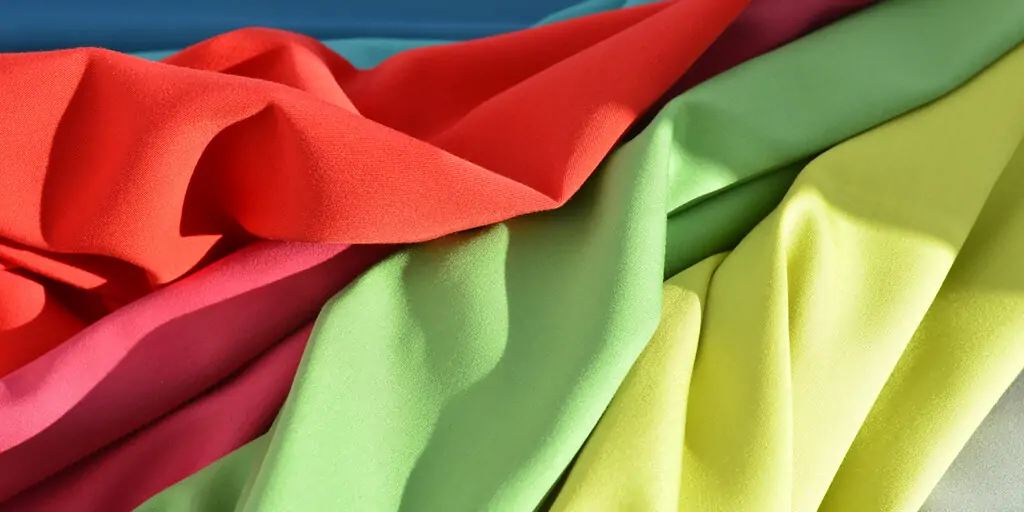
Key Functional Requirements of Sportswear Fabric
Moisture Management and Sweat Transport
Moisture wicking works efficiently to remove moisture off your skin and keep you dryer in the process. The fabric has capillary action that provides constant transport of sweats and comfort. The quick evaporation does not overheat the device and you can concentrate on performance without being distracted.
Thermal Regulation and Heat Control
Fabrics regulate between heat gain and heat dissipation based on different levels of activity. Phase change materials maintain temperature, and you feel comfortable even in extreme conditions. The insulation helps to keep the cold out and to keep the heat out, keeping you at the best body temperature.
Breathability and Air Permeability
Clothes that allow air to penetrate your clothes are better at keeping your skin cooler and they are less likely to hold sweat. Knit patterns and mesh areas allow the air to pass through and keep you cool during exercise. The breathability facilitates comfort and performance enabling you to remain more energized.
Stretch, Recovery, and Freedom of Movement
Elastic fabrics do not limit or deform when they stretch with your movements. Correct recovery ensures stability of shape even after use. Flexible materials enable freedom of movement, and enable you to move in a natural and comfortable way.
Durability and Mechanical Strength
High-performance fabrics are abrasion resistant, tear-resistant, and stress resistant with time. They are well-built and can be washed and used regularly. Strong materials can guarantee long-term usability, and you can always rely on your sportswear.
Protection from External Elements
Sportswear protects against exposure to UV rays, wind and water during activity. Coatings and structure of fabrics are less harmful to the environment on your skin. Defensive capabilities ensure comfort and performance, keeping you safe on the road.
Comfort and Skin Compatibility
Soft surfaces are non-abrasive to prevent chafing and irritation. Anti-static prevents friction and supports the skin comfort. Fabrics that have a nice hand feel are also more wearable in general, and you can concentrate on performance instead of the uncomfortable feeling.
Classification of Sportswear Fabric Types
Natural Sportswear Fabrics
Cotton in Sportswear
Cotton is a non-slippery soft breathable fiber that provides comfort when exercising. It enables air to pass through and cools your skin during moderate exercise. The ability to control odor is natural, whereas moisture retention and slow drying can be a limiting factor. Modern cotton blends can be selected to enhance wicking, stretch and durability of active sportswear.
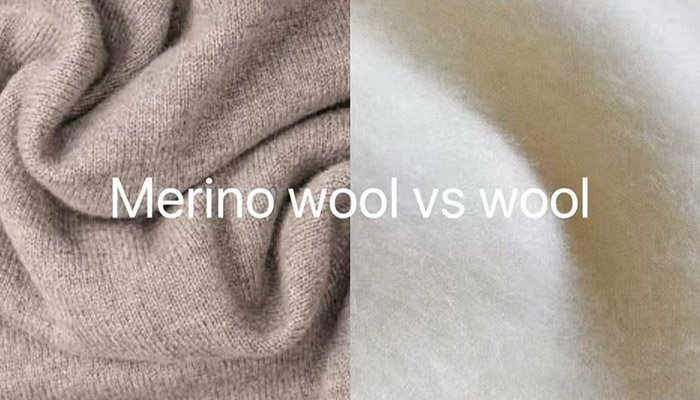
Calico Fabric
Calico is pure raw cotton that is used due to its absorbency and wearability. It provides a low priced, environmentally friendly alternative to casual or practice sportswear. The natural texture restricts the aesthetics and smoothness in contrast to refined fabrics. Calico can be trusted to provide lightweight training or sustainable apparel without compromising the functionality.
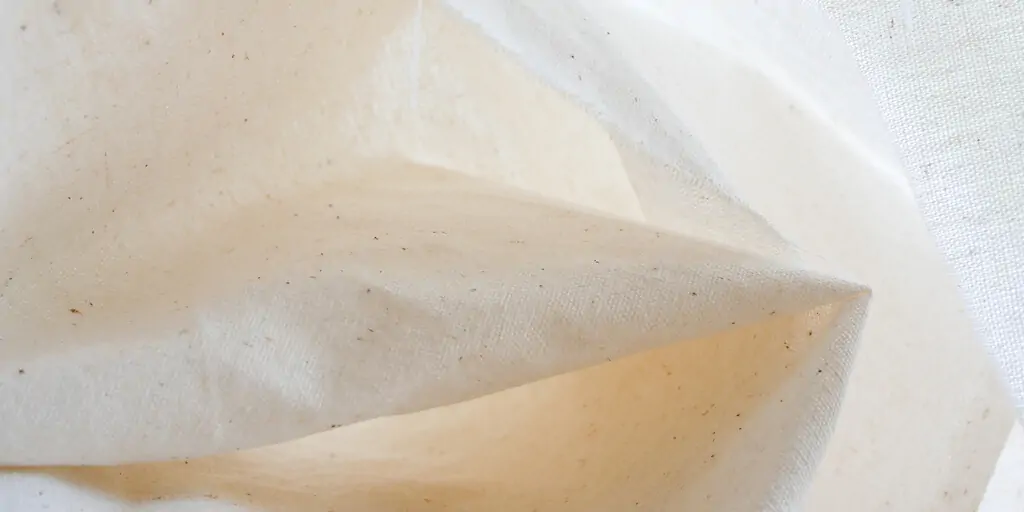
Wool and Merino Wool
Wool, Merino in particular, offers natural thermoregulation and buffering of moisture. It keeps you dry and keeps you warm even in cold. Odor resistant properties enable longer time of wear during endurance activities. In cold weather, you can count on wool in sports, hiking, and running and enjoy the comfort and the adaptive insulation.
Silk (Limited Sports Applications)
Silk is light and smooth and is commonly applied in the niche sportswear. It has a texture that makes it less frictional and gives it luxurious feeling against the skin. The lack of moisture control and expensive nature inhibits widespread use. Silk may be worn in a layering or recovery garment to be comfortable during low-intensity or specialized activities.
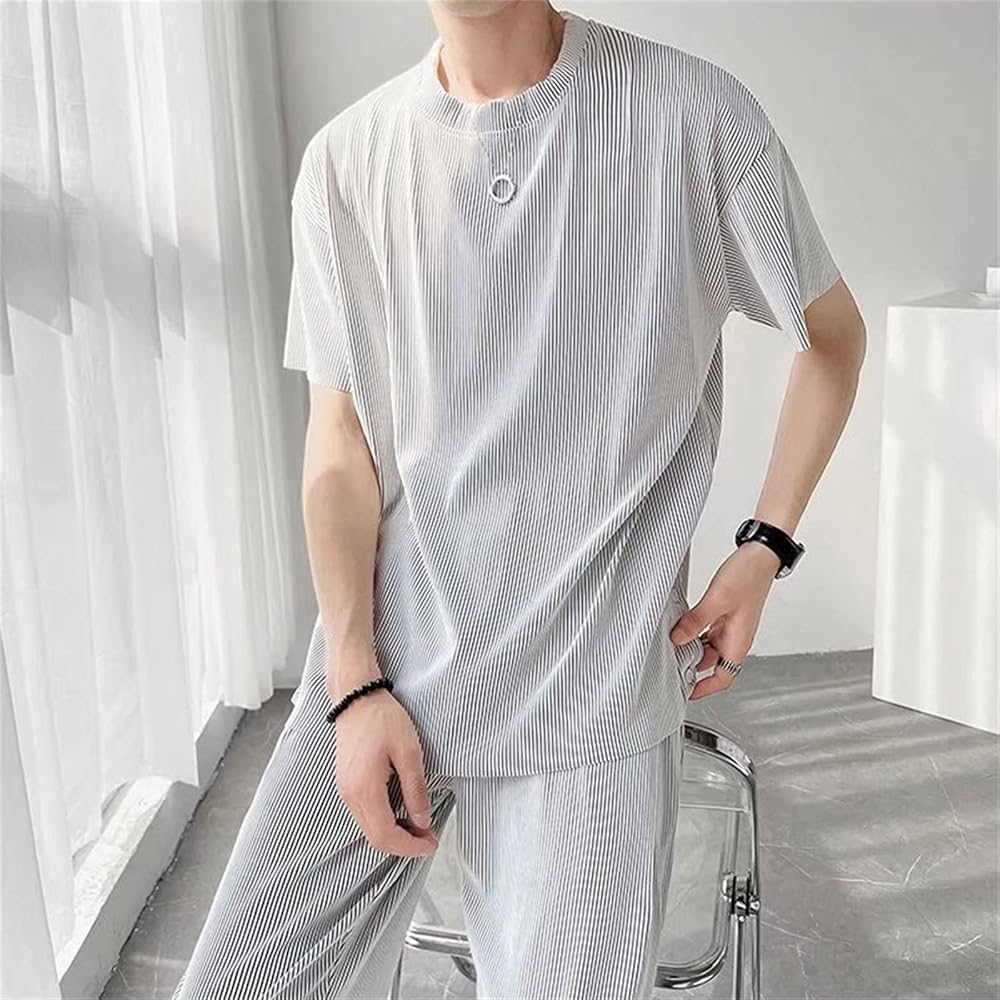
Synthetic Sportswear Fabrics
Polyester Sportswear Fabric
Polyester is a man-made fiber produced by polymer resins having powerful and robust filamentary frameworks. Its manufacture guarantees regular moisture-wicking and thermal regulation. You also enjoy the protection of abrasion and insulation on the move. It is popular due to cost efficiency and large scale production. Polyester recycling has also been used to promote eco-friendly sportswear.
Nylon Sportswear Fabric
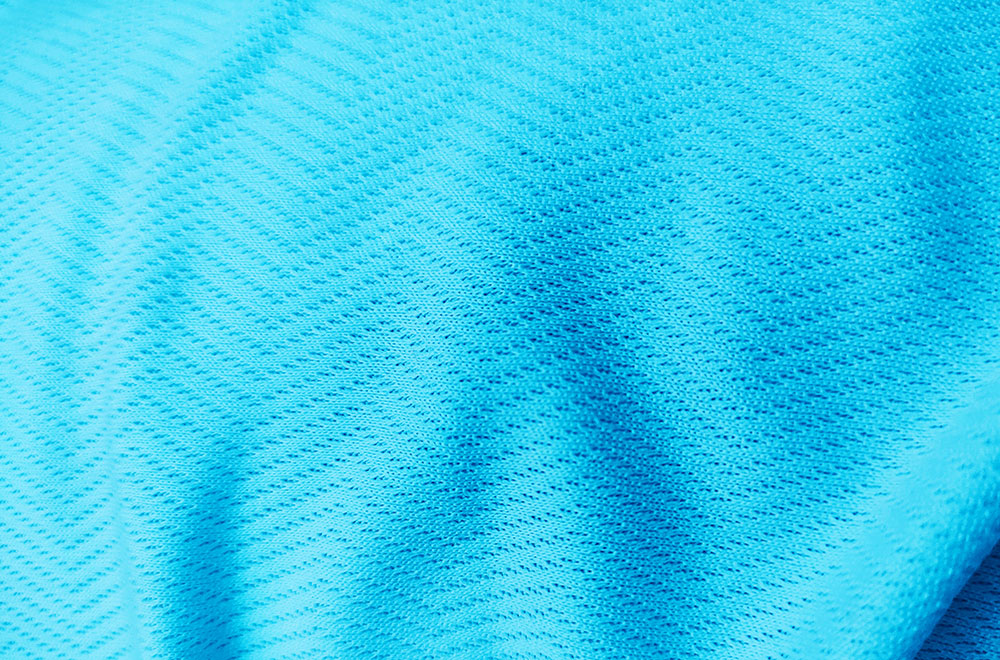
Nylon fibers are light and strong and provide high strength-weight ratio of active wear. Fast drying and resistance to mildew enhances comfort and hygiene. You obtain fantastic stretch-back and softness, suitable in compression wear and outerwear. It is a favorite product due to its durability and flexibility in performance-oriented sportswear.
Spandex Sportswear Fabric
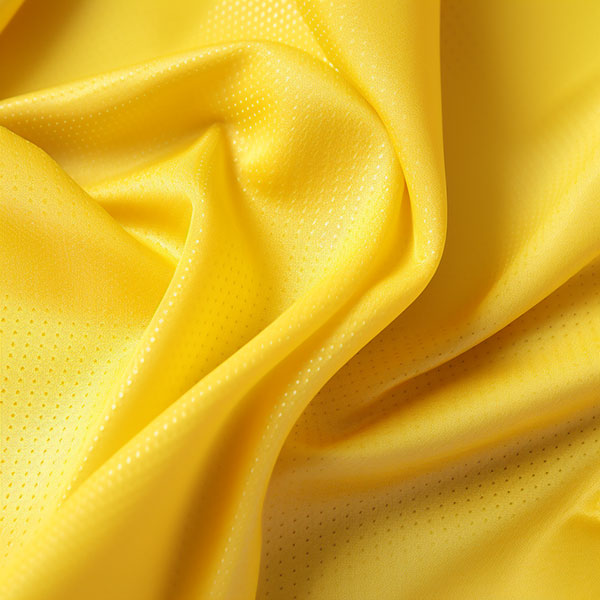
Spandex is made of polyurethane fibers which provide superior stretch and elasticity. You feel free to move and comfortable in the hard exertion. The combination of spandex and other fibers makes the garments more stable and maintain their shape. Nonetheless, embroidery and complex design must be considered with a lot of caution because of its high stretch and deformation under tension.
Polypropylene and Acrylic Fibers
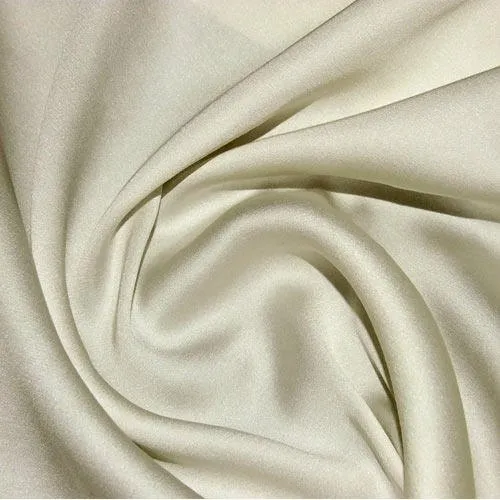
Polypropylene and acrylic are light fibers, which have excellent thermal insulation. Waterproofing prevents wetness or dampness. You have the advantage of their appropriateness in certain sports and climate use such as winter clothes, or summer clothes. Their lightness and quick-drying features improve performance and the general comfort.
Modified and High-Performance Synthetic Fibers
Microfiber Fabrics
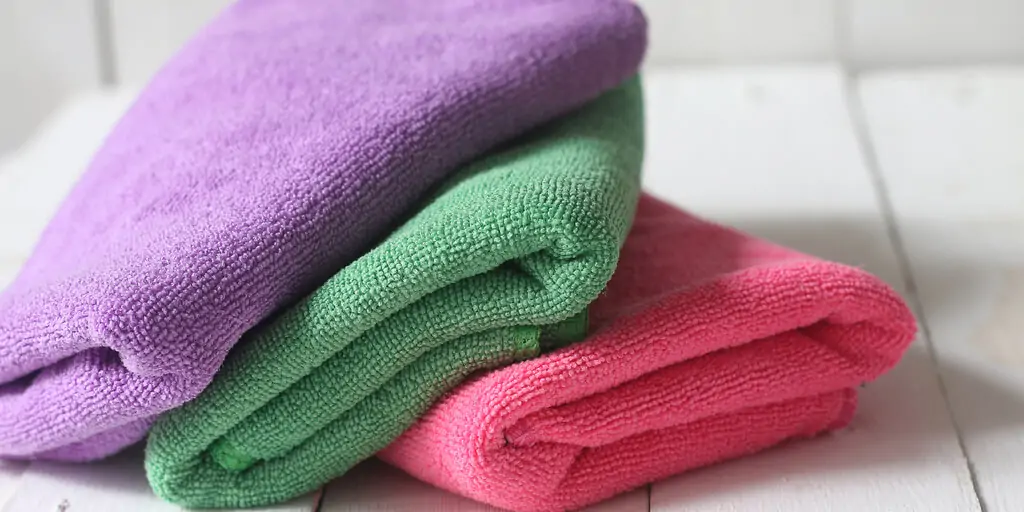
Microfiber fabrics are made of extremely fine synthetic fibers that are very soft and highly absorbent. They are resistant to both wind and water and thus are perfect in high-end sportswear. The fabrics are luxurious and functional, which means that you enjoy a better feel and performance, be it training or outdoor.
Carbon Fiber and Advanced Composite Fibers
Carbon and high-tech composite fibers are used to reinforce the structure of sports equipment. They are short of wearable clothes, but provide unparalleled wearable strength and weightlessness in protective clothing. You get better life and safety in high impact events, particularly with the helmets, padding and special sporting parts.
Aramid Fibers
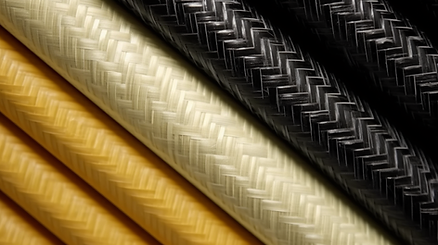
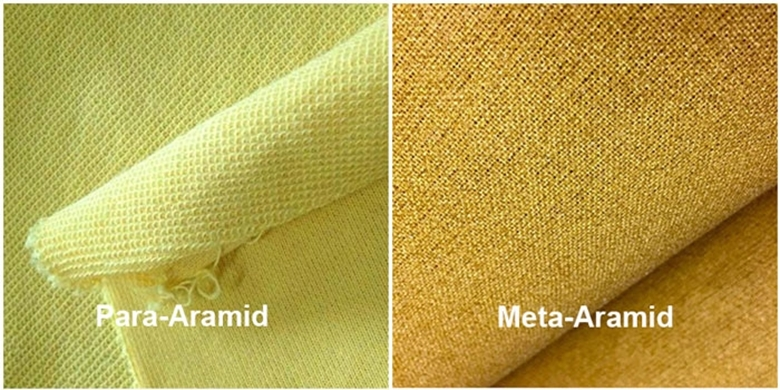
Kevlar® and Nomex are aramid fibers that are strong and heat resistant. They are excellent in protective and impact-resistant sportswear. These fibers will help you avoid injuries and increase the resistance in extreme circumstances, which will give you a good protection on the field of contact sports or in the very dangerous situation.
Phase Change Material (PCM) Fabrics
PCM fabrics have temperature sensitive fabrics that absorb or lose heat to regulate body temperature. In physical exertion, you feel dynamically chilled or warmed. These are the fabrics that are suited to extreme conditions, and they can help to maintain the endurance and comfort of outdoor sports or high-performance training situations.
| Fabric Type | Category | Key Performance Properties | Moisture Regain (%) | Drying Speed | Strength / Durability | Thermal Performance | Typical Sports Applications |
| Cotton | Natural | Breathable, soft, comfortable, odor-absorbing | 7–8.5% | Slow (2–4x slower than polyester) | Moderate abrasion resistance | Poor insulation when wet | Yoga, casual training, low-intensity workouts |
| Cotton Blends | Natural + Synthetic | Improved moisture control, better stretch retention | 4–6% | Medium | Higher durability than pure cotton | Balanced thermal comfort | Gym wear, lifestyle sports apparel |
| Calico Fabric | Natural | Unprocessed cotton, high absorbency, low chemical treatment | 7–9% | Slow | Low tensile strength | Low insulation | Training uniforms, eco-focused apparel |
| Wool | Natural | Thermoregulation, odor resistance, moisture buffering | 14–18% | Medium | Moderate durability | Excellent insulation even when damp | Hiking, winter sports |
| Merino Wool | Natural | Fine fibers, temperature control, lightweight insulation | 13–17% | Medium-fast | Higher strength than traditional wool | Stable heat regulation | Endurance sports, base layers |
| Silk | Natural | Lightweight, smooth texture, low friction | 10–11% | Medium | Low abrasion resistance | Limited thermal insulation | Specialty inner layers |
| Polyester | Synthetic | Moisture wicking, durable, wrinkle resistant | 0.4% | Fast (30–60% faster than cotton) | High abrasion resistance | Moderate insulation | Running, football, training apparel |
| Recycled Polyester (rPET) | Synthetic (Sustainable) | Same performance as virgin polyester | 0.4% | Fast | High | Moderate insulation | Performance jerseys, activewear |
| Nylon (Polyamide) | Synthetic | High strength-to-weight ratio, smooth surface | 4–4.5% | Very fast | Extremely high tensile strength | Moderate insulation | Compression wear, cycling shorts |
| Spandex (Elastane) | Synthetic | Exceptional elasticity, shape recovery | <1% | Fast | Moderate durability | Minimal insulation | Compression wear, stretch panels |
| Polypropylene | Synthetic | Lightweight, hydrophobic, thermal efficient | 0% | Extremely fast | Moderate durability | Excellent heat retention | Cold-weather base layers |
| Acrylic | Synthetic | Wool-like warmth, lightweight | 1–2% | Fast | Moderate | High insulation | Winter sportswear |
| Microfiber Fabrics | Modified Synthetic | Ultra-fine fibers, soft touch, wind resistance | <1% | Very fast | High | Enhanced thermal trapping | Premium performance gear |
| Carbon Fiber Composites | Advanced Composite | Structural rigidity, impact reinforcement | 0% | N/A | Extremely high tensile strength | Low thermal comfort | Protective sports equipment |
| Aramid Fibers | High-Performance Synthetic | Heat resistance, impact protection | <1% | Fast | 5x stronger than steel (weight basis) | Flame-resistant | Motorsports, protective sports gear |
| PCM Integrated Fabrics | Smart Textile | Temperature regulation via phase change | Variable | Medium | Depends on base fabric | Active cooling/heating (±2–5°C control) | Extreme climate sportswear |
Blended and Stretchy Sportswear Fabric
Fabric sportswear is blended and stretchy to combine fibers to improve performance, comfort, and durability. You enjoy the advantage of hybrid constructions that offer a combination of breathability, water management, and toughness. Elastic materials such as spandex or elastane give flexibility and fast recuperation, which gives freedom of movement during exercises. The most popular combinations are polyester-spandex, nylon-elastane, and cotton-polyester, which have their own benefits. When you select the correct combination, you guarantee the best fit, shape retention, and long wear in activewear.
Sportswear Mesh Fabric and Specialized Fabric Structures
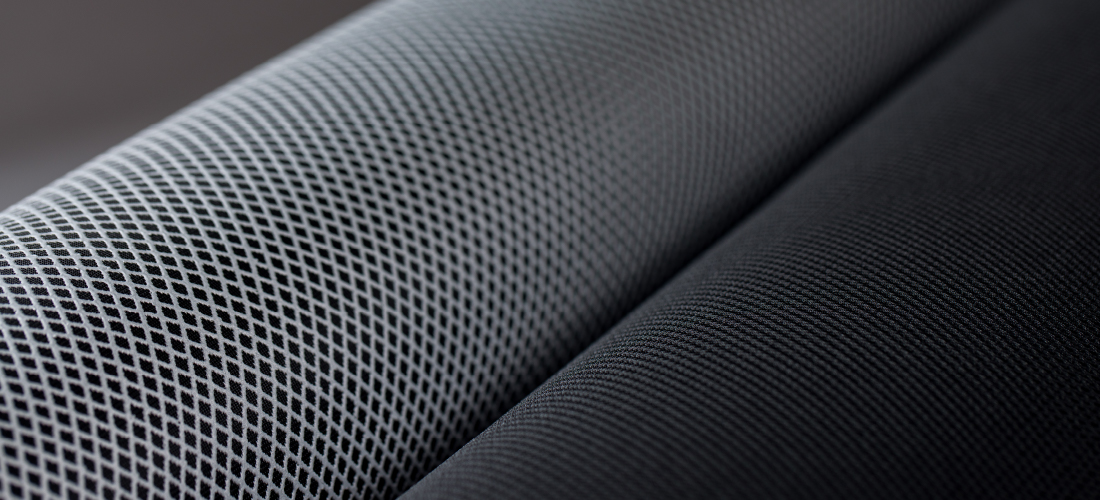
- Sportswear Mesh Fabric: Mesh fabrics are used to improve ventilation since air can move through the layers of the garments. Placement in strategic locations enhances the breathability of hot areas. It works well under arms, back or side panels and assists the evaporation of sweat that keeps you cooler during a strenuous workout.
- Tricot Knit Fabrics: Tricot knits are used to give structural support and a soft smooth finish to athletic garments. The cloth is wrinkle-resistant and falls easily. It is ideal to wear with leggings, jackets and sportswear items as it is comfortable, flexible, and durable to train or wear casually.
- Fleece Fabrics: Fleece is a thermal insulator that is lightweight and traps heat without adding bulk. Moisture is easily released through breathable fibers. Fleece is perfect to wear under jackets or on their own as sweatshirts, as they are a regular source of warmth in cold weather exercises or outdoor activities.
- Quilted and Layered Fabrics: Quilted materials prevent cold by isolating insulating air cavities. Several layers prevent wind and provide flexibility. They are great in jackets, vests, and winter sports attire, and they are not limiting to movement.
- Softshell and Laminated Fabrics: Soffshell fabrics balance between water repellency and breathability. Layers are laminated, to keep the rain out, and the air flowing through, to keep you cool. They are also suitable in sports outdoor or casual wearing due to their stretch, durability, and lightweight flexibility.
Fabric Finishing Technologies in Sportswear
- Anti-microbial treatments: These finishes help in deterring the growth of bacteria on sportswear fibers, which causes skin irritation and the degradation of the fabric. You are fresher when doing vigorous exercises and clothes are hygienic after use.
- UV-protective coatings: Such finishes protect fabrics against destructive ultraviolet rays, which damage the materials and fade colors. You have safer outdoor activities, and clothes can maintain their strength, shape, and protection capabilities when they are exposed to the sun.
- Waterproof and water-repellent finishes: Special finishes are used to protect fabrics against rain or sweat by repelling water and moisture. You are not bothered by wet weather, and clothes are flexible, breathable and maintain the same performance without getting heavy or stiff after use.
- Anti-odor and anti-static finishes: These treatments decrease the bacteria and accumulation of static electricity in fabrics that cause odor. You have a much greater sense of freshness, greater comfort and less cling, and sporting clothes are clean and comfortable to wear during strenuous exercise.
- Improvements in color fastness and wear resistance: The next level of finishing methods reinforces fibers and fixes dyes to prevent fading. You enjoy the fruits of clothes that retain their bright color, texture, and construction, despite repeated washing, ironing, or sunlight and rough conditions.
Sportswear Fabric Selection by Sport Category
Endurance Sports (Running, Cycling, Triathlon)
Polyester mixes dry and wick sweat. Breathable mesh improves air circulation, keeping you cool. Stretchable and lightweight fabrics will minimize fatigue and free movements. UV protection helps to protect the skin during outdoor training. These materials make you feel good through the extended endurance.
Team Sports (Football, Basketball, Baseball)
Combination of nylon-spandex and bamboo offers soft stretch and complete flexibility. Moisture-wicking fabrics are breathable to eliminate discomfort with sweat. Compression layers help muscles and anti-slip surfaces enhance grip. Light materials enable full movement and make you feel at ease.
Strength and Flexibility Sports (Yoga, Gym, Martial Arts)
Nylon-spandex and bamboo blends provide soft stretch and full flexibility. Breathable, moisture-wicking fabrics prevent sweat discomfort. Compression layers support muscles, while anti-slip surfaces improve grip. Lightweight fabrics allow full motion while keeping you comfortable.
Water Sports (Swimming, Surfing, Diving)
Polyester blends with neoprene and lycra reduce drag. Snug-fitting, stretchy materials are quick-drying and do not inhibit movement. Outdoor skin protection coatings come in UV-protective. Seams resist saltwater. Thermal insulation makes you warm in cold water.
Winter and Outdoor Sports (Skiing, Hiking, Ice Hockey)
Fleece and softshell layers are also insulated and breathable. Snow and rainproof fabrics are wind proof and water resistant. Stretchable panels are mobile. Light layering helps to keep muscles warm. Strong fabrics are not easily abraded.
Motorsport and High-Risk Sports
Nomex, Kevlar, and reinforced synthetics are fire, heat, and abrasion-resistant. Breathable panels minimize heating. Elastic fabrics are flexible. Sweat is controlled by moisture-wicking surfaces and reinforced stitching enhances the durability.
Sustainability and Environmental Impact of Sportswear Fabrics
Sportswear fabrics sustainability is a balance between performance and environmental responsibility. Organic cotton and bamboo are renewable fibers that decrease the use of finite resources, whereas non-renewable synthetics usually require high-energy and chemical usage. You can recycle polyester and nylon using recycling technologies and reduce waste and emissions. You ought to think of the environmental issues of synthetic manufacturing, such as microplastics and pollution. The development of environmentally friendly materials is likely to bring sportswear that is effective without jeopardizing the future of the planet.
Sportswear Fabric Suppliers and Market Dynamics
Suppliers of sportswear fabrics are reliable to maintain uniform quality, delivery in time, and meet the industry standards. When choosing suppliers, you have to think of material performance, sustainability and sourcing reliability. The compromise between cost and functionality is essential, and developing a custom fabric enables brands to be distinctive. Selecting an appropriate partner has a direct effect on the quality of products and competitiveness in the market.
Best Sportswear Fabric Manufacturer You Can Trust
SJZ Fabric is a reputable sportswear fabric manufacturer, which was established in 1992 in Shijiazhuang, China, and has more than 30 years of industry experience, with a production line of more than 40 fabric types, such as cotton, synthetic blends, silk, linen, organza, and chiffon. With a 390,000 m 2 plant and over 155 qualified employees, the company delivers trusted bulk orders to its customers in over 35 countries. SJZ Fabric guarantees high tensile strength, outstanding colorfastness, high breathability, and international safety standards through advanced manufacturing technology and rigorous multi-level quality control, as well as providing free samples, flexible shipping across the globe, a three-year warranty, and responsive after-sales services to provide the same value to sportswear brands around the globe.
Conclusion
Finally, the selection of the appropriate sportswear fabric is critical towards comfort, performance, and durability. The correct fabric types and the characteristics of the sport and the environment will guarantee the maximum moisture regulation, breathability, stretch, and protection. The development of fibers, blends and sustainable materials innovations is still advancing athletic wear. Knowing the properties of fabrics, finishes, and the capabilities of suppliers, you can make the right decision and contribute to the performance and the reliability in the long run, enabling athletes and brands to perform and remain environmentally friendly.