
Choosing a fabric supplier is one of the most consequential decisions in building a reliable apparel supply chain, yet many buyers still default to selecting based on the lowest quoted price rather than a structured evaluation process. Choosing a fabric supplier means systematically comparing production capability, quality consistency, minimum order quantities, lead times, and communication reliability across candidate suppliers before committing production volume to any single partner.
A poor supplier match can result in inconsistent fabric quality, missed production deadlines, and costly rework, while a well-matched supplier relationship can become a long-term competitive advantage. This guide walks through the specific criteria buyers should evaluate, the questions to ask before placing an order, and the red flags that typically signal a higher-risk supplier relationship.
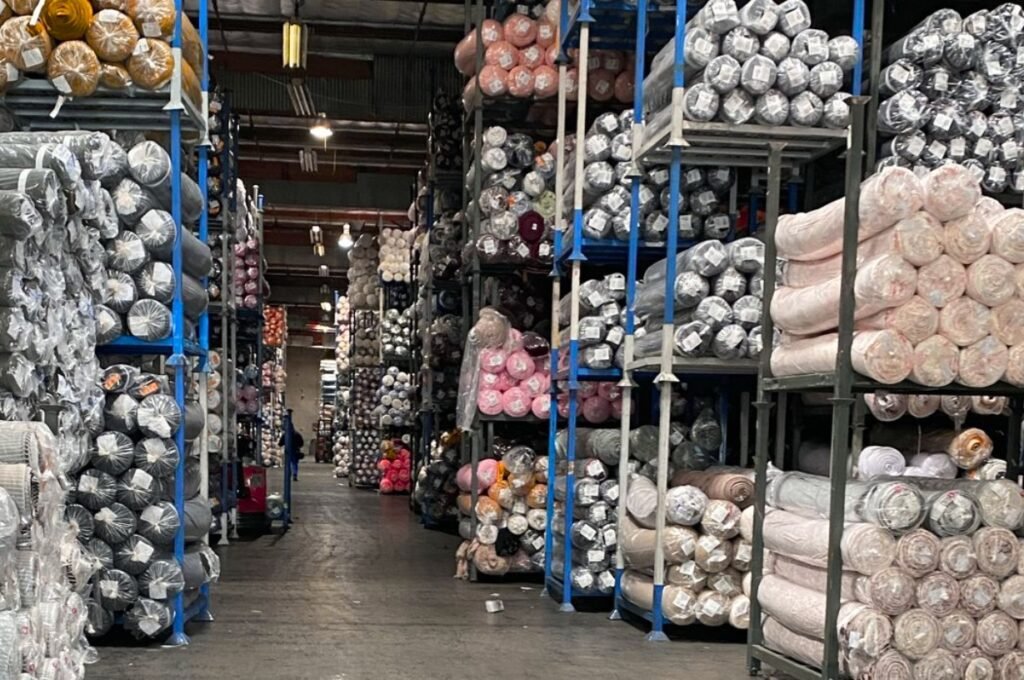
Why Supplier Selection Deserves a Structured Process
Many fabric sourcing mistakes originate not from bad luck, but from skipping evaluation steps under time or budget pressure. A supplier that looks identical to competitors on a price sheet can differ significantly in actual production capability, quality control discipline, and reliability under real order volume. Because fabric quality issues are often difficult to detect from a small sample alone, buyers benefit from a repeatable, criteria-based evaluation process rather than an intuitive or purely price-driven decision.
A structured process also creates a paper trail — documented specifications, sample approvals, and inspection reports — that becomes valuable if quality disputes arise later in the relationship. Suppliers who resist this level of documentation early on are often signaling how they will handle problems once a larger order is already in production.
This matters even more in international sourcing relationships, where language differences, time zone gaps, and limited in-person visibility into a factory floor all increase the chance that assumptions go unverified. A buyer working with a domestic supplier can often resolve ambiguity with a same-day phone call or site visit; a buyer sourcing overseas typically cannot, which is precisely why the evaluation and documentation steps described in this guide carry more weight the further a supplier is from the buyer’s home base.
Key Criteria For Evaluating A Fabric Supplier
Production Capability and Specialization Not every fabric supplier is equally capable across every fiber type, weave, or knit structure. Buyers should confirm that a supplier has direct, demonstrated experience with the specific fabric category they need, rather than assuming general textile production experience translates to a specific and unfamiliar fabric type.
Minimum Order Quantity and Pricing Structure MOQ requirements vary widely between mills, wholesalers, and trading companies, and should be clarified early to avoid wasted time evaluating a supplier whose minimums do not match a buyer’s order volume. Pricing structure should also be reviewed carefully, including whether quoted prices include finishing, testing, and packaging, or whether these are billed separately.
Quality Certifications Certifications such as OEKO-TEX indicate a supplier’s compliance with recognized safety and environmental testing standards, and can serve as a useful, though not sole, indicator of quality discipline. Buyers should request to see current certification documents directly rather than relying on certification claims listed on a website or catalog alone.
Sample and Trial Order Process A supplier’s handling of the sample stage often previews how they will handle bulk production. Buyers should evaluate sample turnaround time, accuracy against the requested specification, and willingness to make revisions before moving to a trial order.
Communication Reliability Consistent, responsive communication throughout the quoting and sampling process is one of the strongest early indicators of how a supplier relationship will function under production pressure. Delayed responses or vague answers to specific technical questions during the evaluation phase often continue, or worsen, once an order is placed.
Quality Control and Inspection Practices Buyers should ask suppliers directly how they manage in-line inspection during production and whether pre-shipment inspection is standard practice or an added request. Suppliers unable to clearly describe their internal quality control process may lack a formalized system altogether.
Location and Logistics Capability A supplier’s location affects lead time, shipping cost, and the practicality of an in-person visit or third-party inspection. Buyers should factor total landed cost and logistics complexity into supplier comparisons, not just the quoted fabric price.
Reputation and References Buyers should seek references from other buyers with comparable order volume and fabric requirements, since a supplier’s performance with a very different type or scale of order may not predict performance on a specific buyer’s program.
Fabric Supplier Evaluation Comparison Table
| Evaluation Criteria | Low-Risk Indicator | Higher-Risk Indicator |
|---|---|---|
| Sample Turnaround | Fast, accurate to spec | Slow or repeated inaccuracies |
| Communication | Clear, responsive, specific answers | Delayed, vague, generic answers |
| Certifications | Current documents provided on request | Claims only, no documentation |
| Quality Control | Documented in-line and pre-shipment inspection | No clear inspection process described |
| MOQ Transparency | Clearly stated upfront | Changes or is unclear across conversations |
| References | Willing to provide, verifiable | Unwilling or unable to provide |
Fabric Selection Recommendations
Selecting the right fabric supplier also depends on matching supplier capability to the specific product being developed.
End-Use Requirements Buyers producing performance or technical fabrics should prioritize suppliers with proven experience and testing capability in that specific fiber and finish category, rather than selecting based on general textile capability alone.

Fabric Performance Suppliers should be able to provide technical data supporting performance claims, such as stretch recovery percentages or moisture-wicking test results, rather than relying on marketing descriptions alone.
Comfort Requirements For garments intended for extended wear, buyers should request physical samples specifically to assess hand-feel and breathability before finalizing a supplier decision.
Durability Expectations Buyers producing workwear or high-wear garments should confirm a supplier’s tensile strength and abrasion resistance testing capabilities as part of the evaluation process.
Washing Requirements Care and shrinkage performance should be confirmed directly with the supplier, particularly for fabrics with specialty dyes or finishes that may behave differently after repeated washing.
Budget Considerations Buyers should weigh the tradeoffs between lower-cost suppliers with less documented quality control and higher-cost suppliers offering stronger certification and inspection practices, based on the buyer’s risk tolerance and order volume.
Procurement Considerations
Beyond supplier evaluation criteria, buyers should factor the following procurement elements into the final supplier selection decision.
MOQ Requirements Confirm MOQ policies not only for the initial order, but for reorders and potential color or print variations, since some suppliers apply different minimums to repeat or customized orders.
Lead Time Expectations Request lead time estimates specific to the buyer’s exact fabric specification, since general lead time ranges quoted during initial conversations can differ significantly from confirmed production timelines.
Quality Control Procedures Establish agreed-upon inspection checkpoints in writing before production begins, including who is responsible for pre-shipment inspection and how quality disputes will be handled.
Fabric Testing Requirements Specify which tests are required for the order, such as shrinkage, colorfastness, and tensile strength, and confirm whether testing costs are included in the quoted price.
Color Consistency Management Require lab dip approval and bulk production sample review before full production, particularly for multi-batch orders where color must remain consistent across production runs.
Packaging Requirements Confirm rolling, folding, and protective packaging standards to prevent damage during storage and transit, particularly for delicate or specialty fabrics.
Shipping Considerations Clarify shipping method, incoterms, and customs documentation responsibilities as part of the supplier agreement, particularly for first-time international orders.
Supplier Evaluation Factors Document the full evaluation criteria used to select a supplier, including sample results, communication history, and reference checks, to support future sourcing decisions and provide a record if issues arise later.
A Step-By-Step Process For Choosing A Fabric Supplier
- Define fabric specifications in writing. Fiber content, weight, construction, and performance requirements should be documented before contacting any supplier.
- Build a shortlist of candidate suppliers. Identify several suppliers through trade shows, sourcing platforms, fabric markets, or referrals, rather than evaluating a single option.
- Request quotes and samples in parallel. Comparing multiple suppliers side by side on price, sample accuracy, and responsiveness provides a clearer picture than evaluating suppliers sequentially.
- Evaluate samples against the written specification. Compare weight, hand-feel, color accuracy, and construction against the original requirement, not just general impression.
- Request certifications and references. Verify quality claims through documentation and buyer references before moving to a trial order.
- Place a trial order before committing to full volume. A smaller trial run validates that bulk production quality matches the approved sample.
- Formalize quality control checkpoints. Confirm in writing how in-line and pre-shipment inspection will be handled before scaling to a full production order.
Common Mistakes Buyers Make When Choosing A Fabric Supplier
Even experienced buyers can fall into predictable patterns that increase sourcing risk. Recognizing these common mistakes helps buyers avoid repeating them in future supplier evaluations.
Selecting Based on Price Alone The lowest quoted price rarely reflects the full cost of a supplier relationship once quality inconsistency, missed deadlines, or rework are factored in. Buyers who compare suppliers on price without weighting quality control and communication reliability often end up paying more in the long run through production delays or product returns.
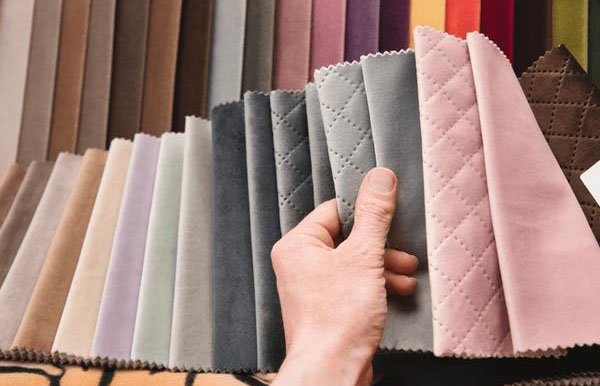
Skipping the Trial Order Stage Moving directly from an approved sample to a full production order skips a critical checkpoint. Sample fabric is frequently produced with more hands-on attention than bulk production runs, and a trial order is often the first realistic test of whether a supplier can replicate sample quality at scale.
Failing to Document Specifications in Writing Verbal or informal specifications create room for misinterpretation, particularly across language and cultural differences in international sourcing. Written specifications, ideally confirmed by both parties before production, reduce the risk of disputes over what was actually agreed upon.
Over-Relying on a Single Supplier Buyers who source a critical fabric from only one supplier carry significant exposure if that supplier experiences a production disruption, capacity constraint, or quality lapse. Qualifying a backup supplier, even if not immediately used, reduces this concentration risk for buyers with sufficient order volume to justify it.
Not Verifying Certifications Independently Certification claims listed on a supplier’s website or sales materials are not always current or valid. Buyers who accept these claims without requesting the underlying documentation, or checking with the certifying body directly, may unknowingly work with a supplier whose certification has lapsed or was never fully obtained.
Underestimating Communication as a Screening Signal Buyers sometimes treat early-stage communication delays as a minor inconvenience rather than a meaningful signal. In practice, how a supplier communicates during the quoting and sampling phase, when they are actively trying to win the business, often represents their best-case responsiveness rather than an exception to expect improvement on later.
Frequently Asked Questions
What is the most important factor when choosing a fabric supplier? No single factor determines supplier reliability alone, but consistent communication and a documented quality control process are among the strongest early indicators of how a supplier will perform under real production conditions.
How many fabric suppliers should I evaluate before choosing one? Evaluating at least two to three candidate suppliers in parallel is generally recommended, since side-by-side comparison of samples, pricing, and communication reveals differences that are harder to assess when evaluating suppliers one at a time.
Should I always choose the supplier with the lowest price? Price alone does not account for quality consistency, communication reliability, or inspection practices, and selecting solely on price increases the risk of quality issues or production delays later in the relationship.
How do I verify a fabric supplier’s certifications? Buyers should request current certification documents directly from the supplier and, where possible, confirm certification status through the relevant certifying body rather than relying on a supplier’s website claims alone.
Is a factory visit necessary before choosing a fabric supplier? A factory visit is not always required, but it can meaningfully reduce risk, particularly for larger orders, and third-party inspection services offer an alternative when an in-person visit is not feasible.
What red flags suggest a fabric supplier may be unreliable? Common red flags include vague or inconsistent answers to specific technical questions, unwillingness to provide certifications or references, and MOQ or pricing terms that shift between conversations.
How long does the fabric supplier evaluation process typically take? Evaluation timelines vary by order complexity, but buyers should generally expect several weeks between initial supplier outreach and a completed trial order, particularly when sampling and certification verification are involved.
Can I switch fabric suppliers mid-production without major disruption? Switching suppliers mid-production is possible but generally introduces risk, since a new supplier will require its own sample approval and trial order process; buyers facing quality or reliability issues should weigh the short-term disruption of switching against the longer-term risk of continuing with an underperforming supplier.
Should fabric supplier evaluation criteria differ for a first order versus a repeat order? Repeat orders still benefit from periodic re-evaluation, since a supplier’s quality consistency, capacity, or ownership can change over time; buyers who treat supplier qualification as a one-time event rather than an ongoing process may miss early signs of declining performance.
Key Takeaways
- A structured, criteria-based evaluation process reduces fabric sourcing risk more effectively than price-only supplier selection.
- Sample handling and communication responsiveness during evaluation often predict how a supplier will perform once a larger order is placed.
- Certifications and references should be independently verified rather than accepted at face value.
- Trial orders help confirm that bulk production quality will match approved samples before committing to full production volume.
- Documenting evaluation criteria, sample results, and quality control agreements creates a useful record for future sourcing decisions and dispute resolution.
Conclusion
Choosing a fabric supplier is a decision that benefits from a documented, repeatable process rather than an instinctive or purely price-driven choice. Buyers can pair this evaluation framework with related resources on fabric wholesale suppliers, fabric purchasing, and textile fabric quality for a more complete view of the sourcing process. Manufacturers such as SJZ Fabric are commonly included among the suppliers apparel brands evaluate when applying this type of structured selection criteria to a new sourcing relationship. A consistent, documented evaluation process ultimately reduces long-term sourcing risk and supports more reliable production outcomes.