
Polyester fabric pricing works on a fundamentally different logic than natural-fiber fabric pricing. Because polyester is a petroleum-derived synthetic, its cost base is tied to the petrochemical value chain — specifically PTA (purified terephthalic acid) and MEG (monoethylene glycol) — rather than to agricultural cycles or fiber grading systems used for natural fibers. This means polyester fabric price movements often track crude oil trends, refinery capacity, and chip market conditions rather than crop yields or seasonal demand.
For apparel brands, home textile buyers, and technical fabric buyers, understanding the polyester-specific factors behind a quotation makes it much easier to interpret price gaps between suppliers, avoid common quality substitutions, and place bulk orders at the right time. This guide focuses specifically on how polyester fabric is priced, where the cost efficiencies actually come from, and what buyers should watch out for during a polyester procurement cycle.
What Drives Polyester Fabric Price
Upstream Petrochemical Costs (PTA and MEG) Roughly 85% of polyester production cost comes from raw material inputs, primarily PTA and MEG derived from crude oil. When these petrochemical feedstocks move, polyester chip prices adjust within days, and finished fabric quotations typically follow within a few weeks.
Polyester Chip Grade Polyester chips are produced in different grades — semi-dull, bright, full-dull, and cationic dyeable — and the choice of chip grade directly affects fabric appearance, dye behavior, and per-kilogram material cost.
Virgin vs Recycled Polyester (rPET) Recycled polyester made from post-consumer PET bottles typically carries a moderate price premium over virgin polyester due to collection, sorting, and repolymerization costs. Certified recycled polyester with GRS (Global Recycled Standard) documentation carries an additional premium reflecting the audit and traceability requirements.
Filament Type: DTY, POY, FDY Polyester filament yarn is produced in several forms — POY (partially oriented yarn), DTY (drawn textured yarn), and FDY (fully drawn yarn) — each with a different processing cost and end use. DTY is commonly used for softer, more textured fabrics, while FDY is used for smoother, more lustrous fabrics, and pricing varies accordingly.
Denier and Filament Count Polyester yarn is specified by denier (D), which measures linear density, and by filament count (e.g. 75D/72F). Finer deniers and higher filament counts, such as microfiber constructions, are more expensive to spin than heavier, coarser deniers used in bulk industrial fabric.
Fabric Construction Woven polyester such as taffeta, oxford, and pongee generally carries different price points than knitted polyester such as tricot or interlock, based on the specific loom or knitting machine time and yarn consumption involved.
Dyeing Method Solid-color piece-dyed polyester is generally the most cost-efficient, while yarn-dyed polyester, digital-printed polyester, and sublimation-printed polyester each carry higher processing costs due to additional production steps and color-matching complexity.
Functional Finishes Performance finishes — moisture-wicking, water repellency, anti-static, flame retardancy, UV protection — each add to the base fabric cost, sometimes significantly, depending on the chemical treatment and required test certifications.
Order Volume and Machine Utilization Polyester mills are heavily volume-driven; running a dedicated production line for a small order carries a proportionally higher setup and changeover cost per meter, which is why small orders often price higher per unit than mill-standard bulk runs.
Sourcing Region Countries with large integrated polyester production chains, particularly China, generally offer lower base pricing due to upstream PTA/MEG capacity, chip production, and downstream weaving and finishing all located within short logistics distances.
Polyester Fabric Price Reference Table
| Polyester Fabric Category | Relative Price Level | Primary Cost Driver |
|---|---|---|
| Basic Polyester Taffeta (Lining Weight) | Lower | High-volume standard production |
| Polyester Pongee / Oxford | Lower-Medium | Standard weaving, coarse denier |
| Polyester Microfiber | Medium | Fine denier, higher filament count |
| Recycled Polyester (GRS Certified) | Medium-High | Recycled feedstock, certification cost |
| Functional Polyester (Wicking, DWR) | Medium-High | Additional finishing chemistry |
| Sublimation-Printed Polyester | High | Print processing, color complexity |
Note: Polyester fabric prices move with the petrochemical market and can shift meaningfully within a few weeks; current quotations should always be used for actual budgeting rather than general benchmarks.
How To Access Competitive Polyester Fabric Pricing From China
China accounts for a significant share of global polyester capacity, and buyers can access better pricing by understanding how the supply chain is structured rather than simply asking multiple suppliers for a quote.
Buy From Integrated Producers Where Possible Some of the largest polyester producers in China operate integrated facilities that manage PTA and MEG production, chip polymerization, filament spinning, and weaving under a single corporate structure. Buyers ordering at sufficient volume through an integrated producer avoid the margin stack that builds up when each stage is handled by a separate company.
Time Orders Around Chip Market Movements Polyester chip prices are published on domestic Chinese commodity platforms and updated frequently. Buyers with flexible timelines can benefit from monitoring chip price trends and placing bulk orders during relative dips, rather than during peak upward movement in the petrochemical market.
Use In-Stock Greige Fabric When Feasible Many mills carry standard greige (undyed) polyester fabric in common specifications such as 75D taffeta or 150D pongee. Buyers who can work with these in-stock constructions and add only dyeing or finishing steps typically pay less and receive shorter lead times than buyers requesting fully custom yarn and weave specifications.
Consolidate Color Orders Because polyester is dyed at high temperature in pressurized dye machines, minimum dye-lot sizes affect per-kilogram cost. Consolidating multiple color variants into fewer larger dye lots, where design flexibility allows, generally improves pricing compared to requesting many small custom colors.
Consider Nearby Fabric Trading Zones for Smaller Orders For buyers whose volumes do not justify a direct mill relationship, wholesale fabric markets in Zhejiang and Guangdong offer a wide range of ready-stock polyester fabric that can be purchased in smaller quantities at competitive per-meter pricing due to the high vendor density and direct-to-buyer sales model.
Work in USD or Confirm CNY Exchange Terms Since Chinese polyester mills quote in either USD or CNY, buyers should confirm the currency and applicable exchange terms in writing. Currency movement between quotation and payment date can meaningfully change the effective landed cost, especially for large orders.
Precautions When Buying Polyester Fabric
Watch for Recycled Content Substitution Because recycled polyester carries a price premium, some suppliers may substitute virgin polyester for orders quoted as recycled without proper documentation. Buyers specifying recycled content should require GRS or equivalent certification documents at the transaction level, not just at the mill level.
Verify Actual Denier and Weight Denier substitution — quoting a fabric at 75D but delivering 68D, for example — is a recurring issue in bulk polyester sourcing, since the visual and hand-feel difference is small but the material cost difference is real. Buyers should request weight-per-meter (or GSM) verification on delivered goods, not just the initial sample.
Check for Filament Type Substitution FDY and DTY constructions look similar in some fabrics but perform differently in drape, luster, and dye uptake. Buyers should confirm filament type in the written specification, not only “polyester” as a generic description.
Be Skeptical of Prices Significantly Below Chip Cost Trends When published polyester chip prices are rising but a supplier’s fabric quotation is dropping, this can indicate the use of lower-grade or off-spec chip material, older warehouse stock, or misrepresented fiber content. Buyers should investigate before treating such a quote as a favorable deal.
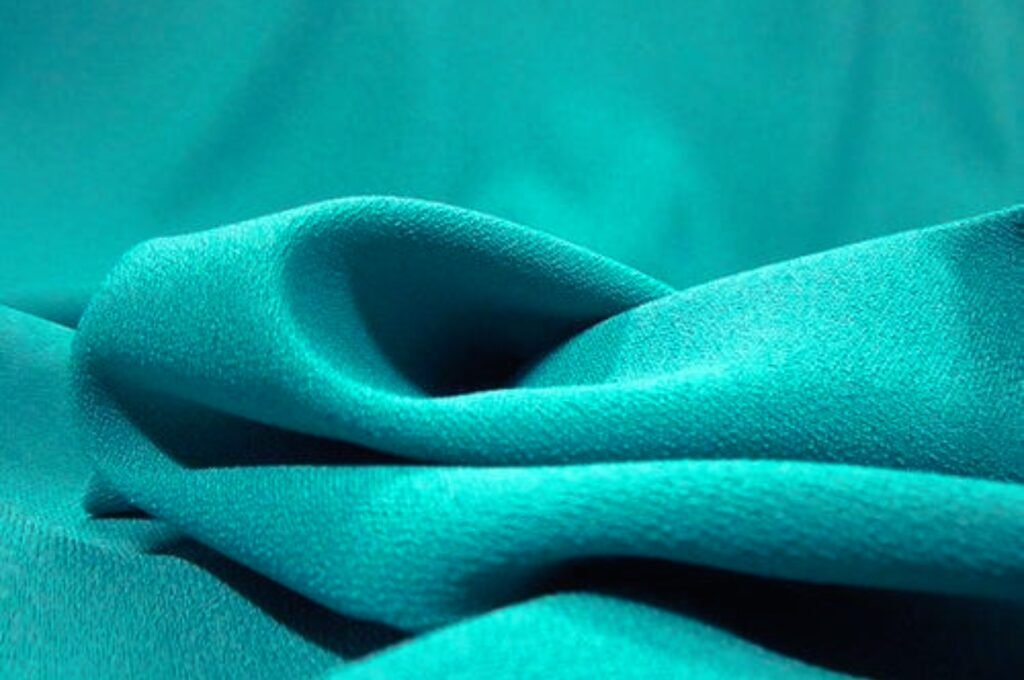
Confirm Colorfastness for High-Contrast Colors Polyester dye behavior differs significantly across dark, bright, and pastel shades. Buyers ordering deep blacks, reds, or fluorescents should require colorfastness testing to rubbing and washing before bulk approval, since substandard dyeing can cause visible color transfer on garments after finishing.
Confirm Functional Finish Durability Water-repellent, wicking, and anti-static finishes vary widely in wash durability. Buyers should confirm not only that a finish is applied but how many wash cycles it is rated to maintain, since some low-cost finishes lose performance within 5 to 10 washes.
Document Payment Terms and Delivery Milestones Polyester production is often prepaid in part; buyers should confirm deposit percentage, balance payment timing, and delivery documentation in writing, and avoid full prepayment to unfamiliar suppliers.
Fabric Selection Recommendations
End-Use Requirements Buyers producing linings, promotional bags, or basic sportswear can generally rely on standard-denier woven polyester, while performance apparel and technical outerwear justify the additional cost of finer microfiber or functionally finished polyester.
Fabric Performance Applications requiring stretch should specify polyester-spandex blend fabric rather than 100% polyester, since polyester alone offers limited mechanical stretch even in knit constructions.
Comfort Requirements For skin-contact garments, moisture-wicking or hydrophilic-treated polyester provides a noticeable comfort improvement over untreated polyester at a moderate cost premium.
Durability Expectations Higher-denier and tighter-weave polyester constructions offer better abrasion resistance for workwear, bag, or upholstery applications, but at correspondingly higher cost than lightweight lining-grade polyester.
Washing Requirements Care performance varies with finishing chemistry; buyers should confirm not only fiber content but finish durability across expected wash cycles to avoid receiving fabric that meets initial specification but degrades quickly in use.
Budget Considerations Choosing standard greige constructions and consolidating color orders where possible generally delivers better cost outcomes than pursuing fully custom specifications, particularly for first-time buyers still establishing supplier relationships.
Procurement Considerations
MOQ Requirements Polyester mills typically operate on larger MOQs than natural fiber mills due to the batch size of dye machines and weaving line changeover costs, so buyers should confirm MOQ upfront rather than assuming small orders can be accommodated.
Lead Time Expectations Standard in-stock greige fabric with piece dyeing typically ships faster than fully custom yarn and weave orders; buyers should request lead time estimates specific to each stage rather than accepting a single blended figure.
Quality Control Procedures Pre-shipment inspection covering weight, denier, colorfastness, and finish performance is particularly important for polyester orders, given the range of substitution risks noted above.
Fabric Testing Requirements Common polyester tests include denier verification, GSM verification, colorfastness to rubbing and washing, and finish durability testing, and these should be specified in the purchase agreement.
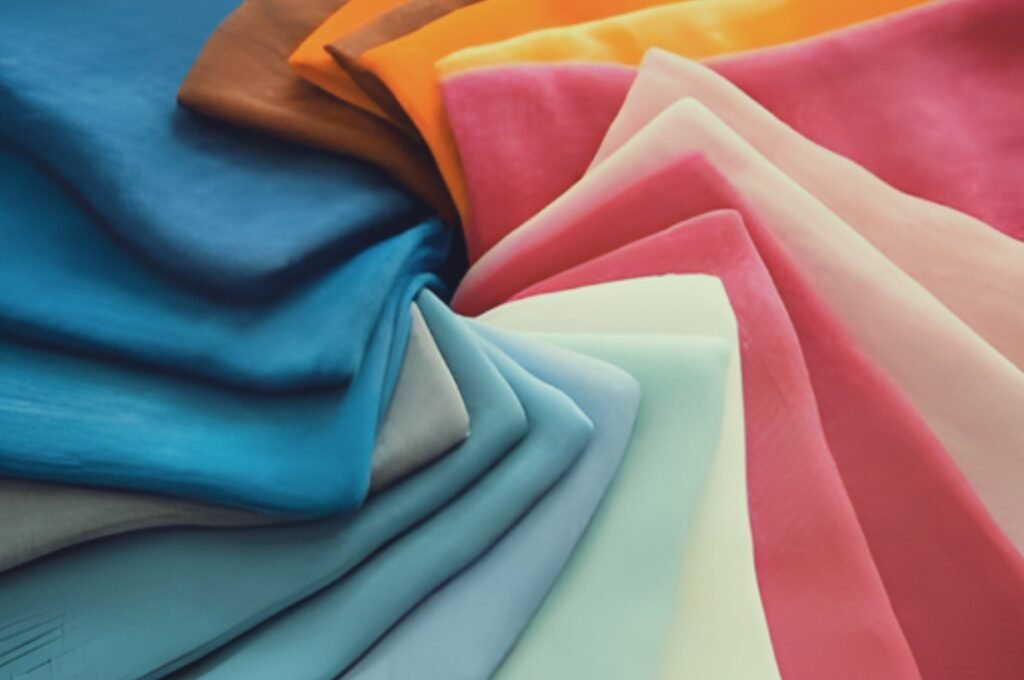
Color Consistency Management Dye-lot variation is common in polyester production, and buyers should require lab dip approval, first-bulk approval, and consistent lot management for orders requiring color uniformity across large panels or matching components.
Packaging Requirements Polyester fabric is generally more resistant to moisture damage than natural fibers, but packaging should still prevent creasing, contamination, and mechanical damage during international transit.
Shipping Considerations Sea freight is standard for bulk polyester fabric orders; buyers should confirm incoterms, port responsibilities, and customs documentation early to avoid delays at destination.
Supplier Evaluation Factors Beyond price, buyers should evaluate a polyester supplier’s chip sourcing consistency, dyeing capacity, functional finishing capability, and ability to provide traceable certification documentation where required.
Frequently Asked Questions
Why does polyester fabric price change so quickly compared to cotton fabric price? Polyester price is tied to petrochemical feedstocks (PTA and MEG) that trade on active commodity markets, so upstream cost movements flow through to fabric quotations within days or weeks, faster than the seasonal cycle typical of natural fibers.
Is recycled polyester fabric always more expensive than virgin polyester? Recycled polyester typically carries a moderate price premium due to feedstock collection and repolymerization costs, and certified recycled polyester with GRS documentation carries an additional premium reflecting audit and traceability requirements.
What does the “D” in polyester fabric specifications mean? “D” stands for denier, a measure of yarn linear density. Higher denier numbers indicate heavier, thicker yarn, and denier is a key specification affecting both fabric weight and price.
Can I trust polyester fabric quotes that seem significantly cheaper than market average? Unusually low polyester quotations relative to current chip market conditions can indicate lower-grade material, denier substitution, or misrepresented recycled content, and should be verified through testing before bulk commitment.
Do polyester mills offer smaller MOQs for first-time buyers? Some mills offer trial-order arrangements, but polyester MOQs are generally higher than natural fiber MOQs due to dye machine and weaving line economics; smaller first-time buyers may find fabric market vendors or trading companies more accessible.
Which is more expensive, DTY or FDY polyester fabric? Pricing depends on denier, filament count, and specific fabric construction, and neither DTY nor FDY is universally more expensive; buyers should compare on a like-for-like specification rather than filament type alone.
How much does functional finishing add to polyester fabric price? Functional finishing costs vary by treatment type and required durability rating, with basic anti-static or softener finishes adding relatively little, and durable water repellency or flame retardancy adding a more significant premium.
Key Takeaways
- Polyester fabric price is driven by petrochemical feedstock costs (PTA and MEG), not agricultural cycles, and moves more quickly than natural fiber pricing.
- Filament type (DTY, POY, FDY), denier, and dyeing method are polyester-specific cost drivers buyers should understand before comparing quotations.
- Recycled polyester and functionally finished polyester carry meaningful price premiums that should be verified through certification and finish durability documentation.
- Denier substitution, recycled content substitution, and finish durability shortcuts are among the most common cost-cutting shortcuts to watch for in polyester sourcing.
- Buying from vertically integrated Chinese producers, using in-stock greige fabric, and consolidating dye lots are practical ways to access more competitive polyester fabric pricing.
Conclusion
Polyester fabric pricing follows its own logic — anchored in petrochemical markets, filament processing methods, and dyeing economics — and buyers who understand these mechanics are better positioned to interpret quotations and avoid common substitution risks. For related sourcing context, buyers can review guides on is polyester fabric good, polyester textile material, and the polyester fabric product page. Manufacturers such as SJZ Fabric are frequently among the polyester fabric suppliers evaluated by apparel brands seeking transparency on denier, finish specification, and lot consistency. A structured understanding of polyester pricing ultimately supports better negotiation, tighter quality control, and more predictable production outcomes.