
Business suit fabric is essential in professional dressing that determines how you appear, feel, and perform at work. Wearing the appropriate business suit fabrics will ensure that you remain comfortable, well-dressed and sure of yourself all day long. This is a full guide to everything you should know, such as fibers and weaves, weights, patterns, care, and sustainability. You will be informed on the effects of various fabrics on longevity, seasonality, looks, and value in the long term, to make smarter suit investments.
What is Business Suit Fabric?
Business suit fabric is a set of textiles that are designed to be tailored by professionals and in a business suit. These garments are based on framework, resistance and an elegant look rather than comfort-oriented informal fabrics. Formal suiting fabrics are made of a finer fiber, tighter weave and more refined finishes, unlike casual fabrics. The finish is smooth and visually attractive. A sharp, professional appearance is guaranteed when you select the appropriate cloth.
Key Factors That Define Quality Business Suit Fabric
Fiber Type
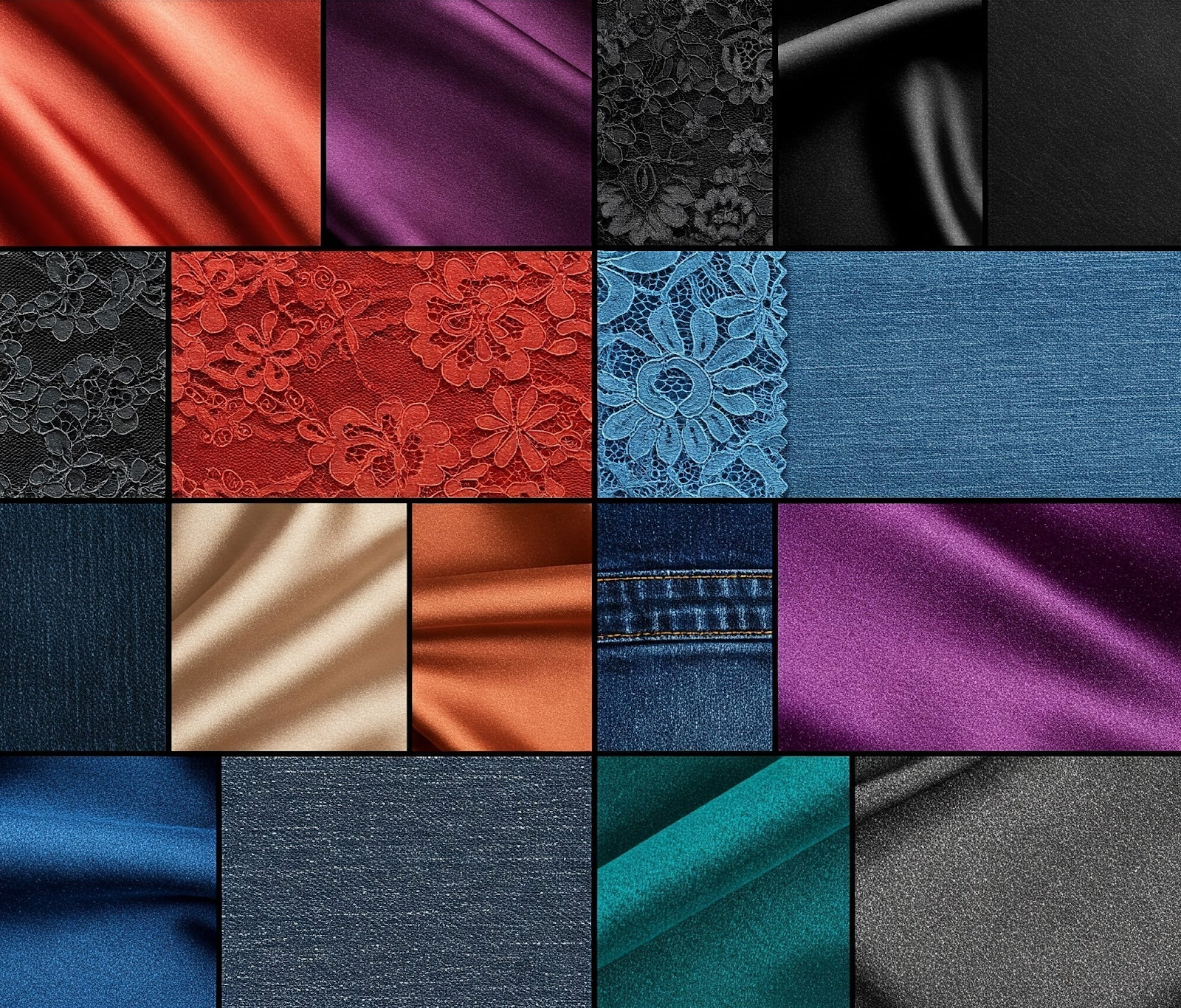
The quality of business suits and their long term performance is determined by fiber type. Natural materials such as wool provide breathability, softness and regulation of temperature. Artificial fibers enhance resistance to wrinkles and lower prices. Fiber origin is helpful to you as it influences comfort and durability. Fine merino wool is more durable and lighter. Synthetic blends enhance strength and decrease airflow. Mixed blends usually provide casual daytime wear.
Fabric Weave
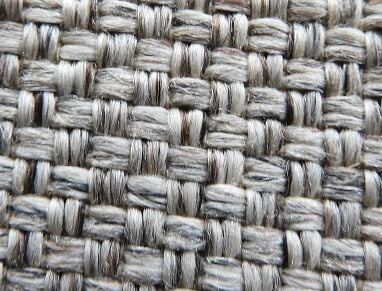
The weave of fabrics affects the appearance, feel and motion of a suit on your body. Twill fabrics are easy to wear and do not wrinkle easily. Plain weaves are lighter and they crease more quickly. Weave structure should be considered rather than thickness. The right weave is better shaped and moves naturally. Good drape enhances comfort and appearance elegance during the day.
Fabric Weight (GSM / Oz)
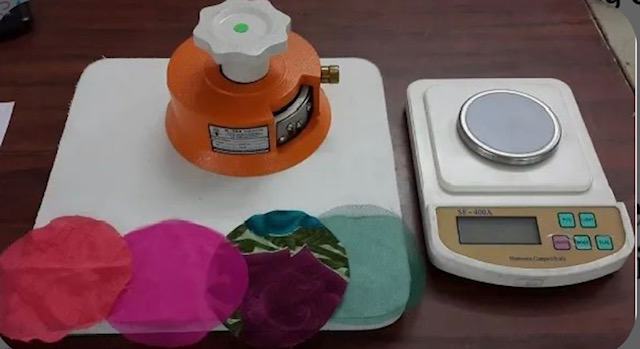
Fabric weight regulates the comfort and versatility according to season. Light clothes are appropriate in hot conditions and in indoors. Medium-weight garments are all-season and adjustable. Heavyweight fabrics are warm and structured in colder seasons. Fabric weight should be matched to use and climate. Adequate weight eliminates overheating or rigidity caused by wear.
Yarn Count and Super Numbers
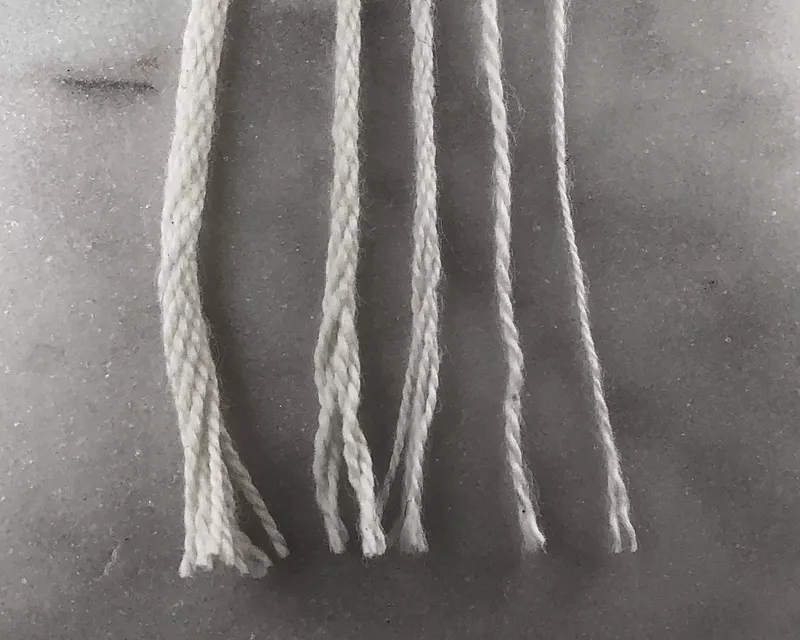
Super numbers denote fineness of yarn and refinement of fabric. Super 100s and 120s balance durability and softness. Super 150s are luxurious and have quicker wear. You have to make a choice between fine and long. The more there are, the smoother, the less resistance. Wise decisions will guarantee beauty does not come at the expense of longevity.
Most Common Natural Fabrics Used in Business Suits
Wool
Wool is a natural fiber that is obtained by the use of sheep and is woven into strong and breathable garments. It reigns in the business suit fabrics as it is a balance between style, comfort, and functionality. Wool keeps the body temperature balanced and it does not get wrinkled even when working long hours. It also falls neatly, making a sharp figure. It has its strength, simple customization, and professionalism th at you enjoy. Wool suits are suitable in everyday office, in formal meetings, in events of companies in all seasons.
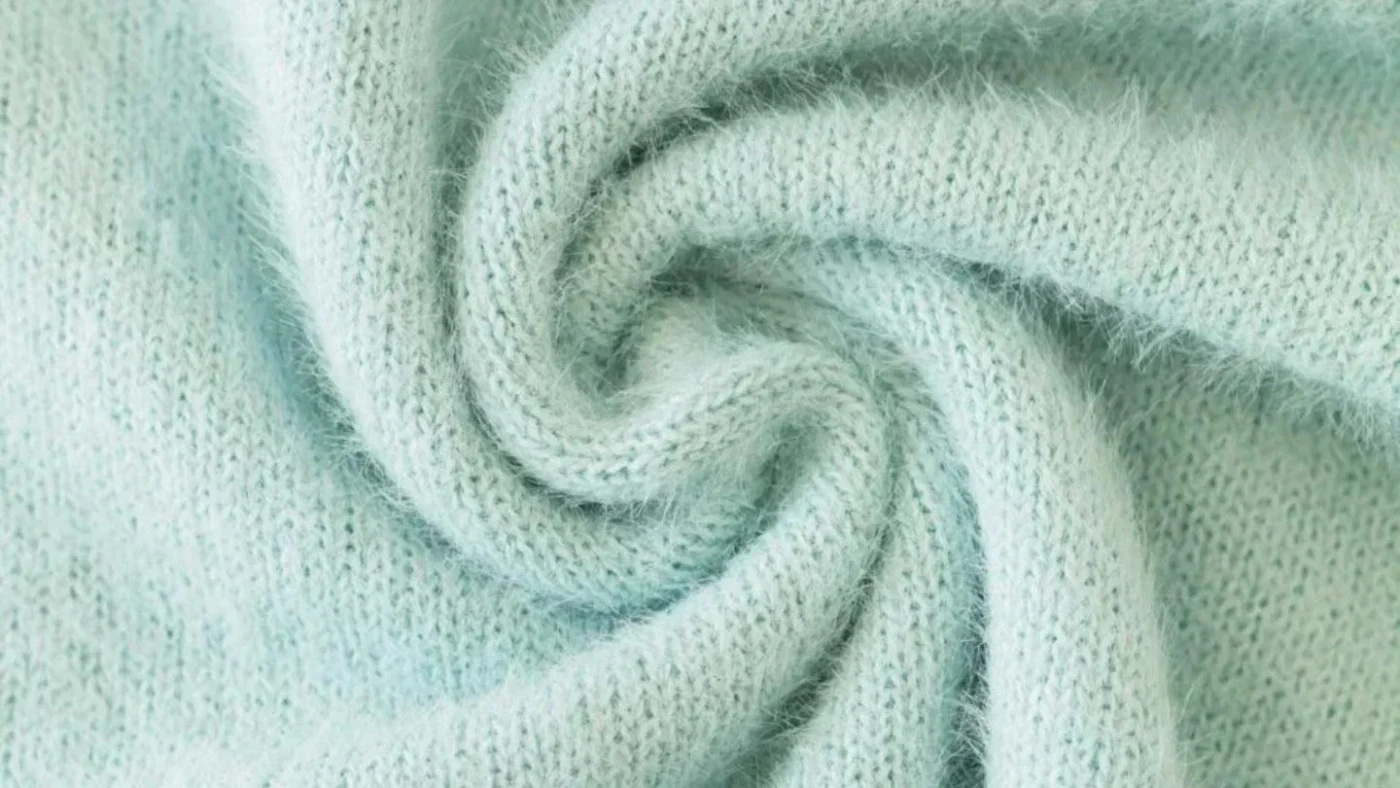
Merino Wool
Merino wool is a product of Merino sheep and is characterised by extremely fine natural fibres. These thinner fibers provide better softness and less itchiness to the skin. Merino wool is able to regulate temperature and keep moisture at bay. You feel comfortable in hot and cold weather. Its sophisticated appearance fits the office environment and long working hours. Merino wool is ideal in annual business wear and travelling.
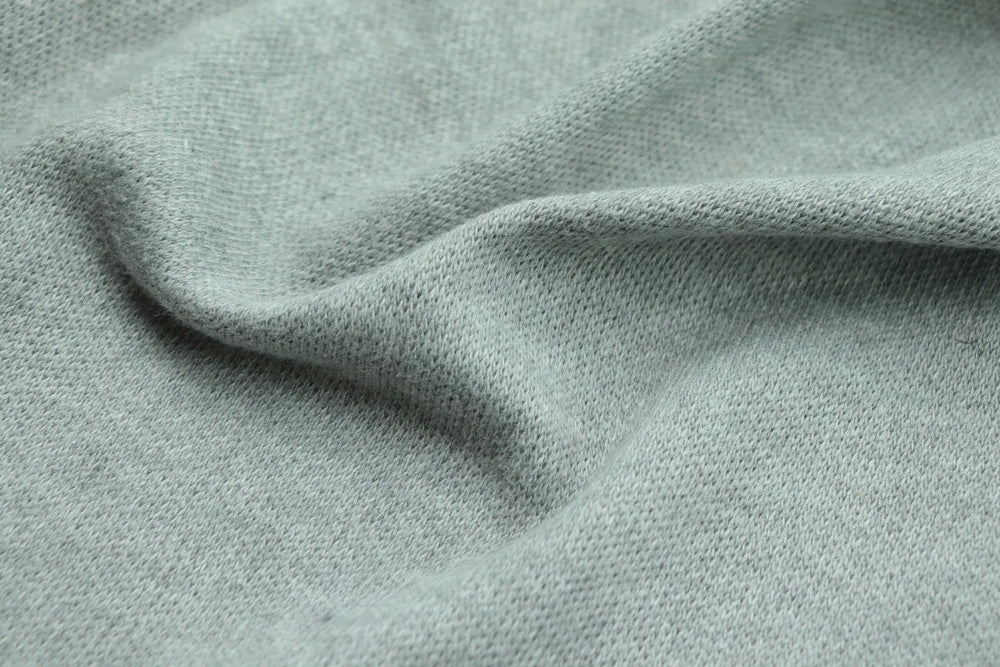
Worsted Wool
Worsted wool involves the use of long fibers that are tightly twisted into smooth and sturdy fibers. The process gives a clean finishing and sharp structure. Worsted wool is pilling resistant and shape retaining. It gives you a smooth finish and high level of durability. It is appropriate to formal business settings, boardrooms and professional presentations. Worsted wool is suitable in structured and classic suits.
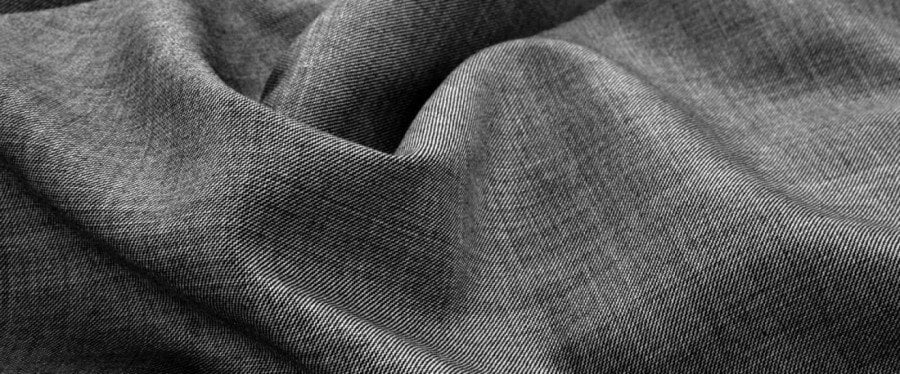
Tropical Wool
Tropical wool is made of lightweight wool woven freely to allow air to pass through. This building enhances moisture management and breathability. You remain fresher in hot seasons but not losing professionalism. The tropics wool is light and less constricting. It is suitable in hot weather, summer offices, and business travel. You will find it frequently in unlined or half-lined suits.
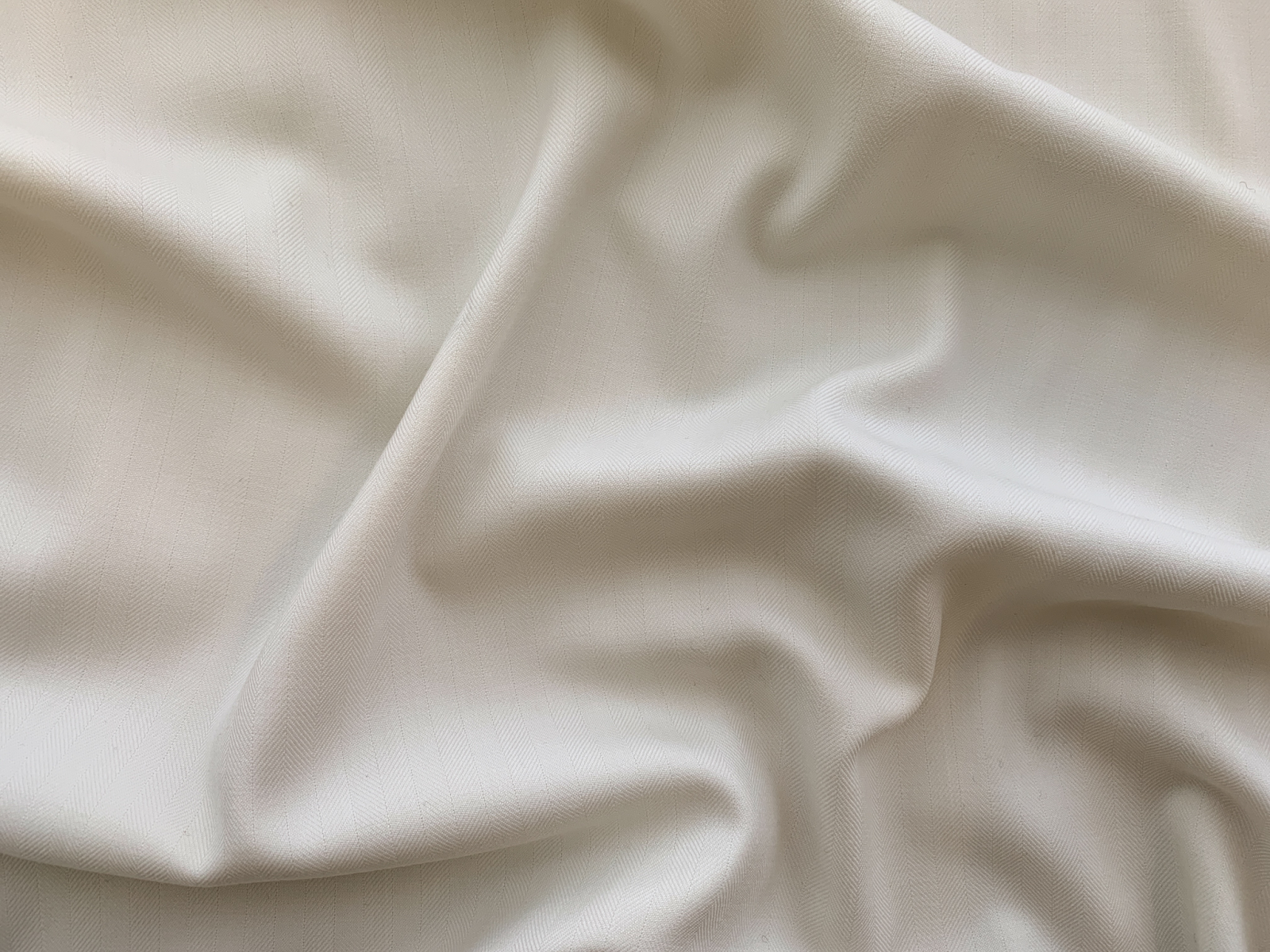
Cashmere
Cashmere is the undercoat of cashmere goats and it is luxuriously soft and light. It is cozy and not bulky and can be used during colder weather. Cashmere is a delicate fabric with low durability. You must not wear pure cashmere on a daily basis in the office. It is practical to use with executive suits or formal events that are not frequent. Cashmere suits are also suitable in mixed or cold weather luxury use.
Linen
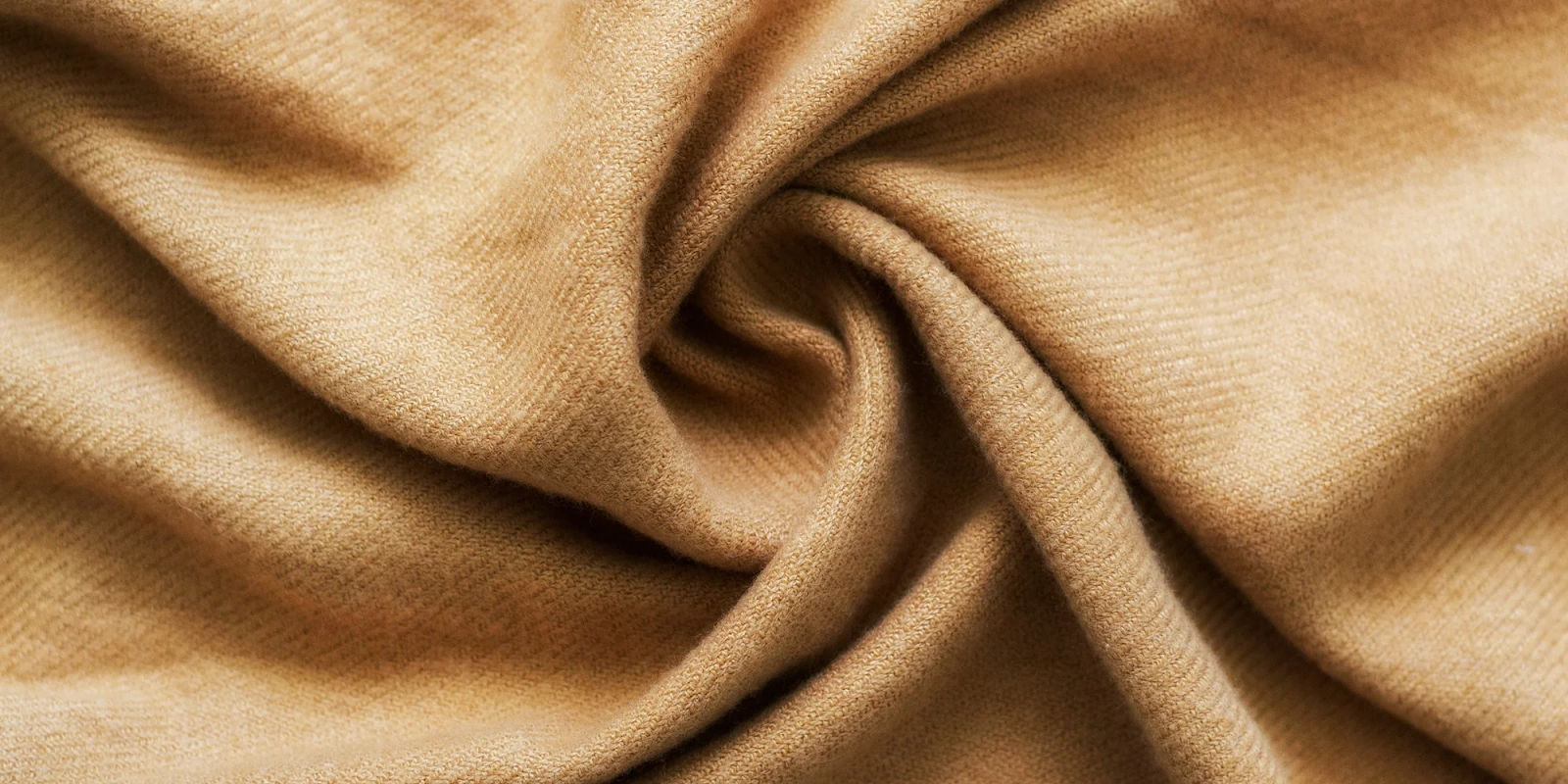
Flax is converted into linen that is breathable and has a casual flow. It wrinkles and gets softer with age. Linen suits are elegant but relaxed in summer. You have to treat it with some care to be professional. It is appropriate in warm weather, relaxed offices and destination meetings. Linen suits are best suited in lightweight business outfits that concentrate on summer.
Cotton
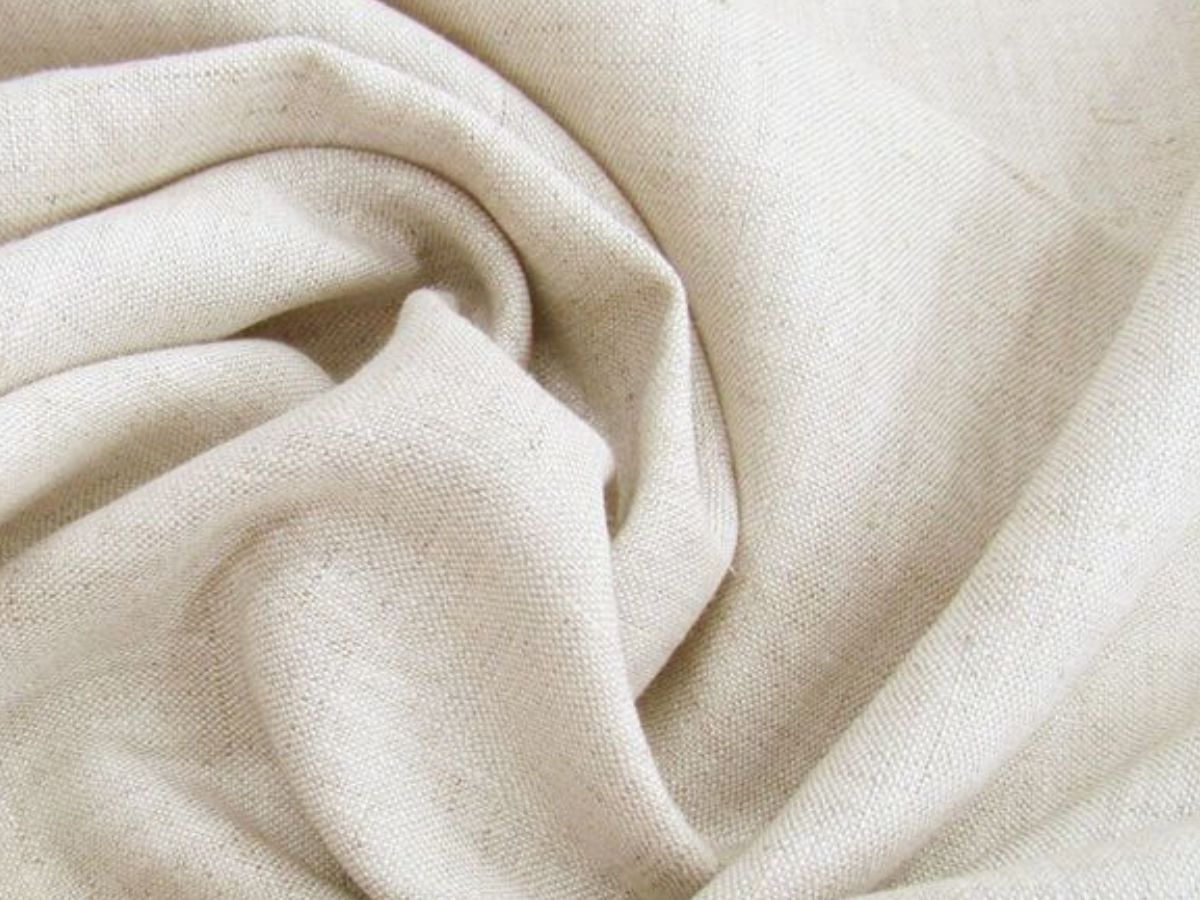
Cotton is a natural fabric with structured but soft, matte touch. It is comfortable and breathable during the extended shifts. Cotton suits are casual compared to wool, yet they are fashionable and useful. You can use them at business-casual offices and intelligent weekday wear. It is effective in practical and comfortable styles. Cotton suits are suited to casual and transitional business settings.
Synthetic and Blended Business Suit Fabrics
Polyester
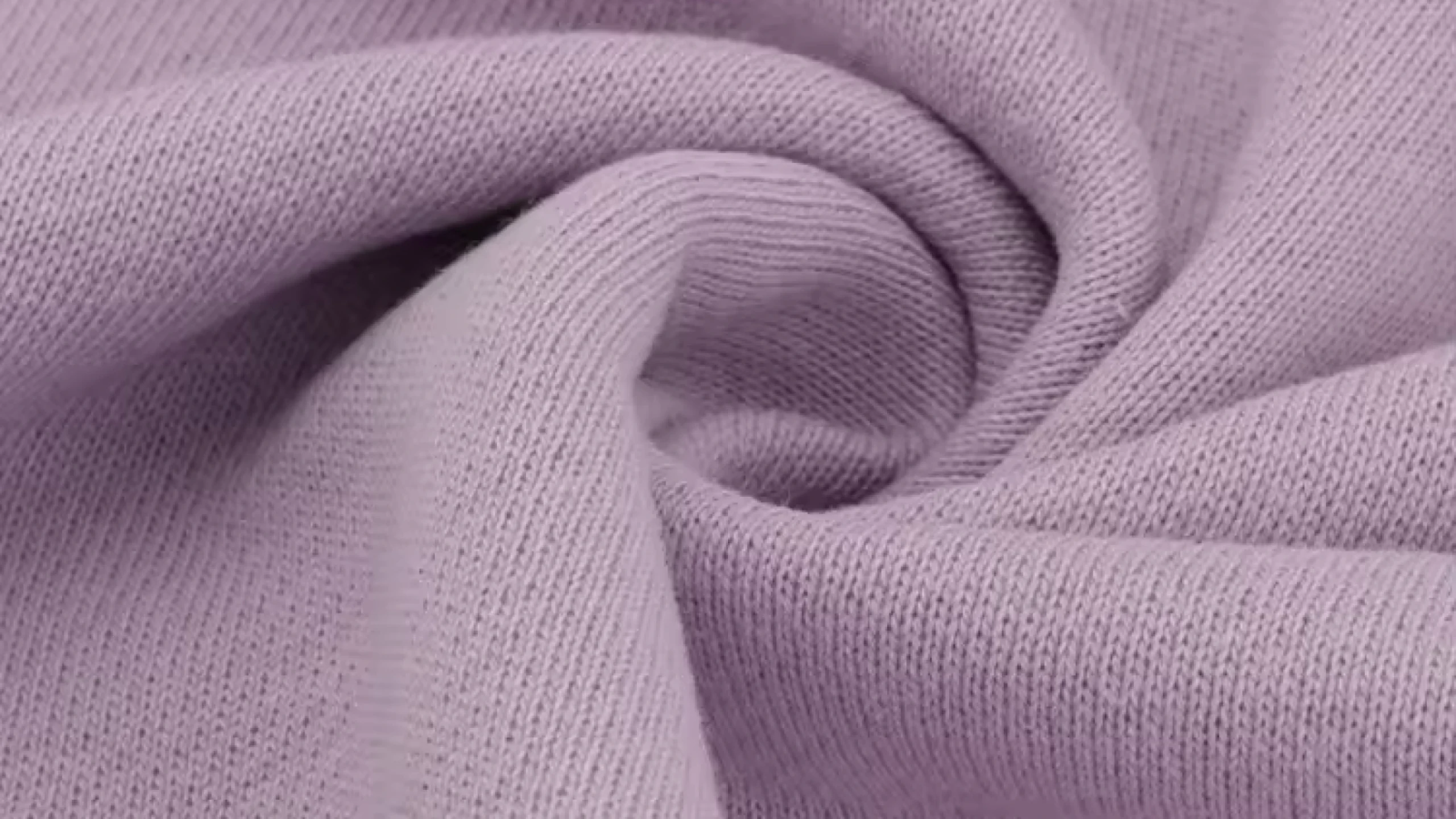
Polyester is a completely synthetic material produced using polymers made out of petroleum. You will see that it enjoys popularity among business suits because it is cost effective. It does not wrinkle and your suit therefore looks crisp and professional all day. Polyester is, however, not naturally breathable and therefore less comfortably used in hot or humid environments. In case of better air flow, you can mix polyester with natural fibers. Durability and low maintenance make it suitable in the office, as frequent travel and those with limited budget and need long lasting clothes.
Viscose / Rayon
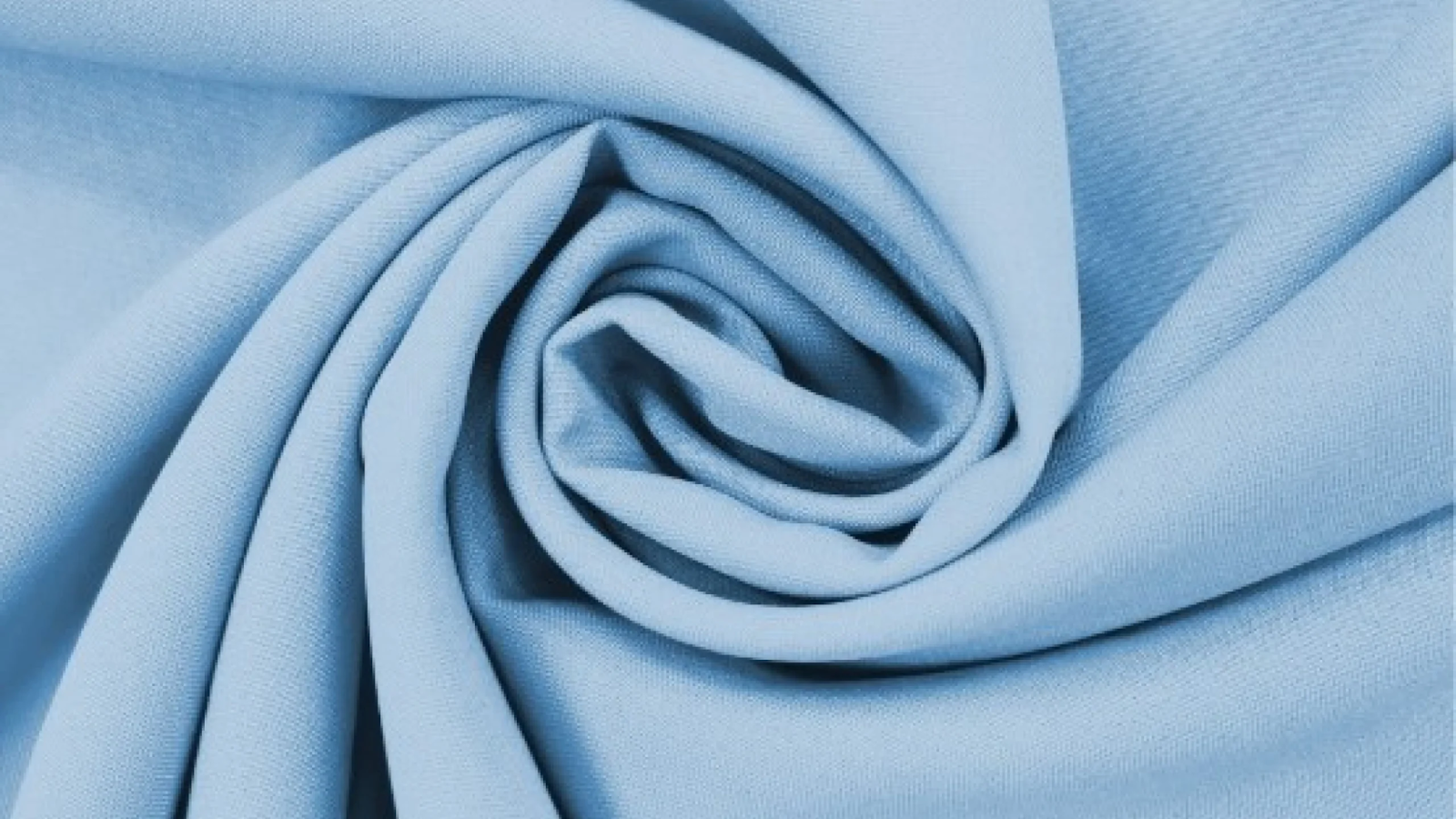
Viscose or rayon is a semi-synthetic fiber, which is based on cellulose. You will have the silk-like touch and the smooth texture at a lower price than pure silk. Viscose is highly absorbent and this keeps you comparatively cool and comfortable in warmer conditions. But it is easier to wrinkle and can be handled well. It will be appropriate to formal suits, lightweight summer suits, or as a layer to a combination where softness and drape are needed to make an impression and feel comfortable.
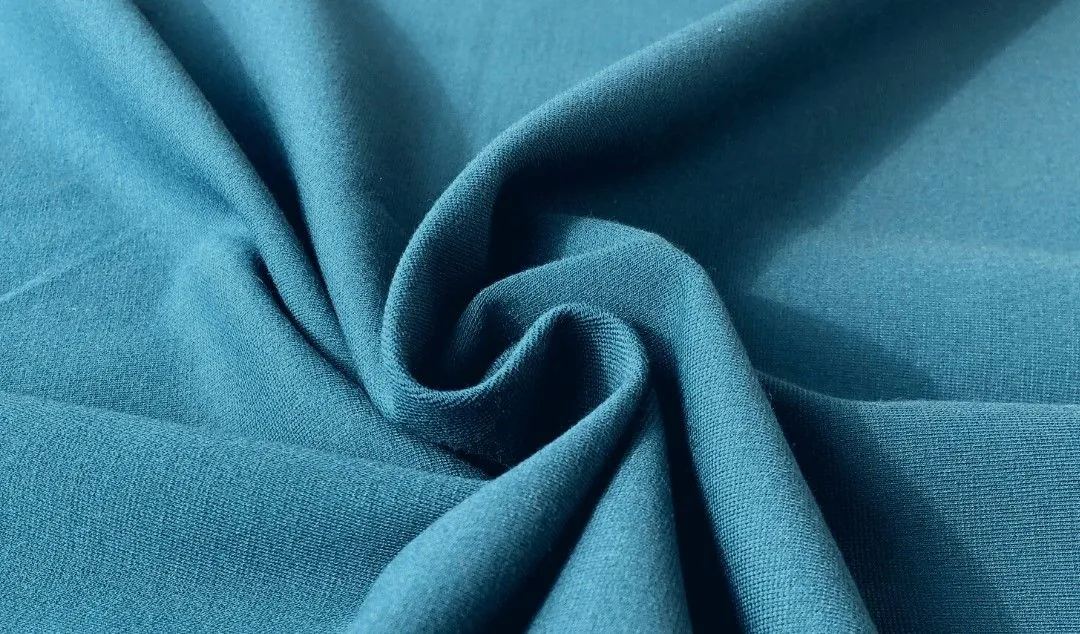
Elastane (Spandex) Blends
Elastane, also referred to as spandex, is a man-made fiber that offers flexibility and stretch. You will find its advantage in the new slim-fitting or tailored suits, with liberty of motion. Common blends are 2-5% elastane with wool or polyester to preserve structure and increase comfort. Elastane blends should be considered in case you require suits to be used in active office work, travel, or long meetings. The stretch makes sure that the fabric bounces back, maintaining the suit looking sharp and fitting throughout the day.
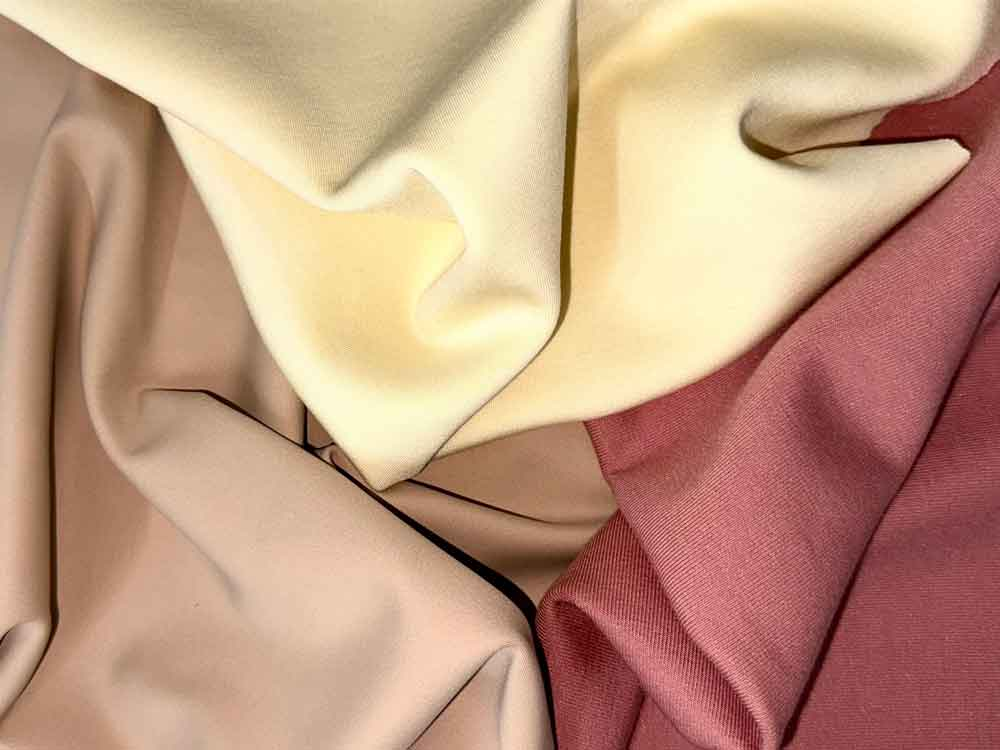
Wool-Blend Fabrics
Wool-blends are fabrics that consist of natural wool and synthetic fibres such as polyester or viscose. You will have the coziness, lightness, and movement of wool and enhance resistance and save money. Wool-to-polyester ratios are between 70/30 and 50/50. These fabrics will suit you best in multi purpose business suits that are comfortable, economical and long lasting. A practical yet stylish solution is wool-blends, which are effective during year-round office and professional events and business travel.
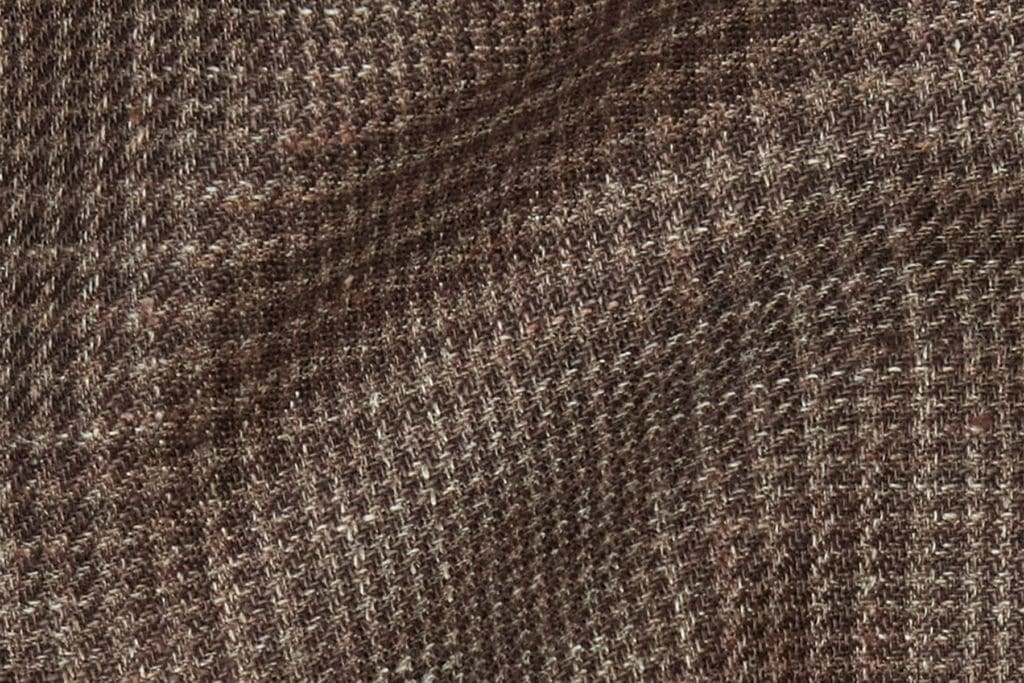
Business Suit Fabric Weaves Explained
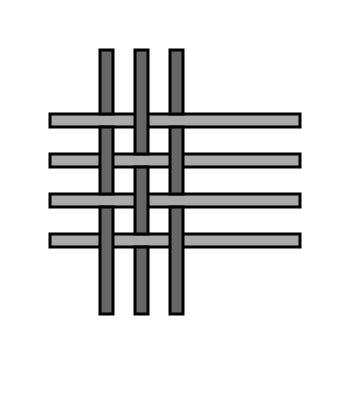
Plain Weave
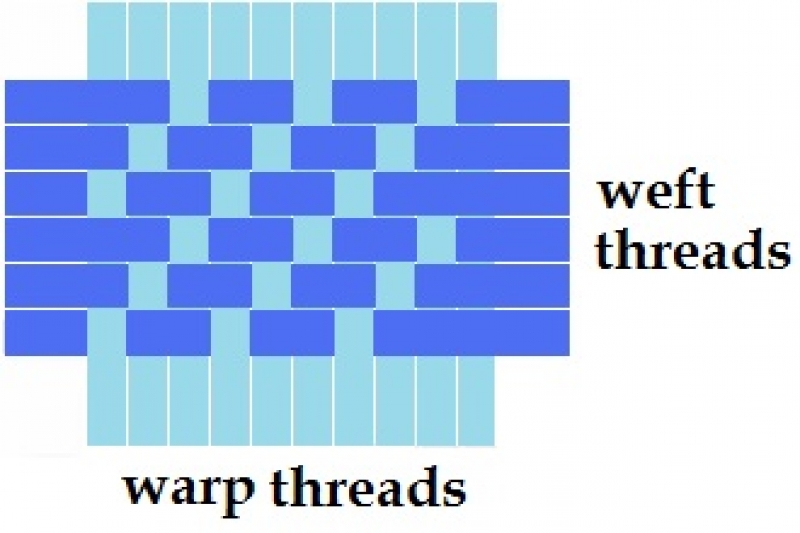
The most basic and the strongest weave is plain weave. It weaves back and forth in a pattern and forms a firm and flat fabric. You will find that its homogeneous texture gives it a firm grip and it is less likely to wrinkle and tear. Plain weave suits are suitable in business meeting and conservative offices. They have a clean crisp look that can also be mixed with traditional shirts and ties. The weave suits lightweight to medium-weight fabrics, which is why it makes a reliable suit to wear every day and at work.
Twill Weave
Twill weave is characterized by a diagonal pattern created by the over and under weaving rows. This construction creates a loose dress and light luster. Twill suits will be your favorite way of dressing because the fabric flows with your body. The wrinkle resistance and durability of twill make it a favorite in the business office. Its diagonal lines are not too bold, and it is not overly flashy, and it adds visual interest.
Herringbone
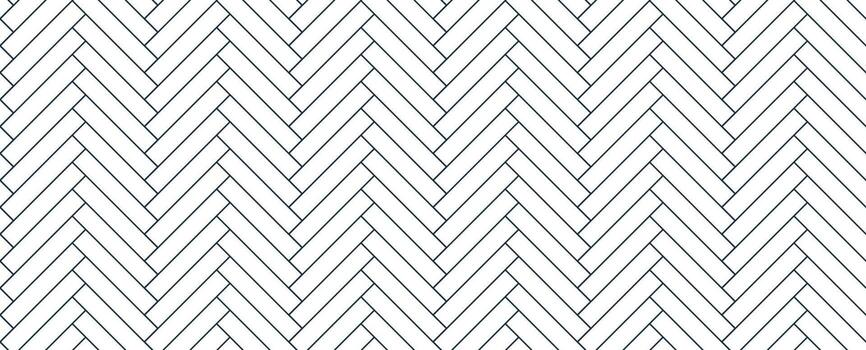
Herringbone weave produces a zigzag, V-shaped design which gives it a sense of texture and elegance. You will love the fact that it has a good visual quality that complements any formal attire. Fall and winter suits, especially herringbone, can be worn together with heavier wool fabrics. Its design is three dimensional and makes you look unique and professional.
Birdseye and Sharkskin
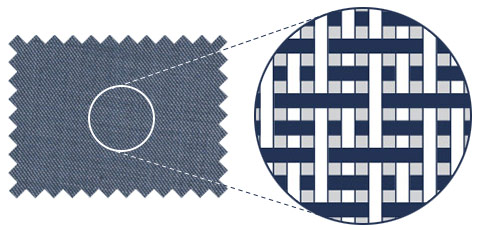
Birdseye and sharkskin weaves provide minor, small patterns that can be used in conservative business environments. You will love the way light reacts on these fabrics and the effect they bring to your outfit without being too overwhelming. Birdseye is dotted in texture, whereas sharkskin is made up of fine, contrasting diagonal threads. Both weaves are providing gentle sophistication and polish, ideal in the office and in business meetings.
Comparison of Common Business Suit Fabrics
| Fabric Type | Breathability | Durability | Wrinkle Resistance | Seasonality | Best Use Case |
| Wool | High | High | High | All seasons | Formal business suits |
| Wool Blend | Medium–High | High | High | All seasons | Daily office wear |
| Cotton | Medium | Medium | Low–Medium | Spring/Summer | Business-casual suits |
| Linen | Very High | Low | Very Low | Summer | Relaxed business settings |
| Polyester | Low | Very High | Very High | All seasons | Budget suits |
Understanding Suit Fabric Weight and Seasonality
Lightweight Fabrics (200–240 GSM)
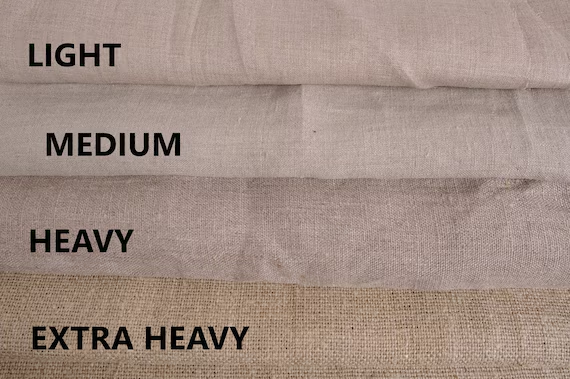
Lightweight fabrics are between 200-240 GSM and are soft and breathable. They are comfortable when you wear them in warm weather. These fabrics flow freely that suits have a smooth, elegant appearance. They are most effective in summer business environment or offices that have controlled indoor temperatures. You will enjoy the comfort whenever there is a long meeting or outdoor event. Lightweight fabrics are mostly tropical wool and finer linens. They are air-flowing, yet they have professional styles and are therefore suitable to use in hotter places during formal business events.
Medium-Weight Fabrics (250–280 GSM)
Medium weight fabric lies between 250-280 GSM and provides a moderate structure. Most office and corporate settings are safe in their hands. The fabrics are comfortable, yet durable and can be worn throughout the year. Layering is no problem to them, and you can change to cooler or warmer days. Wool blends within this range do not wrinkle and have a crisp look. You will discover medium-weight clothes that suit daily business suits, meeting with clients, and presentations, and are stylish and practical at all seasons of the year.
Heavyweight Fabrics (290+ GSM)
Heavyweight fabrics begin at 290 GSM and offer a lot of structure and insulation. You may use them during the winter months or colder weather. These fabrics stand up and keep their shape with time, upholding sharp lapels and sharp silhouettes. They are very warm and yet, they do not lose their elegance and hence, they are suitable in formal winter events or outdoor business meetings. The common options in this category are wool and flannel. Durability and professional polish will be of value to you, such that you will have confidence and comfort in cold offices or in brisk outdoor weather.
Suit Fabric Weight Guide by Season
| Fabric Weight | GSM Range | Recommended Season | Suit Performance |
| Lightweight | 200–240 | Summer | Maximum breathability |
| Medium | 250–280 | Spring/Fall | Balanced comfort |
| Heavyweight | 290–360 | Winter | Warmth and structure |
How to Choose the Right Business Suit Fabric
Climate and Work Environment
Think about where you are going to wear the suit most frequently. Lightweight and breathable fabrics are preferred in warm offices or outdoor commuting whereas heavy fabrics offer structure in cooler environments. The selection of the proper fabric can make it comfortable, easy to move, and presentable all day.
Frequency of Wear
Determine the frequency of usage of the suit. Everyday wear needs durable and wrinkle-free fabrics and occasional meetings can use delicate fabrics or luxury fabrics. The correct choice can ensure the suit does not lose its look and does not wear out too soon.
Professional Standards in the Industry
Take into account industry expectations. Corporate, legal, and finance industries are better adorned with conservative fabrics and classic colors, whereas creative industries can use more aggressive patterns and textures. The correct decision is professional and meets the standards of the workplace.
Budget Considerations
Trade off cost and long-term value. Good fabrics are durable, do not tear easily, and retain their drape. The cheap fabrics become out of shape easily, necessitating replacements. Sophisticated investments are less costly and your wardrobe is still fashionable.
Comfort and Fit Requirement
Select breathable materials with slight stretch and natural pile. Good fit promotes movement and posture. A fitted suit will keep you comfortable all day and will have a customized appearance that will make you feel confident and groomed.
Sustainability and Ethical Sourcing
Use recycled polyester or eco-friendly wool. Sourcing is responsible due to certifications such as RWS and OEKO-TEX. You will be able to make environmentally friendly choices by selecting sustainable fabrics and being at work.
Fabric Finishes and Treatments in Business Suits
Wrinkle-Resistant Finishes
Wrinkle resistant treatments enhance the recovery of fabrics after sitting or bending. You are free to move around without fear of conspicuous creases. They come in particularly handy when you have a long meeting or are travelling and you want to look fresh with your jacket and trousers looking freshly pressed.
Water-Repellent Coatings and Stain-Resistant Coatings
Stain resistant fabrics prevent spills, save your investment on good suits. Coffee or light rain can be dealt with without inseparable stains. These treatments are beneficial to the professionals because they are kept clean and sharp without being laundered frequently.
Anti-Odor and Moisture-Wicking Technologies
Anti-odor and moisture-wicking finishes are commonly added to modern suits. You can be cool when you have a long day at work or in a hot climate. These technologies evaporate the sweat off the body, which reduces the discomfort and eliminates the odor.
UV-Protection Finishes
UV treated fabrics minimize sunburns and avoid fading of color. You are able to shield your suit in outdoor events or commutes. This finish maintains the integrity of fabric and makes your suit appear lively as time goes by.
Crease-Retention Finishes and Shape-Enhancing Finishes
The trousers and jackets are kept in sharp creases with the help of these finishes. You can have a better garment construction and a refined figure throughout the day. They also support the fabric shape to reduce the sagging or bagging of fabric and give it a professional appearance at all times.
Business Suit Fabric Care and Maintenance
Proper Storage
Breathable garment bags and wide wooden hangers will also help preserve the shape of your suit. Plastic covers should be avoided as they trap moisture. Keep store suits in a cool, dry well-ventilated location. Turn around storage space periodically to avoid irreversible creasing. Good storage minimizes the stress of the fabric and keeps your suit looking clean.
Cleaning Guidelines
Wear dry clean suits when it is necessary to prevent the weakening of fibers. On small stains, spot clean. Wool and silk are washed in too many dry cleanings to strip them of their natural oils. Label prior to cleaning. Adequate cleaning maintains texture, color and structural integrity to wear long-lastingly.
Extending Fabric Lifespan
Turn rotate suits to allow fibers time to rest. Do not wear the same suit several days in a row. Adequate rotation eliminates pressure on seams and cushions. Careful use extends the life of fabric, and keeps the apparel business-like.
Wrinkle Management and Pressing
Another way to avoid direct ironing to preserve fibers is by steaming your suit. Do not store at high temperatures, they cause a flattening of textures. Light steaming loosens wrinkles without loss of form. Consistency in wrinkle treatment helps to maintain your suit in shape without wearing out the material.
Guard against Dampness and Moths
Use natural drying that is through air after it has been exposed to rain or sweat. Repel the moth with natural block- cedar. Periodically test to identify initial damage. Moisture and pests, stay protected, keep your suit in the best condition.
Common Myths About Business Suit Fabric
Higher Super Number Always Means Better Quality
It is a myth that the higher the Super number, the better the fabric and this is not true. Super numbers are not an indication of general durability or wear quality but rather of fiber fineness. Wove, thread density and fabric finish should also be taken into consideration. A fine piece of fabric can be very soft but not strong when it has a weak weave. In the case of business suit, strike a balance between softness and longevity. Do not just use the Super number, look at the general construction and touch to make a decision.
Thicker Fabric is Always Warmer
Heavy fabrics are said to be warmer but this does not necessarily hold. Insulation is based on the type of fiber, the weave, and the air trapped, rather than the thickness. Light wool will make you warmer than heavy synthetic blends. You must evaluate how the material can retain heat and remain breathable. Seasonal and environmental material selection is effective as opposed to thickness alone.
Synthetic Fabrics Are Unsuitable for Business Wear
It is a misconception that synthetic fabrics do not suit suits. Contemporary synthetics are combined with wool or cotton to increase the resistance to wrinkles and durability. You are free to have the ease of maintenance without losing style. The quality blends appear and feel high-quality and enhance comfort and life span. Ignore synthetics, it can be used to supplement your clothes and fit the job requirements.
Conclusion
The selection of business suit fabric is an important aspect to comfort and business. The correct fabric is a balance of durability, drape, and breathability so that your suit is presentable even on long days at work. Wearing a fabric that suits your climate, workplace, and industry requirements will make you comfortable and exude confidence. The importance of taking such factors into account as wear frequency, budget, fit and sustainability will guarantee smart, sustainable investments. With the knowledge of fibers, weaves, weights and finishes, you will be able to use fabrics that will not only keep you in style but also prove to be wear-resistant and help sustain a professional and refined look in your business environment.