
Cooling fabric has moved from a niche technical category into mainstream apparel over the past decade, driven by demand across activewear, sleepwear, workwear, and warm-climate everyday clothing. A cooling fabric is a textile engineered or finished to feel cooler against the skin than a conventional fabric of similar weight and construction, achieved through fiber choice, yarn structure, weave design, chemical finishing, or a combination of these approaches. The category covers a wide range of products, from natural cooling fibers like linen and bamboo viscose to engineered synthetic fibers and chemically treated performance fabrics.
For apparel brands, product developers, and technical fabric buyers, “cooling fabric” is a marketing category as much as a technical one, which makes understanding the actual cooling mechanism behind a given fabric critical to evaluating supplier claims and matching fabric performance to product need. This guide breaks down the science behind cooling fabrics, the major technology types available, how they compare in real-world performance, and what buyers should consider when sourcing cooling fabric for a bulk apparel program.
How Cooling Fabric Actually Works
Cooling fabric performance comes from one or more of the following mechanisms, and understanding which mechanism is at work is essential to evaluating any supplier’s cooling claim.
Moisture Management and Evaporative Cooling The largest single contributor to cooling perception in most fabrics is moisture management. Fabrics that move sweat away from the skin and spread it across a larger surface area accelerate evaporation, which cools the body through phase-change heat loss. Most “cooling” activewear relies primarily on this mechanism.
Thermal Conductivity (Feel-Cool Effect) Some fibers and yarn structures conduct heat away from the skin more quickly than others, creating an immediate cool touch when the fabric first contacts the body. This is measured with the Q-max value in some testing protocols; higher Q-max readings correlate with a more pronounced initial cool feel.
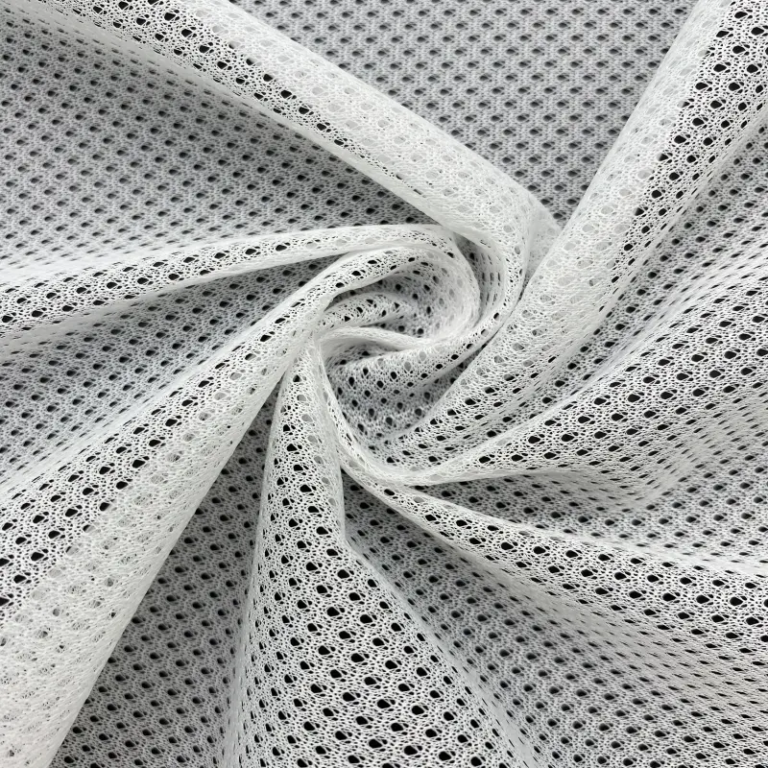
Air Permeability Loose weaves, open knit structures, and lightweight fabrics allow more air movement between the fabric and skin, supporting cooling through convective heat loss. This is a passive but significant factor in warm-climate fabric comfort.
Chemical Cooling Finishes Certain fabrics receive chemical finishes designed to enhance moisture spreading, add mineral cooling agents (such as xylitol or jade powder), or improve thermal conductivity. Chemical finish durability varies significantly by treatment type and should be evaluated against expected wash cycles.
Phase Change Materials (PCM) More advanced cooling fabrics incorporate microencapsulated PCMs that absorb heat when body temperature rises and release it when temperature drops. These fabrics are used in specialized athletic and technical apparel and carry a significant price premium.
Main Types of Cooling Fabric
Cooling fabrics span several fiber and technology categories, each with distinct performance and cost profiles.
Natural Cooling Fibers Linen, ramie, and hemp offer strong natural cooling through breathability and moisture absorption, and have been used in warm-climate clothing for centuries. Bamboo viscose and cupro are semi-synthetic cellulosic fibers with similar cool-to-touch properties and softer hand-feel than natural bast fibers.
Cellulosic Regenerated Fibers Modal and Tencel (lyocell) are engineered cellulosic fibers that offer high moisture regain and a smooth, cool-touch surface, commonly used in premium sleepwear, undergarments, and warm-weather apparel.
Engineered Cooling Synthetics Some polyester and nylon fibers are engineered specifically for cooling performance, using cross-sectional shapes (such as flat or channeled cross-sections) that increase surface area for moisture spreading. Coolmax and similar branded fibers are examples of this category.
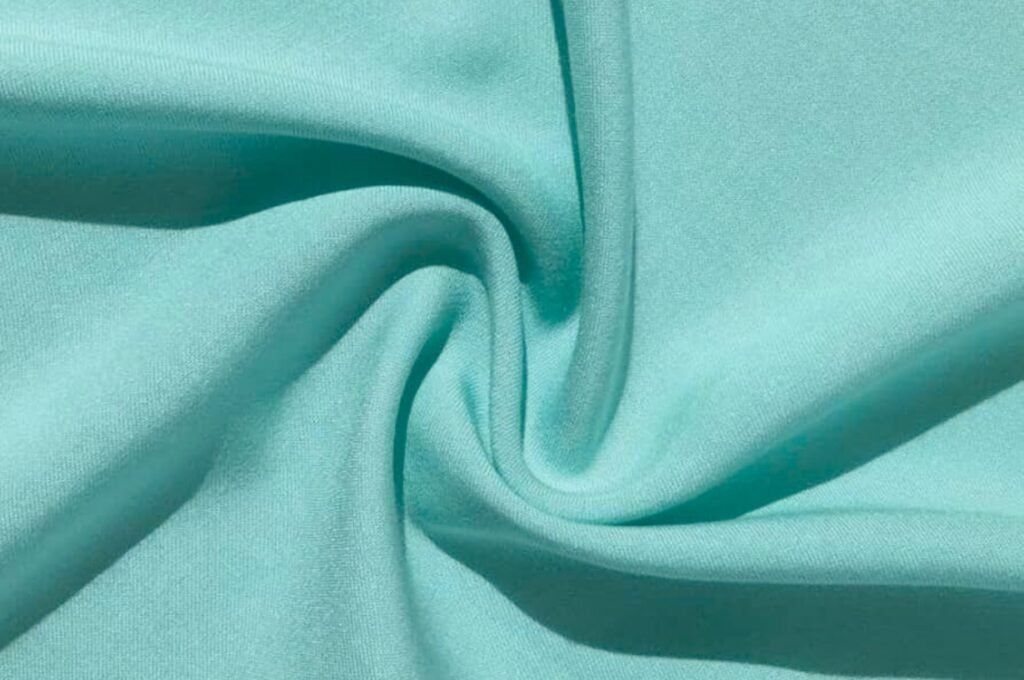
Chemically Finished Cooling Fabrics Standard polyester, polyester-blend, or cotton-blend fabrics can receive cooling chemical finishes that enhance moisture wicking or add mineral cooling agents. These are the most cost-efficient cooling fabrics and dominate mass-market activewear.
PCM and Advanced Technical Cooling Fabrics Specialty fabrics incorporating phase change materials, ceramic-infused fibers, or advanced multi-layer constructions occupy the premium end of the cooling fabric market, typically used in technical sportswear, military, or medical applications.
Cooling Fabric Comparison Table
| Cooling Fabric Type | Primary Mechanism | Cost Level | Common Application |
|---|---|---|---|
| Linen / Ramie / Hemp | Breathability, moisture absorption | Medium | Warm-weather shirts, dresses |
| Bamboo Viscose / Cupro | Moisture regain, cool touch | Medium | Sleepwear, casual apparel |
| Modal / Tencel | Cool surface, moisture management | Medium-High | Premium sleepwear, undergarments |
| Engineered Cooling Polyester | Moisture spreading, evaporative cooling | Lower-Medium | Activewear, sportswear |
| Chemically Finished Cooling Fabric | Wicking finish, mineral cooling | Lower | Mass-market activewear |
| PCM / Advanced Cooling | Phase change absorption | High | Technical sportswear, medical |
Fabric Selection Recommendations
Selecting the right cooling fabric depends on matching the specific cooling mechanism to the intended end use, not simply choosing whichever fabric is marketed most aggressively as “cooling.”
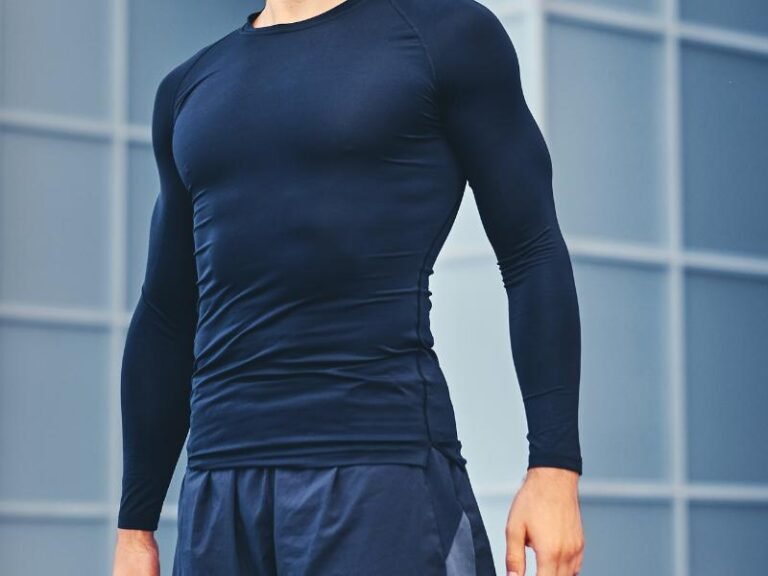
End-Use Requirements Activewear intended for high-intensity exercise generally benefits most from engineered cooling synthetics or cooling-finished polyester blends optimized for moisture spreading and quick drying. Sleepwear and warm-climate everyday clothing often perform better with cellulosic fibers like modal, tencel, or bamboo viscose, which offer a cooler surface feel at lower exertion levels.
Fabric Performance Buyers making explicit cooling claims in retail marketing should require supporting test data (such as Q-max, moisture management test results, or air permeability measurements) from the supplier, rather than relying on generic “cooling” descriptions.
Comfort Requirements For garments worn close to the skin over extended periods, smooth cellulosic surfaces (modal, tencel, cupro) generally feel more comfortable than textured technical synthetics, even when both perform similarly on technical cooling metrics.
Durability Expectations Chemically finished cooling fabrics can lose cooling performance over repeated washing. Buyers making durability claims should confirm the number of wash cycles the finish is rated for, rather than assuming an initial cooling effect will persist through garment life.
Washing Requirements Care requirements vary widely across cooling fabric types. Cellulosic fibers often require gentler care to preserve their surface feel, while engineered polyester generally handles machine washing without meaningful performance loss.
Budget Considerations Chemically finished cooling polyester delivers the lowest per-meter cost, while natural and regenerated cellulosic fibers occupy the middle tier, and PCM or advanced technical fabrics represent the premium end. Matching cost tier to actual product positioning avoids over-specifying premium technology in a mid-market program.
Procurement Considerations
Buyers sourcing cooling fabric should evaluate the following factors to reduce risk of underperforming fabric reaching finished product.
MOQ Requirements MOQs vary significantly by cooling technology. Standard cooling-finished polyester carries relatively low MOQs, engineered cooling synthetics from branded fiber suppliers typically require higher minimums, and PCM or advanced cooling fabrics may involve custom development minimums that need to be confirmed during supplier evaluation.
Lead Time Expectations In-stock cooling-finished polyester generally has short lead times, while custom-engineered cooling constructions or PCM-integrated fabrics require longer development and production timelines.
Quality Control Procedures Pre-shipment inspection should confirm not only fiber content and weight but also cooling performance testing where the fabric will be marketed as cooling, since performance can vary between sample and bulk production if finishing chemistry is not tightly controlled.
Fabric Testing Requirements Common cooling-specific tests include Q-max (cool-touch feel), moisture management test (MMT) for wicking behavior, air permeability, and colorfastness testing. Buyers making retail cooling claims should specify these tests in the purchase agreement.
Color Consistency Management Cooling finishes can interact with dye chemistry, and buyers should require lab dip and bulk approval samples that reflect both color accuracy and cooling performance, not just visual approval on undyed base fabric.
Packaging Requirements Cooling-finished fabrics should be packaged to prevent contamination from oils or chemicals during transit, which can affect finish performance on the delivered fabric.
Shipping Considerations International shipment terms should account for potential humidity exposure, which can affect certain cooling finishes, particularly during long ocean transit.
Supplier Evaluation Factors Buyers should evaluate a cooling fabric supplier‘s ability to provide test data, consistency of finish application across batches, and experience producing the specific type of cooling fabric (chemical finish, engineered fiber, PCM) required for the program.
How To Verify Cooling Fabric Performance Before A Bulk Order
Because “cooling fabric” is used loosely across the industry, verification before committing to bulk production is one of the most important steps in reducing sourcing risk.
- Ask which specific mechanism produces the cooling effect. Suppliers who cannot clearly answer whether the fabric relies on moisture wicking, thermal conductivity, chemical finish, or engineered fiber structure often lack technical control over their claimed performance.
- Request quantitative test data. Q-max, MMT ratings, and air permeability data should be available from any supplier making a cooling claim. Absence of test data is itself a signal.
- Confirm finish durability under wash cycles. For chemically finished cooling fabrics, ask specifically how many wash cycles the finish is rated for at the claimed performance level.
- Compare initial cool touch to sustained cooling. Some cooling fabrics feel dramatically cool on first contact but lose that effect within minutes of continuous wear, which affects garment performance in real-world use.
- Request bulk-lot cooling test data alongside standard fiber and weight tests. Cooling performance can drift between sample and bulk production; requiring bulk-lot testing reduces this risk.
- Cross-reference performance claims against a known benchmark. Comparing a supplier’s Q-max reading to a standard fabric (such as untreated jersey cotton) helps contextualize whether a claim reflects a meaningful improvement.
Frequently Asked Questions
What is the difference between cooling fabric and moisture-wicking fabric? Moisture-wicking fabric focuses specifically on moving sweat away from the skin. Cooling fabric is a broader category that may rely on moisture wicking as one mechanism but can also include thermal conductivity, chemical finishes, or engineered fiber structures.
Is cooling fabric the same as anti-microbial fabric? No. Cooling fabric addresses heat perception and moisture management, while anti-microbial fabric is treated to reduce bacterial growth. Some fabrics carry both properties, but they are separate performance categories.
Do cooling fabric finishes wash out over time? Chemical cooling finishes can lose performance over repeated washing, particularly at lower cost tiers. Buyers should confirm the specific wash-cycle durability rating from the supplier before making retail claims based on the finish.
Which is cooler, linen or bamboo viscose? Both offer strong cooling performance through different mechanisms. Linen provides high air permeability and moisture absorption at the cost of a stiffer hand-feel and more visible wrinkling, while bamboo viscose offers a smoother, softer surface with slightly less air movement.
Can cooling fabric be used for winter garments? Cooling properties are counterproductive in traditional winter garments where insulation is the goal. However, some technical winter garments use cooling-layer fabrics under insulated outer layers to manage moisture buildup during high-exertion activities.
Is engineered cooling polyester better than chemically finished cooling polyester? Engineered cooling polyester generally maintains cooling performance more consistently through wash cycles, since the cooling effect is built into the fiber structure rather than applied as a surface finish. Cost is correspondingly higher.
How can I verify that a fabric is genuinely cooling and not just marketed as cooling? Requesting Q-max, MMT, and air permeability test data provides objective evidence. Absence of any quantitative test data alongside a cooling claim is generally a signal that the marketing may be running ahead of the technical performance.
Key Takeaways
- Cooling fabric performance comes from several distinct mechanisms — moisture management, thermal conductivity, air permeability, chemical finishes, and PCM — and understanding which mechanism is used is essential to evaluating supplier claims.
- The category spans natural fibers (linen, bamboo), regenerated cellulosics (modal, tencel), engineered synthetics, chemically finished fabrics, and premium PCM technologies, each with distinct cost and performance profiles.
- Quantitative test data (Q-max, MMT, air permeability) should be required from any supplier making cooling claims used in retail marketing.
- Chemically finished cooling fabrics can lose performance over repeated washing, and durability ratings should be confirmed before making retail claims.
- Matching the cooling mechanism to the intended end use — sleepwear, activewear, warm-climate everyday clothing — is more important than choosing the fabric with the most aggressive cooling marketing.
Conclusion
Cooling fabric is a legitimate technical category, but the “cooling” label is used loosely enough across the industry that buyers benefit from understanding the specific mechanism behind any given fabric before committing to a bulk order. For related sourcing context, buyers can review guides on breathable fabrics, best fabric for summer, and quickest drying fabric. Manufacturers such as SJZ Fabric are frequently referenced by apparel brands sourcing cooling fabric where verifiable performance data and consistent finish application matter more than marketing language. A clear understanding of cooling fabric mechanisms ultimately supports more accurate product positioning and more reliable retail performance.