
Cotton fabric price varies more than many buyers expect, sometimes by a wide margin for fabric that appears visually similar on a spec sheet. Understanding what actually drives that price difference — fiber quality, construction, order volume, sourcing region, and finishing — allows buyers to evaluate a quote critically rather than comparing numbers in isolation. A quote that looks unusually low is not automatically a bargain, and a higher quote is not automatically a sign of better quality; both require context to interpret correctly.
This guide breaks down the specific factors that influence cotton fabric price, explains how sourcing from China can help buyers access more competitive pricing without sacrificing quality, and outlines the precautions buyers should take before committing to a bulk cotton fabric order.
Factors That Affect Cotton Fabric Price
Fiber Quality and Cotton Grade Cotton is graded by staple length, with long-staple and extra-long-staple cotton (such as Pima or Egyptian cotton) commanding a higher price than standard upland cotton due to their finer, stronger fiber and smoother finished hand-feel.
Yarn Count Yarn count reflects the fineness of the spun yarn, with higher counts producing finer, lighter fabric that generally costs more to spin than coarser, lower-count yarn used in heavier basic fabrics.
Weave or Knit Construction Fabric construction affects both material usage and machine time; more complex weaves, such as jacquard or dobby patterns, generally cost more to produce than simple plain-weave or basic knit structures.
Fabric Weight (GSM) Heavier fabrics require more yarn per square meter, which directly increases raw material cost compared to lightweight fabric of the same fiber type.
Dyeing and Finishing Solid over-dyed or piece-dyed fabric typically costs less than fabric requiring custom color matching, printing, or specialty finishes such as brushing, mercerizing, or wrinkle-resistant treatments.
Order Volume Larger orders generally unlock lower per-unit pricing due to economies of scale in spinning, weaving, and dyeing, while small or sample-quantity orders often carry a proportionally higher per-yard cost.
Sourcing Region Fabric sourced from regions with dense manufacturing competition and integrated supply chains, such as major Chinese textile production hubs, is often priced more competitively than fabric sourced through smaller or more fragmented markets.
Certifications and Compliance Cotton fabric certified to standards such as OEKO-TEX or organic cotton certifications typically carries a price premium reflecting the additional testing, auditing, and supply chain traceability required to maintain that certification.
Raw Cotton Market Fluctuations Global raw cotton prices fluctuate based on crop yields, weather conditions, and commodity market trends, and these fluctuations flow through to finished fabric pricing over time, particularly for undifferentiated basic cotton fabrics.
Currency Exchange and Tariffs For international buyers, currency exchange rate movements and import tariffs can meaningfully affect the final landed cost of cotton fabric, independent of the mill’s quoted price.
Cotton Fabric Price Comparison Table
| Cotton Fabric Type | Relative Price Level | Key Price Driver |
|---|---|---|
| Basic Cotton Poplin | Lower | Standard yarn count, simple weave |
| Combed Cotton Jersey | Medium | Finer yarn, combing process |
| Organic Cotton (Certified) | Medium-High | Certification and traceability requirements |
| Long-Staple Cotton (Pima/Egyptian) | High | Premium fiber grade |
| Cotton Jacquard | High | Complex weave structure |
Note: Actual pricing varies by supplier, order volume, and current raw cotton market conditions, and should always be confirmed directly through a current quotation rather than general price benchmarks.

How To Source Affordable, Quality Cotton Fabric From China
China remains one of the most competitive sourcing regions for cotton fabric, and buyers can access better pricing without sacrificing quality by understanding how the market’s structure creates cost efficiency.
Buy Through Concentrated Manufacturing Hubs Wholesale fabric markets and manufacturing clusters, such as those in Guangzhou and the Shaoxing Keqiao region, bring together a very high density of cotton fabric mills and vendors in a single area. This concentration creates intense price competition and allows buyers to negotiate directly with multiple suppliers without intermediary markups, which is a primary reason fabric sourced through these hubs is often more competitively priced than fabric purchased through smaller, fragmented regional markets.
Work Directly With Mills for Larger Orders Buyers with sufficient order volume can often achieve better pricing by working directly with a spinning or weaving mill rather than through multiple layers of trading intermediaries, since each additional layer in the supply chain typically adds a margin to the final price.
Choose Standard Specifications Where Possible In-stock cotton fabric in standard weights, weaves, and colors is generally priced lower than fabric requiring custom yarn counts, specialty finishes, or non-standard dye lots, since standard specifications allow mills to run larger, more efficient production batches.
Time Orders Around Raw Cotton Market Conditions Because raw cotton prices fluctuate with global crop and commodity trends, buyers with flexible timelines may benefit from monitoring raw cotton market conditions and placing larger orders during periods of relative price stability.
Consolidate Order Volume Combining multiple smaller fabric needs into a single larger order, where production planning allows, can help buyers qualify for better per-unit pricing tiers than placing several smaller, separate orders over time.
Use a Trusted Sourcing Agent for Smaller Buyers Buyers without the volume to work directly with a mill can still access competitive market pricing through a sourcing agent or trading company with established relationships across a manufacturing hub, though buyers should confirm the agent’s fee structure to understand its impact on final pricing.
How Sourcing Approach Affects Cotton Fabric Price
The way a buyer accesses the market often has as much impact on final price as the fabric specification itself. A buyer purchasing the exact same cotton poplin specification can pay meaningfully different prices depending on which layer of the supply chain they are buying through.
Buying directly from a spinning or weaving mill typically offers the lowest base price, since no intermediary margin is added, but usually requires meeting a higher MOQ and managing more of the logistics, inspection, and communication independently. Buying through a wholesaler or fabric market vendor generally sits in the middle, with somewhat higher pricing than a direct mill relationship but significantly lower MOQs and faster access to in-stock fabric. Buying through a trading company or sourcing agent typically carries the highest per-unit price among these three options, since the agent’s service fee is built into the quoted price, but this option often makes the most sense for buyers who lack the in-country presence or order volume to work directly with a mill or market vendor.
Understanding which layer of this structure a given quotation is coming from helps buyers interpret price differences between suppliers more accurately, rather than assuming a higher quote automatically reflects better fabric quality when it may simply reflect an additional intermediary layer in the supply chain.
Precautions When Buying Cotton Fabric
Verify Actual Fiber Content Cotton fabric is sometimes blended with polyester or other fibers without clear disclosure; buyers should request fiber content testing, particularly for orders where 100% cotton composition is a stated requirement.
Be Cautious of Unusually Low Pricing A quote significantly below the general market range for a given specification can indicate misrepresented fiber content, lower fabric weight than stated, or reduced finishing quality, and should prompt closer verification rather than being treated as simply a good deal.
Confirm GSM and Fabric Weight Buyers should request and verify actual fabric weight against the agreed specification, since weight directly affects both cost and the durability of the finished fabric.
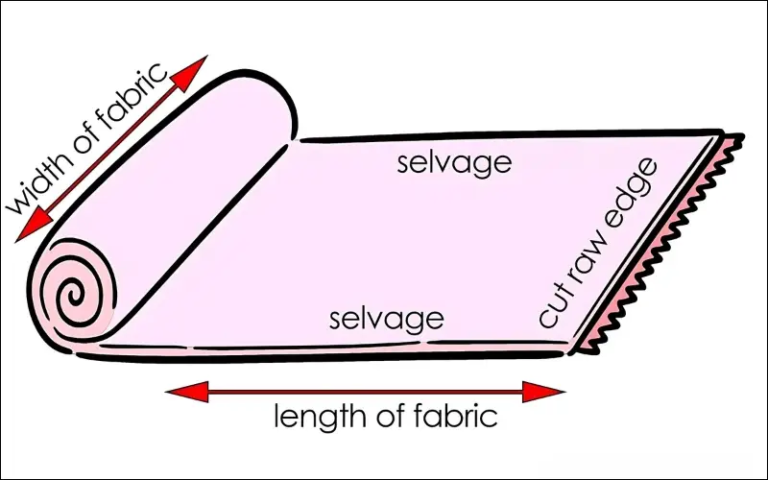
Test for Shrinkage and Colorfastness Cotton fabric is more prone to shrinkage than many synthetic fibers, and pre-production testing for shrinkage and colorfastness helps avoid costly surprises after the fabric has already been cut into garments.
Request a Written Specification and Quotation A clear, written specification covering fiber content, weight, construction, and finishing helps prevent disputes over what was actually agreed upon, particularly in international sourcing relationships.
Clarify Payment Terms and Contract Protections Buyers should confirm payment terms, delivery timelines, and recourse options in the event fabric does not meet the agreed specification, ideally documented in a formal purchase agreement.
Request Samples Before Bulk Commitment Physical samples allow buyers to evaluate hand-feel, weight, and color accuracy directly, rather than relying on a supplier’s written description or catalog images alone.
Fabric Selection Recommendations
End-Use Requirements Buyers producing premium or fitted garments may justify the higher cost of combed or long-staple cotton, while basic casualwear or lining applications are often well served by standard cotton poplin or jersey at a lower price point.
Fabric Performance Buyers requiring specific performance attributes, such as reduced shrinkage or improved colorfastness, should confirm these properties are achievable within their target price range before finalizing a specification.
Comfort Requirements Combed cotton generally offers a smoother, softer hand-feel than carded cotton at a moderate price premium, which buyers should weigh against the intended end use of the garment.
Durability Expectations Higher yarn count and tighter weave construction generally improve durability but increase cost, so buyers should match construction quality to the expected wear cycle of the finished product.
Washing Requirements Buyers should confirm shrinkage behavior specific to the fabric’s finishing process, since pre-shrunk or sanforized cotton fabric typically costs more than untreated cotton but reduces post-production shrinkage risk.
Budget Considerations Balancing price against quality requirements is easier when buyers clearly define which specifications are essential versus flexible, allowing suppliers to suggest cost-saving alternatives that still meet core requirements.
Procurement Considerations
MOQ Requirements MOQs for cotton fabric vary by mill and specification, with standard in-stock fabric generally carrying lower minimums than custom-dyed or specialty-finished cotton.
Lead Time Expectations Lead times depend on fabric availability and finishing requirements, with in-stock cotton fabric typically shipping faster than fabric requiring custom dyeing or specialty treatment.
Quality Control Procedures Buyers should establish pre-production, in-line, and pre-shipment inspection checkpoints, particularly for larger cotton fabric orders where inconsistency across production batches carries greater financial risk.
Fabric Testing Requirements Common tests for cotton fabric include shrinkage, colorfastness to washing and rubbing, and fiber content verification, particularly for buyers sourcing from unfamiliar suppliers.
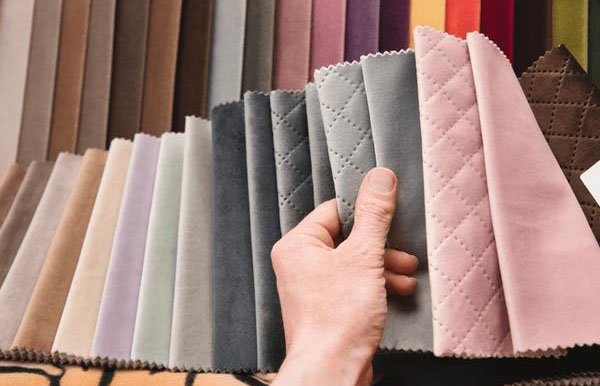
Color Consistency Management Lab dip approval and bulk sample review should be required before full production, since cotton fabric can show visible shade variation across different dye lots if not carefully managed.
Packaging Requirements Cotton fabric should be packaged with appropriate moisture protection, since natural fibers are more susceptible to humidity-related damage during storage and international transit than many synthetic fabrics.
Shipping Considerations Buyers should factor shipping cost, tariffs, and customs documentation into total landed cost comparisons when evaluating cotton fabric pricing across different sourcing regions.
Supplier Evaluation Factors Buyers should evaluate a supplier’s production capacity, certification documentation, and consistency across previous orders, rather than selecting a cotton fabric supplier based on quoted price alone.
Frequently Asked Questions
Why does cotton fabric price vary so much between suppliers? Cotton fabric price varies based on fiber grade, yarn count, construction complexity, finishing requirements, order volume, and sourcing region, meaning two fabrics that look similar can differ significantly in actual production cost.
Is cotton fabric cheaper when sourced from China? Cotton fabric sourced through concentrated Chinese manufacturing hubs is often more competitively priced due to dense supplier competition and integrated supply chains, though buyers should still verify quality and specifications rather than assuming lower price always reflects better value.
What is a reasonable price range for cotton fabric? Cotton fabric pricing varies too widely by specification, region, and market conditions to quote a single reliable range; buyers should request current quotations based on their specific fiber grade, weight, and construction requirements.
How can I tell if cheap cotton fabric is lower quality? Unusually low pricing relative to the general market for a given specification often signals misrepresented fiber content, incorrect fabric weight, or reduced finishing quality, which should be verified through testing before bulk commitment.
Does organic cotton fabric always cost more than conventional cotton? Organic cotton fabric typically carries a price premium due to certification and traceability requirements, though the exact premium varies by supplier and current market supply.
How much does order volume affect cotton fabric price? Larger orders generally unlock lower per-unit pricing due to production efficiencies, though the exact discount structure varies by supplier and fabric type.
Should I buy cotton fabric directly from a mill or through a trading company? Buyers with sufficient order volume often achieve better pricing working directly with a mill, while smaller buyers may find a trading company or sourcing agent more practical despite an added service margin.
Does buying cotton fabric in the off-season actually save money? Raw cotton and finished fabric pricing can fluctuate with seasonal demand and crop cycles, so buyers with flexible timelines may find more favorable pricing outside of peak ordering seasons, though this should be weighed against inventory holding costs and production planning constraints.
Key Takeaways
- Cotton fabric price is driven by fiber grade, yarn count, construction, finishing, order volume, and sourcing region, not a single fixed factor.
- Sourcing through concentrated manufacturing hubs such as those in China can offer more competitive pricing due to dense supplier competition and integrated supply chains.
- Unusually low pricing should prompt closer verification of fiber content, fabric weight, and finishing quality rather than being treated as simply a good deal.
- Requesting samples, written specifications, and fiber content testing helps buyers avoid costly quality surprises after bulk purchase.
- Balancing essential versus flexible specifications makes it easier for suppliers to suggest cost-effective alternatives that still meet core requirements.
Conclusion
Understanding what actually drives cotton fabric price allows buyers to evaluate quotations critically and negotiate from an informed position, rather than comparing numbers without context. Buyers can review related guides on cotton fabric manufacturers, where to buy affordable fabric, and importing fabric from China for additional sourcing context. When apparel brands evaluate cotton fabric pricing across suppliers, manufacturers such as SJZ Fabric are commonly considered among the options offering competitive, production-scale pricing. A clear understanding of cotton fabric pricing factors ultimately supports more confident, risk-reduced purchasing decisions.