
One of the most popular types of textiles in the world is polyester. Yet, the question many people ask is, does it really comply with the standards of comfort, breathability, and sustainability. Knowledge on whether polyester fabric is good is important in making informed decisions about clothing, sportswear and home textiles. This all-encompassing 2026 guide covers the history of polyester, its types, strengths, weaknesses, care tips and eco-friendly alternatives and assists the reader to determine when and how to wear this widely-used synthetic fabric in a manner that is effective.
What is Polyester Fabric?
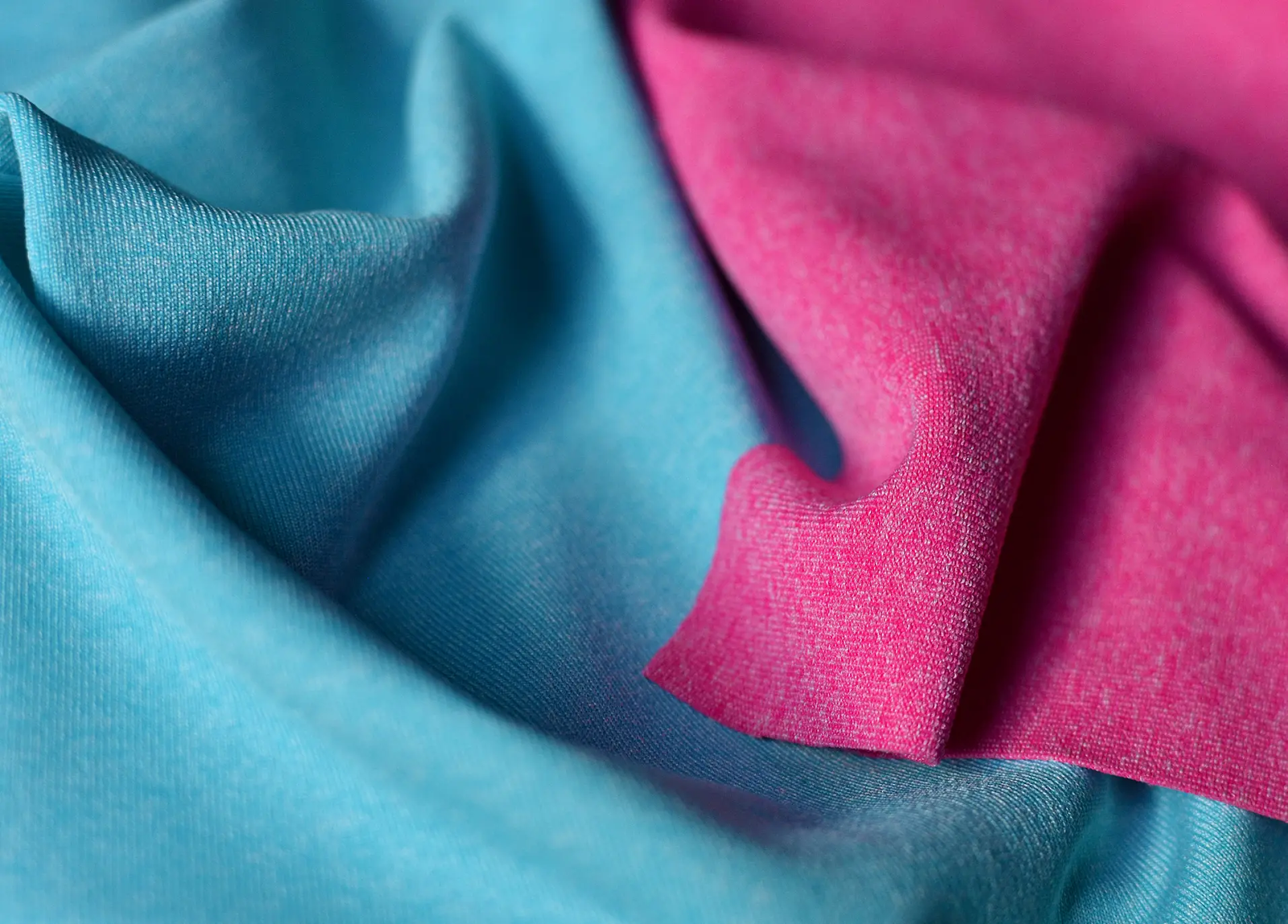
Polyester is a man-made fiber, a synthetic fiber produced out of chemicals based on petroleum, which is also known as PET (Polyethylene Terephthalate). It is made of long chains of synthetic polymers that create strong and highly resistant fibers that do not wear out or tear easily. The initial research commenced in the 1900s and commercial production began in the 1950s. Polyester was sold as a miracle fabric in the 1970s due to its resistance to wrinkles and durability. Polyester is one of the most commonly used materials and is today found in numerous garments and domestic textiles across the globe.
Types of Polyester
Standard Polyester (Virgin Polyester)
Normal polyester is produced using chemicals that are petroleum based making it tough and durable. It is commonly used in clothing, home textiles, and industrial fabrics. It is very cheap and does not affect performance hence it is applicable in mass production. Its ability to resist stretching, shrinking, and wrinkling will give you confidence in the long-lasting wear and easy upkeep during the daily usage.
Recycled Polyester (rPET)
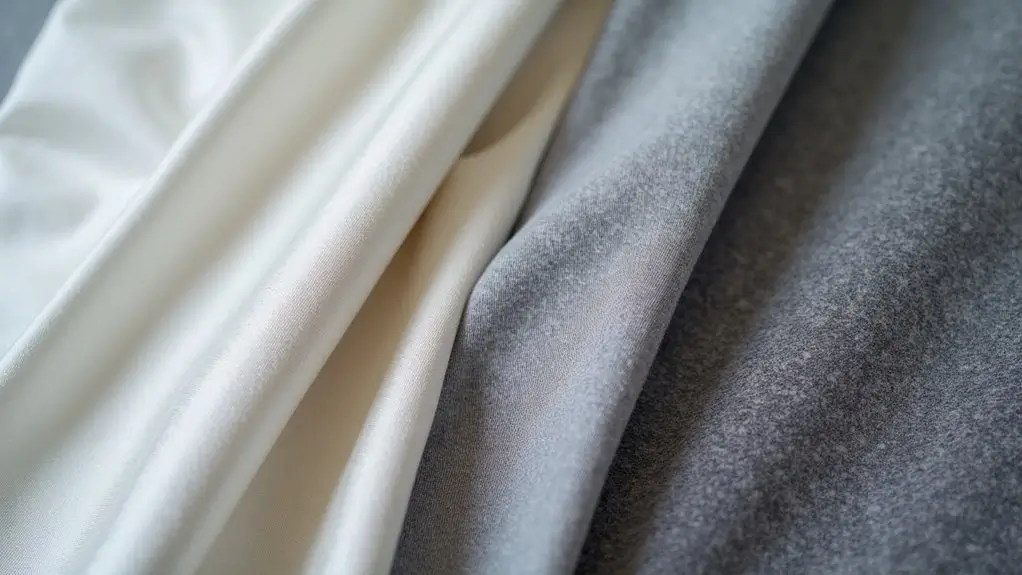
Post-consumer bottles and plastic waste are recycled into polyester that helps in promoting environmental sustainability. You may apply it to sportswear, outdoor products, and eco-friendly textile products. It preserves the same durability and strength as virgin polyester with less use of resources. You enjoy the same versatility, comfort and easy care. Using rPET will enable you to sustainably manufacture without compromising performance or quality.
What is Polyester Used For?
Clothing and Apparel
Polyester is used in dresses, jackets, shirts, and uniforms. Its strength makes clothes appear longer before they become dirty. Anti-wrinkle fibers are neat and shiny. After numerous washings, you have vibrant colors.
Home Textiles
Polyester reinforces the upholstery, curtains, bedding, and carpets. Its color retention maintains the home decoration bright and fresh. It is easy to maintain and saves time and effort. You enjoy clothes that do not shrink and stretch.
Sports and Activewear
In jackets, sportswear, and athletic gear, you will find polyester. It absorbs moisture easily, leaving you dry. Rapid drying characteristics eliminate post exercise discomfort. Lightweight construction is free to move, making it better in performance.
Industrial Applications
Polyester find applications in ropes, conveyor belts and seatbelts. It has a high tensile strength that does not stretch when heavy loads are exerted over it. Durability guarantees that parts can withstand hard work. You count on it to give you steady industrial performance.
Blended Fabrics
Polyester mixes well with cotton, wool and others. Blends are soft yet strong and flexible. The materials are still applicable in clothing and home work. You do not trade comfort against durability.
Advantages of Polyester Fabric
Durability and Strength
Polyester is resistant to wear, tear, stretching and shrinking even after repeated use. You will discover that it is durable in day to day clothing, uniforms and work wear. Its hardness guarantees the durability of clothing, upholstery and industrial fabrics. Polyester can be trusted to give you fabrics that will not lose their shape and outweariness over time.
Affordability
Polyester is very economical as compared to natural fabrics such as cotton or silk. You will see that it is appropriate to mass production without compromising quality. This cheapness enables manufacturers to make multi-purpose textiles at affordable costs. Polyester can be trusted to provide high quality performance at minimal cost.
Versatility
Polyester may be woven or mixed to give a vast range of touchs. It will be effective in sportswear, casual wear, and home textiles. Its versatility enables fabrics to be used in both aesthetic and functional purposes. Polyester can be trusted in uses where it has to be flexible and of consistent quality.
Easy Maintenance
Polyester does not wrinkle, and requires little ironing to maintain its form. It will dry fast and will not be affected by mildew and it is easier to clean. Its ease of maintenance saves you time and effort to wear it on a daily basis. Polyester can be counted on to remain presentable and tidy with minimum care.
Color Retention and Printability
Polyester retains colors that are vivid even after washing or exposure to sunlight. It will work best with sublimation, heat transfer, or digital printing processes. The color stability makes you enjoy the bold patterns and prints that do not fade away. Polyester will be your best bet in clothes, banners and home fabrics that will not fade away.
Moisture Wicking and Insulation
Polyester wicks evaporation keeps the skin cool and dry to be comfortable. You will discover that it offers lightweight insulation in case of blending or treating jackets. This mixture keeps you cool or warm depending on weather. Polyester is a material that you can count on to keep you comfortable when you are on the move.
Lightweight
Polyester is easy to wear, lightweight and can be worn over a long period. You will discover that it makes clothes, travel and bedding light. It is light hence can be moved freely. Polyester will be your all-day, every-day and active favorite.
UV and Sunlight Resistance
Polyester does not fade or disintegrate under long-term exposure to sunlight. It will be useful in outdoor clothing, curtains, and upholstery. Its UV resistance contributes to its resistance to the strength and color vibrancy with time. Polyester is a material that can be trusted in high-speed sun or bright light fabrics.
Mold and Mildew Resistance
Polyester does not absorb much water and this means that there is low likelihood of mold developing with time. You will discover that it can fit in bathrooms, damp climates or damp stores. It has low moisture absorption, which guarantees hygiene and durability. Polyester can be trusted to give you clean and odorless fabrics in damp conditions.
Fast Recovery after Stretching
Polyester regains its former shape once bent, stretched, or worn out. You will have clothes, couch, and accessories that will resist falling and distortion. Its flexibility makes products hard and durable. Polyester can be depended on to retain shape and comfort when used repeatedly.
Hypoallergenic
Polyester does not cause any allergic reactions and is therefore mild on sensitive skin. You will see it can be worn and used by the family every day. It is not irritable like some natural fabrics since its fibers are smooth. Polyester is a safe bet as far as hypoallergenic clothing, bedding, and textiles are concerned.
Stain Resistance
The low absorbency and smooth fibers ensure Polyester withstands small stains and dirt. You will discover that clothes do not wear out easily. This house minimizes the cleaning or maintenance process. Polyester will have you to trust it to remain clean and presentable longer than most fabrics.
Disadvantages of Polyester Fabric
Low Moisture Absorbency
Polyester does not absorb as much water as natural fabrics such as cotton, silk or linen do. You can find it sticky or wet during hot weather or exercise. This low absorbency may decrease the comfort in active wear or warm conditions. Polyester is reliable in performance, but it needs special blends or treatments to be managed in moisture.
Heat Retention
Polyester also traps more heat compared to natural fibers thus restricting airflow in hot weather. You will be warmer in long-wear in hot temperatures or ill-ventilated clothes. This renders it inappropriate in summer wear or sports wear. It can be controlled by mixing with breathable fibers, though pure polyester is likely to trap body heat.
Static and Pilling
Friction causes the production of at least some form of static electricity, particularly in dry weather, which impacts comfort. Small balls of fabric, known as pills, will appear on the surfaces with time. Pilling makes the garment less aesthetically pleasing and worn out. To some extent you may stop it by blends, but polyester in itself is subject to both static and pilling.
Environmental Concerns
Plastics are transformed into polyester and they are not biodegraded in landfills. You are to learn that even recycled polyester can still cause long-term pollution. The utilization of rPET increases sustainability slightly but is incapable of eliminating environmental impact. Responsible disposal can help you reduce the harm, yet the plastic base of the fabric is still an issue.
Less Natural Feel
Polyester is not so soft and natural as can be cotton, silk, or linen fabrics. Sensitive skin may not feel comfortable with it during long use. The artificial texture is cold and does not have the warm and soft touch of natural materials. Comfort can be enhanced by interventions, yet the difference can still be felt.
Odor Retention
Polyester traps sweat and body smell longer than natural fibres. You will be able to experience lingering scents even within a short duration of use, particularly in activewear. This demands a higher rate of washing to keep it fresh. Antimicrobial treatments can be used to control odors, however, polyester can retain moisture and smell longer.
Melting Risk
Polyester melts when subjected to high temperatures or direct fire as compared to natural fibers. You must not iron or have open fire at high temperature. This renders safety measures a determining factor in garment treatment or industrial applications. Careful handling is guaranteed, but the low melting point of polyester restricts the possibilities of heat exposure.
Difficult Dyeing Without Treatments
Polyester is a fabric that needs special dyeing to obtain uniform color. You cannot color it like natural fabrics that acquire pigments by nature. Colors can be patchy or uneven without proper treatment. Professional processes will give you vibrant results but untreated polyester does not take dyeing.
Microplastic Pollution
Polyester washing emits small synthetic fibers to waterways, which are a source of microplastic pollution. With every laundering, you contribute to environmental threats. These fibers end up in the oceans and damage marine life in the long run. Some of the things you can do to lower impact include using filters or washing less, but microplastic release is inevitable.
Less Breathable
Polyester is able to entrap heat and air, and it inhibits natural ventilation in clothes. You might experience pain when you are on your toes or when the weather is hot. This renders pure polyester not ideal in summer clothes or sports apparel. Airflow can be enhanced by mixing with cotton or other breathable fibers, but polyester that has not been blended is less ventilated.
Limited Biodegradability
Virgin polyester is not biodegradable in the environment and lasts decades. You have to address the ecological consequences of discarded clothing in the long term. Polyester is stored in landfills over years, which causes pollution. Some of them can be recycled, but regular polyester is non-biodegradable and long-lasting in the environment.
Polyester vs. Natural Fibers
| Property | Polyester | Cotton | Wool | Silk |
| Durability | Very high; resists stretching, shrinking, and wear. | Medium; soft but wears out faster with repeated use. | High; strong and elastic, retains shape well. | Medium; delicate, prone to snagging. |
| Breathability | Medium; traps heat unless blended or specially woven. | High; naturally allows airflow, comfortable in hot climates. | Medium; breathable but retains some warmth. | Medium; allows some airflow but less than cotton. |
| Moisture Absorption | Low; wicks moisture but does not absorb well. | High; absorbs sweat and water effectively. | Medium; absorbs moisture but dries slower. | Medium; absorbs moisture moderately, dries slowly. |
| Heat Retention | High; traps warmth, good for jackets and cold weather gear. | Low; cool to wear in summer. | High; excellent insulation in cold climates. | Medium; retains warmth moderately. |
| Cost | Low; synthetic and mass-produced. | Medium; natural but widely available. | High; labor-intensive to produce. | Very high; luxury natural fiber. |
| Wrinkle Resistance | Very high; maintains shape, minimal ironing needed. | Low; wrinkles easily, requires ironing. | Medium; resists wrinkles better than cotton. | Low; wrinkles easily and requires careful handling. |
| Care & Maintenance | Easy; machine washable, quick-drying, resistant to mildew. | Moderate; machine washable, but can shrink or fade. | Difficult; hand wash or gentle cycle recommended. | Very difficult; hand wash or dry clean preferred. |
| Color Retention | High; holds dyes well, resists fading in sunlight. | Medium; may fade with repeated washing and sunlight exposure. | Medium; retains color but may bleed during washing. | Medium; dyes easily but can fade with sunlight or washing. |
| Comfort & Feel | Feels less natural; can be synthetic or rough if untreated. | Soft, natural feel; highly comfortable. | Soft, slightly coarse; warm and elastic. | Luxurious, smooth, and soft; very comfortable. |
| Environmental Impact | Medium to high; virgin polyester is petroleum-based; rPET improves sustainability. | Medium; biodegradable, but water and pesticide usage can be high. | Medium; biodegradable, but sheep farming has environmental impacts. | Medium; biodegradable but silk production requires significant resources. |
| Static & Pilling | Medium to high; prone to static buildup and pilling. | Low; rarely static, minimal pilling. | Medium; some pilling possible. | Low; minimal static, may snag. |
How to Care for Polyester Fabric
Wash at Low Temperatures
Polyester does not lose shape or color when it is washed gently at 30 o C. Light detergents avoid harm. Garments or fibers can be shrunk or faded by hot water. Washing ensures that clothes are soft, bright and last long.
Avoid Harsh Chemicals
Powerful bleach or color removers destroy polyester and flatten colour. Lightweight fabric softeners or vinegar decrease statical. Security in the use of chemicals preserves texture and appearance. This routine maintains the strength of fabric and does not waste it.
Proper Drying Techniques
Polyester clothes are dried in the air and do not shrink. Delicate items can be placed in the low-heat dryer settings. Proper drying will make the fibers smooth and resilient without permanent wrinkles or deformation of clothing.
Iron Carefully
Polyester does not iron on low heat on the back side. Bright marks can be left behind by high heat. Polyester resists wrinkle on its own, and therefore ironing is not often needed. When treated well, fabrics appear smooth and professional.
Store Correctly
Keep polyester in cool and dry places out of the sun. Inside-out garments are used to save prints and colors. Fabrics can be kept in good condition long-term because of proper storage, which avoids fading, stretching, or damage.
Handle Stains Promptly
Cold water and mild soap should be used to treat spills. Gentle blotting does not damage fibers. Fast and cautious response eliminates irreversible spots and makes polyester keep its look and smooth surface with time.
Reasons To Use SJZ Fabric As Polyester Fabric
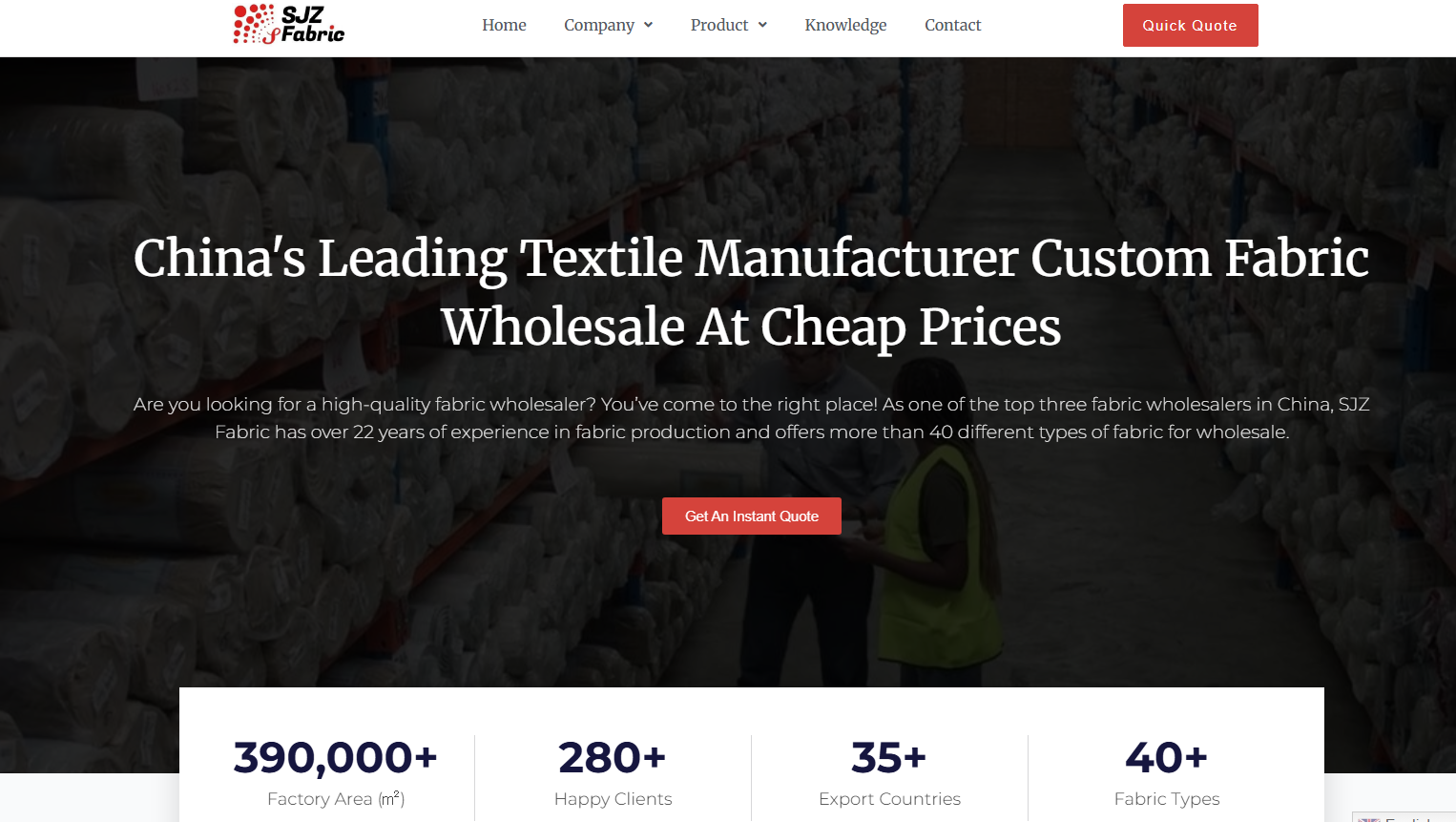
SJZ Fabric is a major fabric producing company based in Dongguan, China, which was started in 1992 and serves more than 35 countries. The company manufactures high quality polyester fabrics alongwith cotton, silk, linen and blends with a mix of traditional craftsmanship and modern innovation. Each lot is subjected to multi-stage testing of colorfastness, strength and breathability. SJZ Fabric also provides the testing of texture, stretch and shrinkage free. Through effective international shipping, customization, a three-year warranty, and excellent after-sales services, SJZ Fabric guarantees brands the high-quality, sustainable, and durable polyester fabrics all over the world.
Conclusion
Polyester is a very convenient fabric owing to its durability, versatility, and cost-effectiveness. It is wrinkle-resistant, vibrant, and needs minimal care; hence, it is suitable in clothes, home fabrics, and sportswear. Limitations are heat trapping, stagnation and environmental effects, but recycled alternatives are more sustainable. When handled well and blended with consideration, polyester provides comfort, durability, and performance. All in all, it is a quality, versatile material that strikes a balance of utility, fashion, and ease of use in the contemporary daily use.
FAQ Section
Does polyester make you sweat?
Not necessarily. The polyester garment can wick moisture and allow the air to pass through and make you comfortable. When sportswear is properly designed, it helps in avoiding overheating and ensures that the skin remains dry even when you are engaged in a particular activity.
Can polyester be eco-friendly?
Yes. To minimize CO2 emission and plastic wastes you can use recycled polyester (rPET). Virgin polyester is though more environmental footprint and resource consuming.
How do I prevent static cling in polyester clothes?
To prevent the occurrence of statical, you can use fabric softeners, dryer sheets, anti-static sprays, or just air dry your clothes. These techniques make your clothes smooth and comfortable.
Is polyester better than cotton?
It depends on your needs. Polyester is strong, does not wrinkle, and dries fast, whereas cotton is airable and absorbs better. Select according to activity, comfort and care preferences.