
OEKO-TEX, GOTS, and GRS are three of the most widely referenced textile certifications in global apparel sourcing, and they are also three of the most frequently confused. Buyers regularly encounter suppliers claiming to hold “OEKO-TEX certified fabric” or “GOTS organic cotton” or “GRS recycled polyester” without a clear understanding of what each certification actually covers, what it does not cover, and how they overlap or differ. That confusion carries real consequences: sourcing the wrong certification for a product’s intended retail claim can create compliance exposure, wasted premium costs, or downstream marketing disputes.
This guide breaks down what each certification actually verifies, how they differ in scope and cost, when each is genuinely required versus optional, and how buyers should think about which certification (or combination) fits a specific apparel program.
What Each Certification Actually Verifies
OEKO-TEX Standard 100 OEKO-TEX Standard 100 is a testing and certification system focused on product safety — specifically, whether a finished textile is free of harmful substances above defined limits. The scope is chemical: heavy metals, formaldehyde, pesticides, banned dyes, and other regulated substances. Certification is granted at the article level (each specific fabric or product tested and certified) and covers the physical fabric as delivered. It does not verify how the fabric was made, where the raw material came from, or whether workers were treated fairly during production.
GOTS (Global Organic Textile Standard) GOTS focuses on organic fiber content and full supply chain integrity for organic textiles. To carry the GOTS label, a fabric must contain at least 70% certified organic natural fibers (95% for “organic” grade), and every stage from field to finished product — spinning, weaving, dyeing, finishing, packaging, trading — must be certified under GOTS-compliant processes. GOTS also includes environmental criteria (restricted chemistry, wastewater treatment) and social criteria (labor conditions based on ILO conventions). It is significantly broader in scope than OEKO-TEX Standard 100, and correspondingly harder and more expensive to achieve.
GRS (Global Recycled Standard) GRS focuses specifically on recycled content and supply chain traceability for recycled materials. To carry the GRS label, a fabric must contain at least 50% certified recycled material (with defined thresholds for lower “recycled claim” tiers), and every processing stage must be audited to confirm the recycled content is real and traceable back to a certified source. Like GOTS, GRS includes environmental criteria (chemistry restrictions, wastewater treatment) and social criteria. GRS is most commonly associated with recycled polyester (rPET) from post-consumer PET bottles, but it also covers recycled cotton, nylon, and other materials.
Key Differences At A Glance
| Certification | Primary Focus | Applies To | Scope | Chain of Custody | Social Criteria |
|---|---|---|---|---|---|
| OEKO-TEX Standard 100 | Product safety (chemical testing) | Finished textiles | Article-level | Not required | Not covered |
| GOTS | Organic content + supply chain integrity | Natural fibers (organic) | Full supply chain | Required | Included (ILO-based) |
| GRS | Recycled content + supply chain traceability | Recycled fibers (any material) | Full supply chain | Required | Included |
What They Do NOT Cover (Common Misunderstandings)
OEKO-TEX Standard 100 Does Not Prove Organic Content A fabric can be OEKO-TEX Standard 100 certified while being made from conventional (non-organic) cotton or virgin polyester. Buyers who want to claim “organic” in retail marketing need GOTS certification, not OEKO-TEX.
OEKO-TEX Standard 100 Does Not Prove Recycled Content Similarly, OEKO-TEX certification does not verify recycled material origin. Recycled content claims require GRS (or a similar recycled content standard).
GOTS Does Not Apply to Synthetic Fibers GOTS is specifically for organic natural fibers. A polyester or nylon fabric cannot be GOTS certified regardless of how sustainably it is produced. Buyers looking for a synthetic-fiber sustainability certification should look at GRS or Recycled Claim Standard (RCS) instead.
GRS Does Not Verify Organic Content Recycled cotton certified under GRS is not organic. If a buyer wants both recycled and organic claims (which is uncommon but possible), separate certifications are needed.
None of the Three Directly Address Carbon Footprint None of these three certifications directly measure or certify carbon emissions or overall climate impact. Buyers making carbon-related claims typically need separate certifications or lifecycle assessment data.
OEKO-TEX vs GOTS vs GRS Cost Comparison
Certification cost is one of the most common questions buyers ask, and the honest answer is that costs vary significantly based on order volume, supplier certification status, and specific product complexity. However, some general patterns hold.
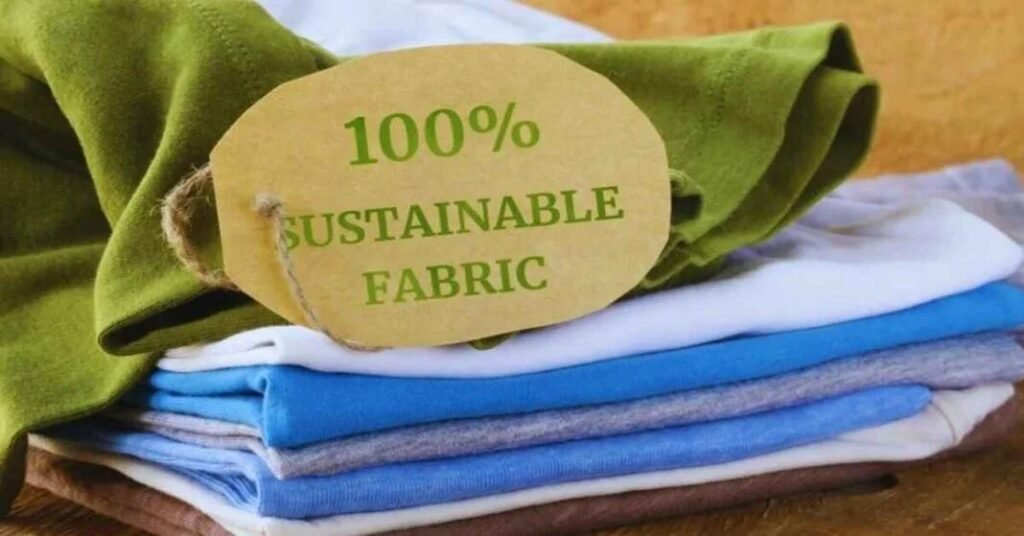
Direct Certification Cost For a supplier already certified, incremental cost for adding an OEKO-TEX Standard 100 certified article is generally the lowest of the three, because certification only requires product testing rather than full supply chain audit. GOTS and GRS carry higher certification costs because they require full chain-of-custody audits at every stage of production.
Fabric Price Premium Fabric carrying these certifications typically costs more than uncertified equivalent fabric, but the premium size varies:
- OEKO-TEX Standard 100 fabric: relatively modest premium over uncertified equivalent, because the underlying fiber and production process do not need to change — only chemistry compliance is verified.
- GOTS-certified organic cotton fabric: substantial premium, driven both by the cost of certified organic fiber and the audit-intensive supply chain requirements.
- GRS-certified recycled polyester fabric: moderate premium, driven by recycled feedstock cost and chain-of-custody audits, though the premium typically shrinks at higher order volumes.
Hidden Costs Beyond direct certification fees, buyers should factor in the cost of documentation management (transaction certificates, scope certificates), potential need for third-party verification, and the longer lead times often associated with certified production runs.
When Each Certification Actually Matters
Understanding when each certification is genuinely required — rather than nice-to-have — helps buyers avoid over-specifying premium certifications on programs that do not need them.
When OEKO-TEX Standard 100 Makes The Most Sense
- Baby clothing and infant textiles, where chemical safety is a widely expected retail baseline.
- Products sold into European markets where retailers commonly require OEKO-TEX or equivalent chemical safety certification.
- Undergarments, sleepwear, and other skin-contact products where consumers expect verified chemical safety.
- Any program where a buyer wants a straightforward, cost-efficient way to demonstrate chemical safety without full supply chain audit.
When GOTS Makes The Most Sense
- Products explicitly marketed as “organic” at retail, where GOTS is often the strongest recognized global standard.
- Premium natural-fiber apparel where full supply chain integrity supports brand positioning.
- Programs selling into retail channels or regions that specifically require GOTS certification (some European retailers, some specialty channels).
- Brands making full-supply-chain sustainability claims that go beyond product-level safety.
When GRS Makes The Most Sense
- Products marketed with recycled content claims, particularly recycled polyester activewear, outerwear, or accessories.
- Programs where downstream retailers require verified recycled content documentation.
- Brands making circular-economy or “made from recycled bottles” claims where documentation traceability matters.
- Programs sourcing recycled cotton, nylon, or other recycled materials that need verifiable chain of custody.
Can A Fabric Hold Multiple Certifications?
Yes, and this is more common than many buyers realize. A single fabric can carry OEKO-TEX Standard 100 alongside either GOTS or GRS, since OEKO-TEX addresses product safety while GOTS and GRS address content and supply chain. Some organic cotton fabrics carry both GOTS (for organic content and supply chain) and OEKO-TEX Standard 100 (for chemical safety testing). Similarly, some recycled polyester fabrics carry both GRS and OEKO-TEX Standard 100.
However, GOTS and GRS themselves are generally not paired on the same fabric, since GOTS applies to natural organic fibers and GRS applies to recycled fibers. A blended fabric using both organic natural fiber and recycled synthetic fiber can technically pursue both, but this is unusual and complex to certify.
Fabric Selection Recommendations
Selecting the right certification (or certifications) depends on the specific retail claim being made, target market requirements, and cost-benefit analysis for the program.
End-Use Requirements Retail-facing products with specific safety, organic, or recycled marketing claims should align certification choice with the specific claim. Baby products, for example, generally benefit more from OEKO-TEX than from GOTS unless the brand is specifically marketing organic.

Fabric Performance Certification does not directly affect fabric performance characteristics like drape, weight, or stretch. Buyers should not assume certified fabric will perform functionally better than uncertified equivalent fabric of the same construction.
Comfort Requirements Chemical-safety certification (OEKO-TEX) is more relevant to skin-contact comfort perception than certifications focused on content and supply chain (GOTS, GRS).
Durability Expectations Certifications do not directly address fabric durability. Wash-cycle durability, pilling resistance, and colorfastness should still be tested and specified separately.
Washing Requirements Care requirements are driven by fiber content and construction, not certification status. Certified organic cotton behaves like conventional cotton in terms of shrinkage and care.
Budget Considerations Where budget is constrained, focus certification investment on the specific retail claim being made rather than pursuing multiple certifications preemptively. Certifications that do not support a specific marketing claim add cost without a matching benefit.
Certification Sourcing Considerations
Buyers pursuing certified fabric should evaluate the following factors to reduce risk of documentation gaps or false certification claims.
MOQ Requirements Certified fabric MOQs are often higher than uncertified equivalents because mills producing certified fabric run smaller certified-material batches. Buyers should confirm MOQs specifically for certified production rather than assuming standard MOQs apply.
Lead Time Expectations Certified production runs typically require longer lead times than standard uncertified production, both for material sourcing and for chain-of-custody documentation.
Quality Control Procedures Standard fabric quality testing (shrinkage, colorfastness, tensile strength) still applies to certified fabric. Certification does not replace normal quality control.
Certification Documentation Requirements Buyers should require transaction certificates (TCs) for each shipment of GOTS or GRS material, in addition to the supplier’s scope certificate (SC). OEKO-TEX certified articles require the specific certification number, valid for the specific tested article.
Chain of Custody Verification For GOTS and GRS, chain of custody should be traceable from raw material through finished fabric. Buyers should be cautious of suppliers claiming certification without producing supporting documentation on request.
Certification Body Recognition Certifications should be issued by recognized certification bodies. Buyers should verify certification status directly on the certifying organization’s public database (OEKO-TEX and Textile Exchange, which administers GOTS and GRS, both maintain public certification directories).
Packaging and Labeling Requirements Certified fabric must be packaged and labeled according to the specific certification rules. Fabric that is otherwise compliant but is packaged or labeled incorrectly may fail certification audit at downstream stages.
Supplier Evaluation Factors Beyond price and quality, buyers should evaluate a supplier’s history with the specific certification, willingness to provide transaction-level documentation, and understanding of how the certification applies to their production process.
Frequently Asked Questions
Which is stricter, OEKO-TEX or GOTS? They address different things, so “stricter” is not a direct comparison. GOTS has broader scope (organic content, supply chain, chemistry, labor) and is harder to obtain. OEKO-TEX Standard 100 is narrower (chemical safety) but has more stringent chemistry testing thresholds than the chemistry portion of GOTS.
Is OEKO-TEX certified fabric organic? Not necessarily. OEKO-TEX Standard 100 certifies chemical safety, not organic content. Fabric can be OEKO-TEX certified while being made from conventional cotton or synthetic fiber.
Do I need both OEKO-TEX and GOTS on organic products? Not strictly required, but many organic-branded products carry both, using GOTS for the organic and supply chain claim and OEKO-TEX Standard 100 for the additional chemical safety verification.
Can recycled polyester be organic? No. “Organic” is a designation for naturally grown fibers (like cotton) that meet specific agricultural standards. Recycled synthetic fibers can carry GRS certification but not organic certification.
How do I verify a supplier’s certification claim? OEKO-TEX certifications can be verified through the OEKO-TEX Label Check tool on their official website. GOTS and GRS certifications can be verified through the Textile Exchange public certification database. Buyers should verify status independently rather than accepting a supplier’s claim alone.
Does GOTS or GRS certified fabric cost significantly more than uncertified fabric? GOTS typically carries a larger premium than GRS, though both carry meaningful premiums over uncertified equivalents. Exact premiums vary by fiber type, order volume, and current market conditions.
Are there other certifications I should consider alongside these three? Depending on the program, buyers may also encounter Bluesign (broader environmental focus), Recycled Claim Standard (RCS, less stringent than GRS), Organic Content Standard (OCS, less stringent than GOTS), and various fiber-specific certifications like Better Cotton (BCI). Each has its own scope and applicability.
Key Takeaways
- OEKO-TEX Standard 100 certifies product-level chemical safety; it does not verify organic content, recycled content, or supply chain conditions.
- GOTS certifies organic fiber content and the full supply chain for organic textiles, including environmental and social criteria; it applies only to natural fibers.
- GRS certifies recycled material content and traceability across the supply chain, including environmental and social criteria; it applies to any recycled material including polyester, cotton, and nylon.
- A single fabric can hold multiple certifications simultaneously (commonly OEKO-TEX + GOTS or OEKO-TEX + GRS), and this is often stronger than a single certification for brands making multi-dimensional sustainability claims.
- Selecting the right certification should align with the specific retail claim being made, target market requirements, and cost-benefit for the specific program rather than pursuing certifications preemptively.
Conclusion
OEKO-TEX, GOTS, and GRS are not interchangeable certifications, and treating them as equivalent creates real risk of mismatched retail claims, wasted premium spending, or compliance exposure. Buyers who understand what each certification actually verifies — chemical safety, organic content and supply chain, or recycled content and supply chain — are better positioned to specify the right certification for the right program. For related sourcing context, buyers can review guides on sustainable fabrics, synthetic fabrics vs natural organic fabrics, and textile fabric quality. Manufacturers such as SJZ Fabric are commonly consulted by apparel brands navigating certification requirements across different product categories and target markets. A clear grasp of what each certification covers ultimately supports more accurate retail positioning and more defensible sustainability claims.