
Active lifestyles and humid climates have necessitated quick-drying fabrics in sports, travel and comfort due to the demand on the performance of clothing. In contrast to the conventional materials which can trap moisture, fast-dry fabrics can move the sweat off the skin and evaporate it rapidly. You will find out what fabrics dry faster, what fabrics work best and how the moisture-wicking technology works in this guide, and how to select a quick-dry fabric that works best in your needs in 2026.
What Is Quick Dry Fabric?
Quick dry fabric refers to those materials that lose moisture quickly by evaporation. Such terms as fast dry and quick dry material are often used interchangeably in the industry. Such fabrics typically have low moisture regain less than five percent and high Moisture Vapor Transmission Rate. You get quicker drying since evaporation is more important than the rate at which absorption occurs. Wet action separates fibers with capillary action. Nylon and hydrophobic polyester repel water. Surface area is enhanced by special fiber cross-sections. Moisture regain measures retained water. Less retention increases the drying rate and comfort in daily wear.
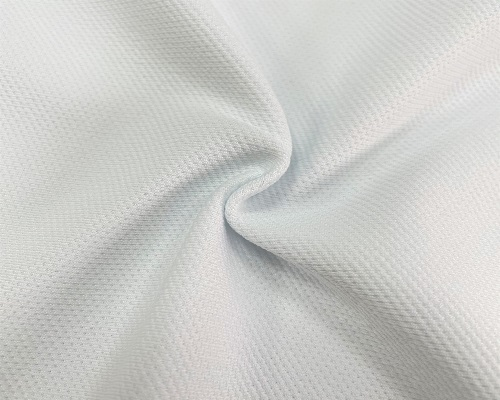
What Fabric Dries the Fastest?
Synthetic fabrics are the ones that dry the quickest due to their repelling water and transferring moisture across the surface. You are lucky with polyester and nylon because they do not retain much water and can evaporate sweat in a short time. Natural fibers such as cotton and wool retain water within their framework. This retards drying and adds weight to the fabric. The hybrid blends enhance performance because they are synthetic moisture-wicking with natural comfort. The blended performance fabrics become faster to dry, more breathable, and more durable when worn during active wear.
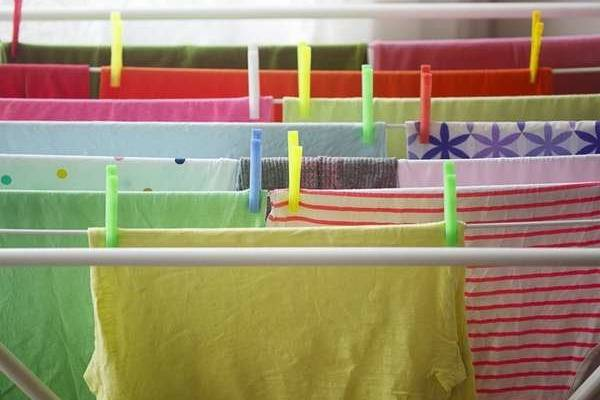
Moisture Regain & Drying Performance Comparison
| Fabric Type | Moisture Regain % | Drying Speed | Key Characteristics | Typical Use |
| Polyester | ~0.4% | Fastest | Hydrophobic, antimicrobial | Sportswear, travel clothing |
| Nylon | ~4% | Very Fast | Lightweight, strong | Activewear, swimwear |
| Polypropylene | <1% | Extremely Fast | Ultra-hydrophobic | Thermal layers |
| Merino Wool | ~15% (but wicks) | Moderate | Odor control | Outdoor gear |
| Cotton | 8–12% | Slow | Comfortable but absorbs water | Casual wear |
| Rayon | High | Slow | Absorbent | Fashion garments |
Why Polyester Is Considered the Quickest Drying Fabric
Polyester dries quicker than most fabrics due to the fact that it does not absorb a lot of moisture and discharges water easily. When the air moves freely, you frequently encounter less than two hours of drying time. The fiber structure forces the sweat to the surface to evaporate quickly. The moisture-wicking treatments are also durable and do not fade with repeated washing. You enjoy stable performance in exercises and outdoor games. This is the reason why sports brands choose polyester in their performance apparel where comfort, dryness and efficiency of the fabric are required.
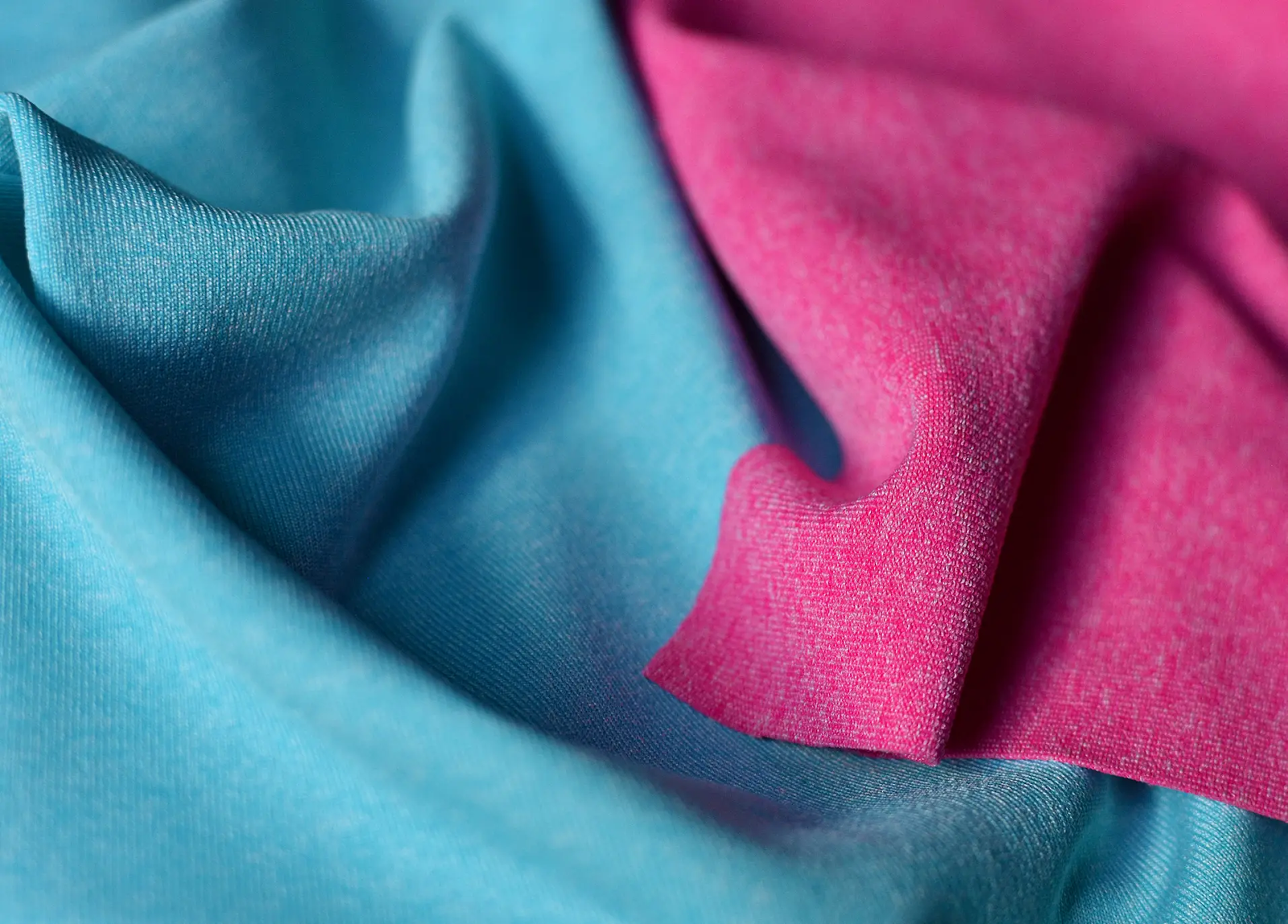
Role of Fabric Blends (Polyester-Spandex, Nylon-Microfiber)
Blends such as polyester-spandex and nylon-microfiber are fabric blends that increase performance by providing strength and flexibility. You are better stretched, and this is good in active wear. These combinations will enhance comfort by enhancing airflow and breathability. Water moves more rapidly through fibers and this increases evaporation. You also experience faster drying, less sweat and better temperature regulation during exercise, traveling and outdoor activities.
Benefits of Using Fast Drying Fabrics
Sweat Control and Comfort Improvement
Fast-drying clothes minimize the dampness during exercise or outdoor activities. They enhance the comfort of the skin by removing moisture rapidly. This makes you feel dry and light and avoids distractions attributed to wet clothes. The regular moisture regulation gives you the chance to concentrate on performance without annoyance and discomfort.
Body Temperature Control
These are fabrics that are effective in dissipating heat to keep your body cool. During heavy activity, the cooling effect is offered by evaporation. Quick-dry materials allow you to maintain the best performance by controlling the heat. You are able to remain comfortable even in the most extreme conditions, and you are able to keep your activity longer and safer without overheating.
Odor and Bacteria Control
A lot of fast-drying materials are antimicrobial treatments, which limit the growth of bacteria. This restricts the formation of odors when there is long usage. Being fresh will keep you confident and hygienic all day long. You feel less skin irritated and have a cleaner feel than traditional fabrics.
Lessened Skin Chafing and Irritation
Reduced friction and reduced moisture build-up avoid chafing in motion. Fast-drying clothes move easily on your skin, which causes less pain in highly active regions. This shield will enable you to train longer without being bothered. You also have a more comfortable skin contact, which improves the overall comfort when actively used.
Performance Enhancement in Sportspersons and Outdoor users
Quick-dry fabrics make the endurance more comfortable as your body is kept dry and your temperature is maintained. Increased rate of moisture evaporation facilitates faster recovery between activities. You are energetic, light, and on top of it. These materials enable you to go to extremes without having to fear sweat, odor, or discomfort.
Applications of Quickest Drying Fabrics Across Industries
- Sportswear and Athletic Apparel: Fastest drying fabrics make running shirts, gym leggings and compression wear light and breathable. They absorb moisture effectively, which decreases chafing and irritation during vigorous exercises. You even feel comfortable during extended sessions, and even clothes maintain their form and functionality after repeated washing.
- Travel and Adventure Clothing: Fast-dry garments help to save space and weight in your pack because they can be packed in their own bags. You are able to wash a lot of clothes in a short time and they dry at night. This convenience will allow you to pack less without sacrificing the comfort or hygiene during long journeys.
- Outdoor and Survival Gear: Quick-dry materials are also helpful in hiking and camping clothing when it is cold or wet. You layer well to keep warm and clothing dries quickly once it is exposed to rain or streams.
- Undergarments and Base Layers: Fast-drying fiber base layers enhance comfort and hygiene in day-to-day life. You keep drier and skin irritation is lessened, keeping fresh in active or inactive schedules.
- Towels and Personal Care Products: Travel towels made of microfiber dry quicker when compared to conventional materials. You save time, carry less and enjoy the efficient water absorption and speedy reuse during traveling or gym activities.
Factors That Affect Fabric Drying Speed
Fiber Composition
The hydrophobic fibers cause water to pass by them, and they dry quicker than the hydrophilic fibers which absorb water. Polymer structure also influences absorption and release rates. Knowing the types of fibers allows you to select clothing that can be used in a quick-dry environment and still remain comfortable.
Fabric Construction and Design
Knitted fabrics do not trap water in the same manner as the woven fabrics which provide better air circulation. Open-weave structures increase ventilation and evaporation. The knowledge of fabric design will enable you to select fabrics that dry fast but do not compromise durability.
Fabric Thickness and Weight
Heavyweight fabrics take longer to dry up whereas lightweight fabrics lose moisture easily. Water retention depends on fabric density and weight. Knowing the thickness assists you in choosing clothes that are fast to dry and comfortable at the same time.
Coating and Surface Treatments
Water-repellent finishes are long-lasting and force the water off, whereas wicking treatments draw the water toward the surface. These finishes are chemical finishes that help to speed up the drying process without changing the softness. Knowing the treatments will allow you to choose the fabrics that will stay comfortable and dry quickly.
Environmental Conditions
A dry environment with high temperatures and high air movement promotes drying whereas stagnant air retards it. The rate of evaporation depends on sunlight and wind. Knowing about the environmental factors enables you to plan your fabric drying to be fast and efficient.
Drying Time Benchmarks (Real-Life Scenarios)
The drying time is quite diverse, depending on the fabric, its thickness, and the conditions. A polyester T-shirt will dry within 2-4 hours, and nylon leggings can be changed between wet and dry within 20-30 minutes. Cotton clothing is thicker and more absorbent and can require 812 hours. Factors in the real world such as fans, airflow, hanging and flat drying can accelerate or decelerate drying. The level of wetness is also a factor, as light sweat evaporates quicker than wet clothes, whereas heavy hoodies or towels take longer than slim shirts.
Quick-Dry Fabrics for Travel and Adventure Use
Fast drying fabrics are needed among the travelers and the adventurers who want convenience and efficiency. Such materials are easily washable on trips and can be left to dry overnight, which saves time and effort. You enjoy the low-packing volume and the ability to carry only the necessities. Fast-dry clothing promotes a rotation system, sweat management in long treks, and natural odor management on the backpacking or hiking trips. Lightweight clothes also save on luggage and pack in a small size, thus making your travel easier. Wearing fast-drying clothes guarantees a comfortable, practical and stress-free travel.
Travel Fabric Performance Comparison
| Fabric | Packing Weight | Drying Time | Odor Resistance | Travel Suitability |
| Polyester | Light | Fast | Good | Excellent |
| Nylon | Very Light | Very Fast | Moderate | Excellent |
| Merino Wool | Medium | Moderate | Excellent | Good |
| Cotton | Heavy | Slow | Poor | Low |
Limitations of Conventional Quick-Dry Fabrics
Traditional quick-dry fabrics have rapid moisture wicking but feature significant drawbacks. You can also experience less airflow, because artificial fibers do not allow air to pass freely, and can trap heat on your skin, which can increase the risk of irritation. Polyester and nylon, in terms of the environment, are sources of microplastic pollution and they have large carbon footprints, which affect sustainability. In terms of aesthetics, these fabrics are not always fashionable, and the textures or finishes seem artificial. Making wise decisions about clothing and materials can be done by understanding these trade-offs.
How to Choose the Quickest Drying Fabric for Your Needs
Based on Activity Type
Wear the best fabrics that suit your activity. In the case of traveling, lightweight fast-drying products can be used to minimize the weight of the pack. Gym apparel also has the advantage of moisture-wicking materials which avoid chafing and irritation. Outdoor sportswear requires stretchable and durable fabrics that dry quickly and keep one comfortable even during strenuous activity. Fabric to activity is the guarantee of convenience and maximum performance.
Based on Climate
Take into account the conditions in which you will apply the fabric. In wet areas, moisture resistant fabrics can be used to avoid discomfort. Cold weather conditions demand materials that dry fast and those that offer warmth. Hot weather and breathable clothing are best friends and they help keep you cooler. Wearing clothes that are climate-appropriate makes them more comfortable and useful.
According to Comfort and Skin Sensitivity
Sensitive skin is not irritated by hypoallergenic fabrics. Breathable fabrics permit air flow, minimizing the amount of sweat and discomfort. Lightweight and soft materials increase daily wear. The comfort of skin is prioritized to provide increased wear and prevent rashes or irritation.
According to Sustainability Goals
Eco fabrics are certified and have less environmental impact, yet they are not compromised. Polyester recycled products are durable and fast-drying. Ethical production and reduced waste are achieved through sustainable choices. Wearing environmentally friendly materials will match your clothes to responsible shopping.
Care Tips to Maintain Fast-Drying Performance
Wash your fast-drying clothes in cold water and do not use fabric softeners to keep them functioning. Always dry by air where possible to avoid heat damage that can destroy fibers and moisture-wicking finishes. Keep clothes in a dry, well-ventilated area to avoid the accumulation of odor and maintain the fast-drying characteristics. Correct care will provide longevity, breathability of fabrics, and retain moisture-wicking performance so that your clothing can perform at its best during workouts or outdoor activities.
Conclusion
To sum up, fast-drying clothes have transformed comfort, performance, and convenience when it comes to active lifestyles and traveling. Polyester is the fastest drying polymer, though nylon and polypropylene do a good job as substitutes. The weight of fabrics, their construction, and environmental factors are the key factors in moisture management. Tradeoffs between performance, comfort, and sustainability assist you in selecting the most desirable choice to your requirements. In the choice of suitable materials and adherence to correct care techniques, you will guarantee moisture-wicking efficiency, durability and the highest level of comfort in sport, travel and daily use.
FAQs
Does Rayon Dry Quickly?
Rayon has a high moisture capacity and thus will absorb moisture and feel moist longer as compared to other synthetic materials. Its fibers retain water hence it takes more time to dry. In comparison with polyester or nylon, rayon is seldom quick-dry. Drying can be accelerated with airflow or low heat, although it will be slower than engineered quick-dry fabrics.
How Long Should a True Quick-Dry Fabric Take to Dry?
A good quick-dry fabric normally takes two hours to dry in normal circumstances. The structure of fibers and thickness determine fast-drying performance. This benchmark is easily achieved with thin synthetic blends. To achieve maximum convenience, you should strive to achieve fabrics that are labeled quick-dry to almost zero dryness within this time period.
Are Natural Quick-Dry Fabrics Effective?
Natural fibers may be used as quick-dry, though generally slower than synthetics. An exception is merino wool that loses moisture effectively and keeps warm. Such fabrics can be used in the outdoors, but they still might take longer to dry than a modern polyester or nylon combination. Take into account layering to achieve comfort and moisture regulation.
Do Coatings Wear Off Over Time?
Quick-dry or water-repellent coats lose their properties over time with washing and abrasion. Laundering may diminish performance. By adhering to care guidelines and some reprimand, you can be long-lived. Coatings prolong the life of fabrics, enhance moisture control during months of consistent use despite wear.