
Textiles are part of our everyday life, in the form of clothing, home materials, shaping comfort, style and utility. With the rise in the need of sustainability, it is important to be aware of the distinction between synthetic and natural organic fabrics. This guide discusses these two types in detail including their origin, how they are produced, their performance, their effect on the environment, their cost, and their health. Using the comparison you can make wise decisions, weighing comfort, style and sustainability and choosing the best fabrics to make clothing, home, and industrial products.
Understanding Fabric Categories
What Are Natural Organic Fabrics?
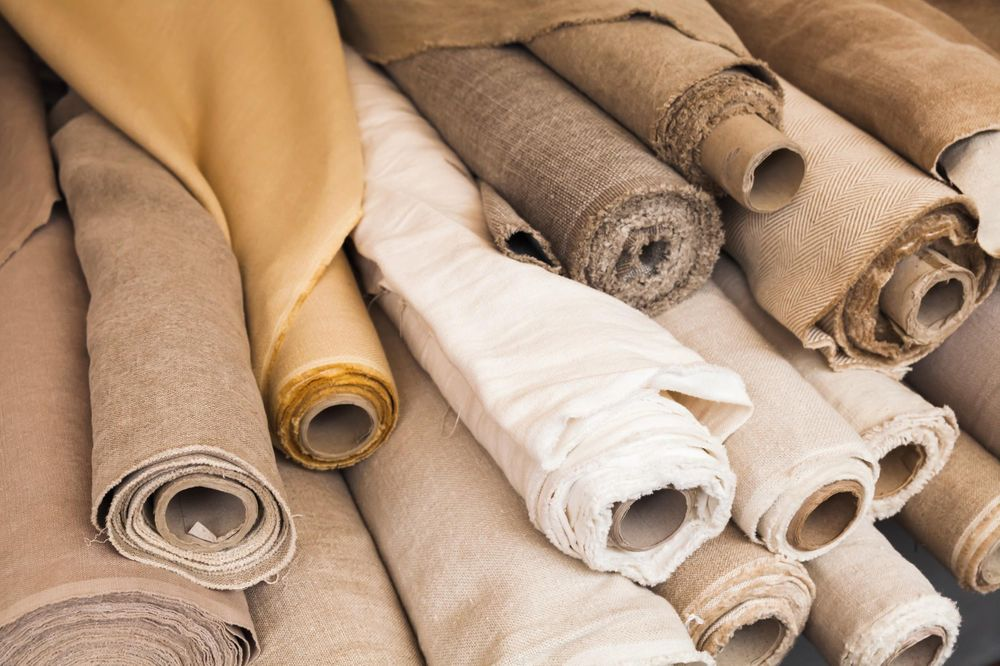
Natural organic fabrics are produced using fibers that are grown without chemicals that are harmful. They are certified as organic. Organic cotton, hemp, linen, bamboo (mechanically processed), wool, and silk are all common examples. These materials are breathable, comfortable and biodegradable. Wearing organic clothes also means that you have less exposure to chemicals. They are soft, absorb moisture, and environmentally friendly making them suitable in sustainable fashion, household fabrics, and use on sensitive skin surfaces.
What Are Synthetic Fabrics?
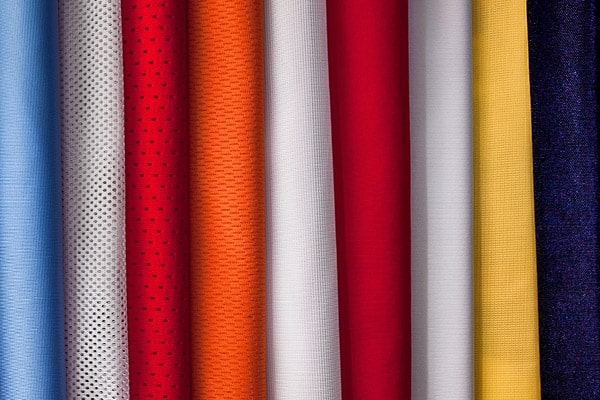
Synthetic fabrics are artificial fibers that are made primarily of petrochemicals. They are polyester, nylon, acrylic, elastane (spandex), and acetate. These materials are durable, stretch, and wrinkle and shrink resistant. They can be counted on to perform in a versatile way in sportswear, outdoor apparel and fast-fashion clothes. Synthetic fibers are also cheap to manufacture and are easily accessible. They are not biodegradable as natural fabric, but provide uniformity, color stability, and superior functionality that meets the current textile requirements.
History & Development
Evolution of Natural Fabrics
Natural cloths have roots dating back thousands of years and are the roots of human apparel. You can observe early civilizations which were dependent on cotton, wool and silk and processed by the use of traditional farming techniques and handcrafting. After some time, the practices were developed, and the contemporary organic certifications were introduced to guarantee sustainability, purity, and ethical production. The knowledge of this evolution makes you understand the worth and the naturalness of natural fabrics in the modern fashion and textile sectors.
Invention and Rise of Synthetic Fabrics
The introduction of synthetic fabrics began with the invention of nylon in the 1930s that transformed textiles in the world. Then you saw the rise of polyester in the middle of the 20th century, with its durability and affordability. The growth of fast fashion was driven by the rapid expansion of synthetic production which happened as a result of industrialization. This history makes you appreciate that synthetics have revolutionized the accessibility, performance, and global supply chain of textiles, making it one of the essential ingredients in contemporary clothes and industry.
Raw Materials & Manufacturing Processes
Natural Organic Fabrics
Organic fabrics are natural, and they are produced using crops such as cotton, hemp, and flax, which are grown in a sustainable manner. Mechanical and chemical processing, such as cleaning, spinning and weaving, is what you need to consider to process raw fibers into textiles. The process of obtaining organic certification presupposes the absence of toxic pesticides and implementation of environmentally friendly soil management. Water and land use are also important factors you should consider, and they influence the sustainability of the environment and the total footprint of organic fabric manufacturing.
Synthetic Fabrics
Synthetic fabrics start with extracting petrochemicals of crude oil or natural gas. Then you depend on polymerization techniques as in the case of polyester polymerization with PET. Polymers are converted into usable threads by fiber extrusion and spinning. Dyeing and finishing stages, which include large chemical loads, should also be considered. All these processes directly affect the quality of fabrics, durability, and environmental impact, and it is therefore necessary to control and manage it.
Technical and Performance Characteristics
Natural Organic Fabrics
- Breathability and Moisture Absorption: Highly breathable fabrics allow air to pass through, keeping you cool. They are also very absorbent and therefore sweat is not built up and there is greater comfort when worn over time.
- Hypoallergenic Properties: Hypoallergenic substances reduce allergic reactions and skin irritation. Wearing such fabrics also keeps sensitive skin safe and helps you to stay safe and comfortable.
- Comfort and Textile Characteristics: Fabrics that are soft and smooth touch your skin. They enhance comfort in wearing, and you will feel comfortable.
- Restraints: There are fabrics that wrinkle, wear out, shrink, or change with weather. You have to treat them with care so as to preserve appearance and life.
Synthetic Fabrics
- High Durability and Abrasion Resistance: These fabrics are hardy and can withstand intense wear and frequent washing without losing its strength and appearance. They can be trusted to be able to be used in the long run whether in active or work settings.
- Stretch, Flexibility, and Performance Under Stress: Engineered fibers offer plasticity, where one is able to move freely without losing its shape. You enjoy the comfort and support on the strenuous activities.
- Moisture-Wicking Technologies (Engineered Polyester): Updated polyester pulls the sweat off your skin and leaves you dry and comfortable. It improves work under hot or high intensity.
- Limitations: Heat, odor, and microplastic can be trapped in these fabrics, and can release during laundering. You are to consider environmental and comfort effects.
Comparison of Key Physical & Performance Properties
| Property | Natural Organic Fabrics (e.g., Cotton, Linen, Hemp) | Synthetic Fabrics (e.g., Polyester, Nylon) |
| Breathability | High | Moderate to Low (varies by weave & tech) |
| Moisture Absorption | High | Low (moisture-wicking versions engineered) |
| Durability | Moderate | High |
| Elasticity | Low | High (especially spandex blends) |
| Heat Retention | Low | High |
| Chemical Exposure | Lower (organics) | Higher (manufacturing additives) |
| Biodegradability | Yes | No |
| Price | Higher (organic variants) | Generally lower |
| Environmental Impact | Lower (when organic-certified) | Higher (petroleum-based, microplastics) |
Key Natural Organic Fabrics
Organic Cotton
Organic cotton is produced without the use of synthetic pesticides and fertilizers which helps in sustainable farming. It has an excellent breathability and comfort, and it is soft on your skin. Its smooth texture and anti-allergenic properties are appropriate with sensitive users. You will see it extensively used in daily wear, bedding and baby products where comfort and safety are paramount.
Linen (Flax)
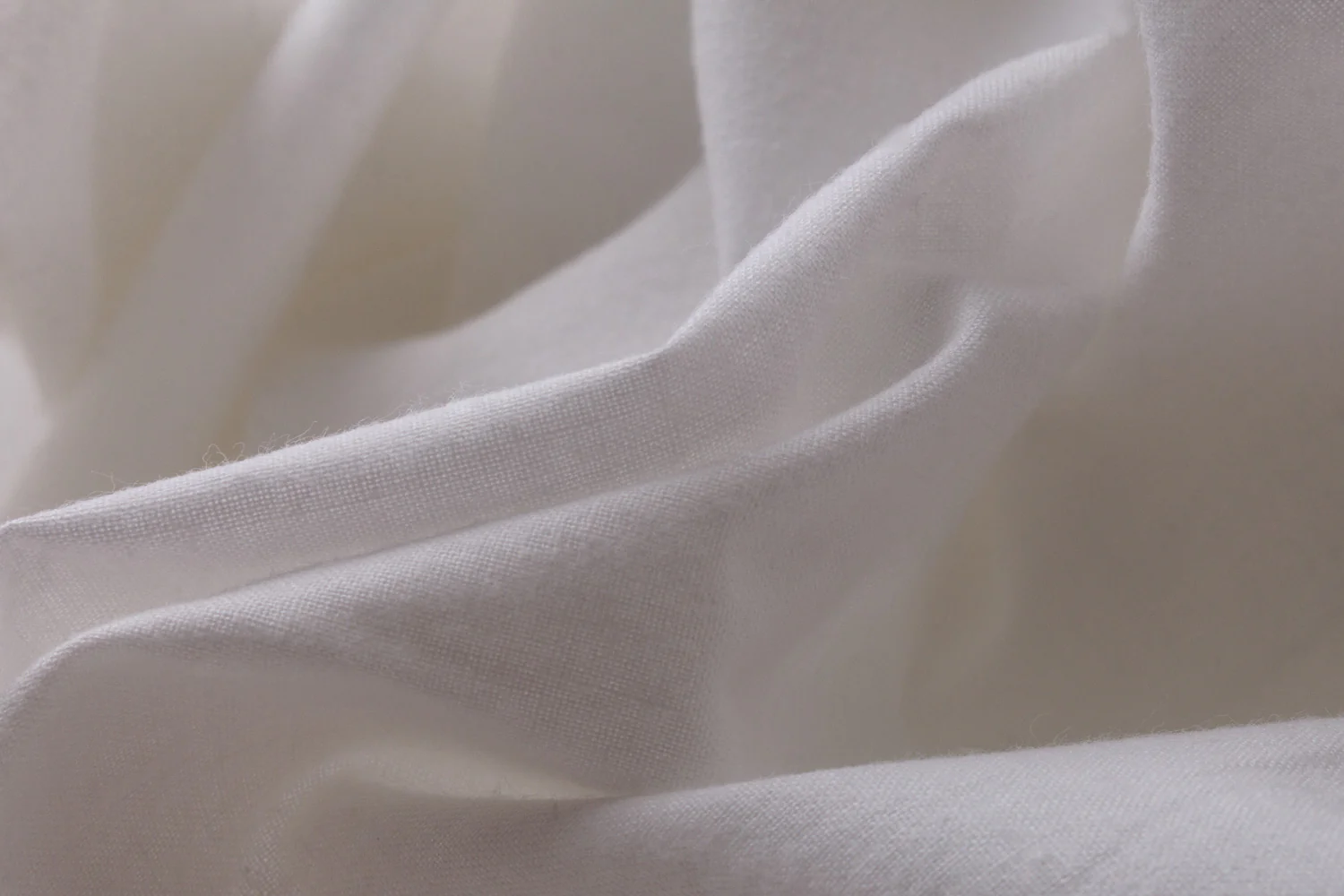
Linen is a product of the flax plant and it does not need a lot of water hence it is environmentally friendly. It is very tough, naturally breathable, and softens with time. Linen is effective in controlling the temperature and also resists wear and tear thereby increasing comfort. Linen is a good choice in summer clothing, house and lightweight clothes, which are cool in warm weather.
Hemp
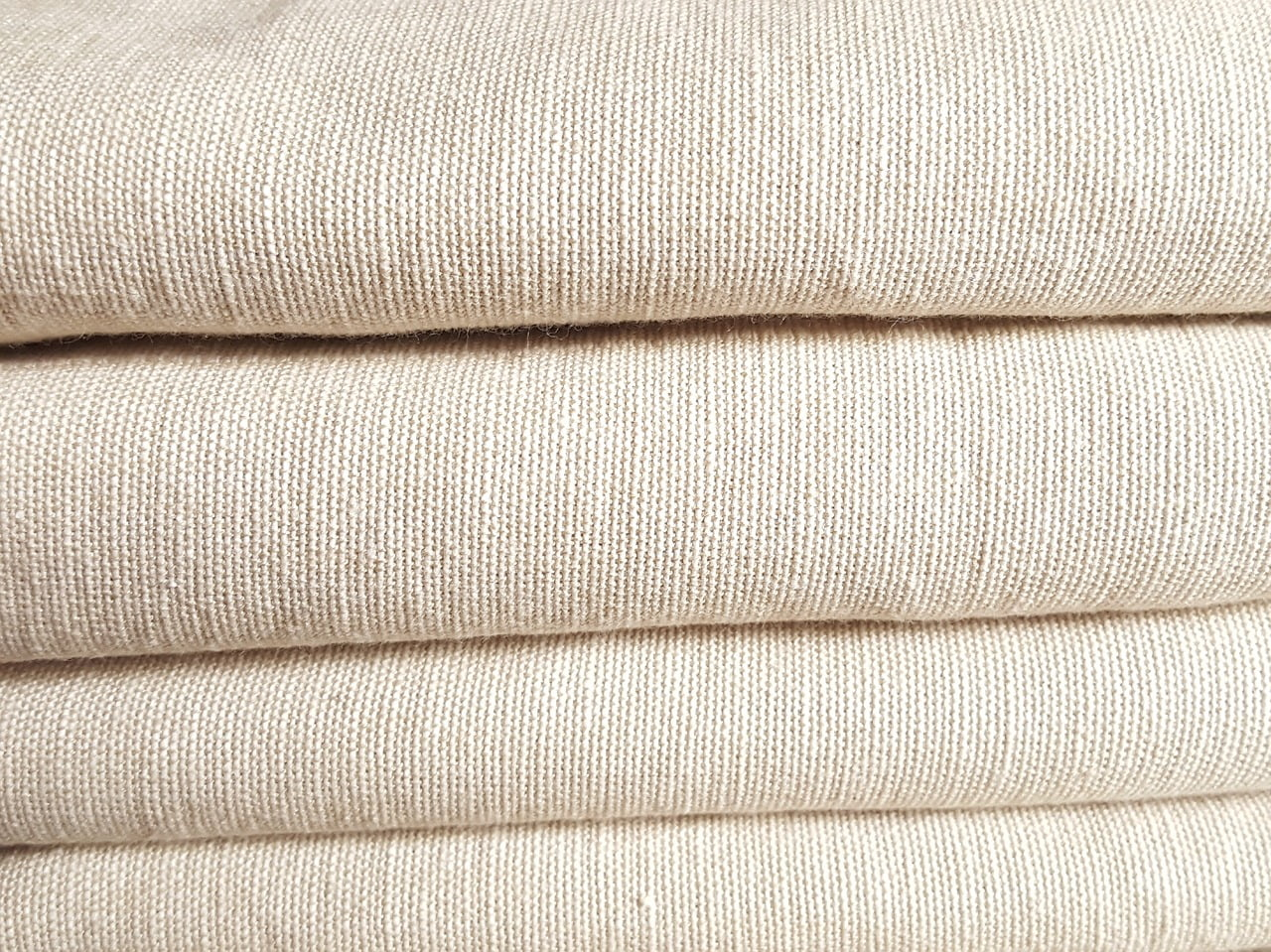
Hemp is a rapid plant with high fibre and low pesticide requirements. Its fibers are hard, resistant to UV and durable. Hemp fabrics are naturally strong and sustainable, and they have a lesser impact on the environment. You will find hemp in clothes, accessories, and industrial fabrics, such as bags, ropes, and environmentally friendly clothes.
Organic Bamboo
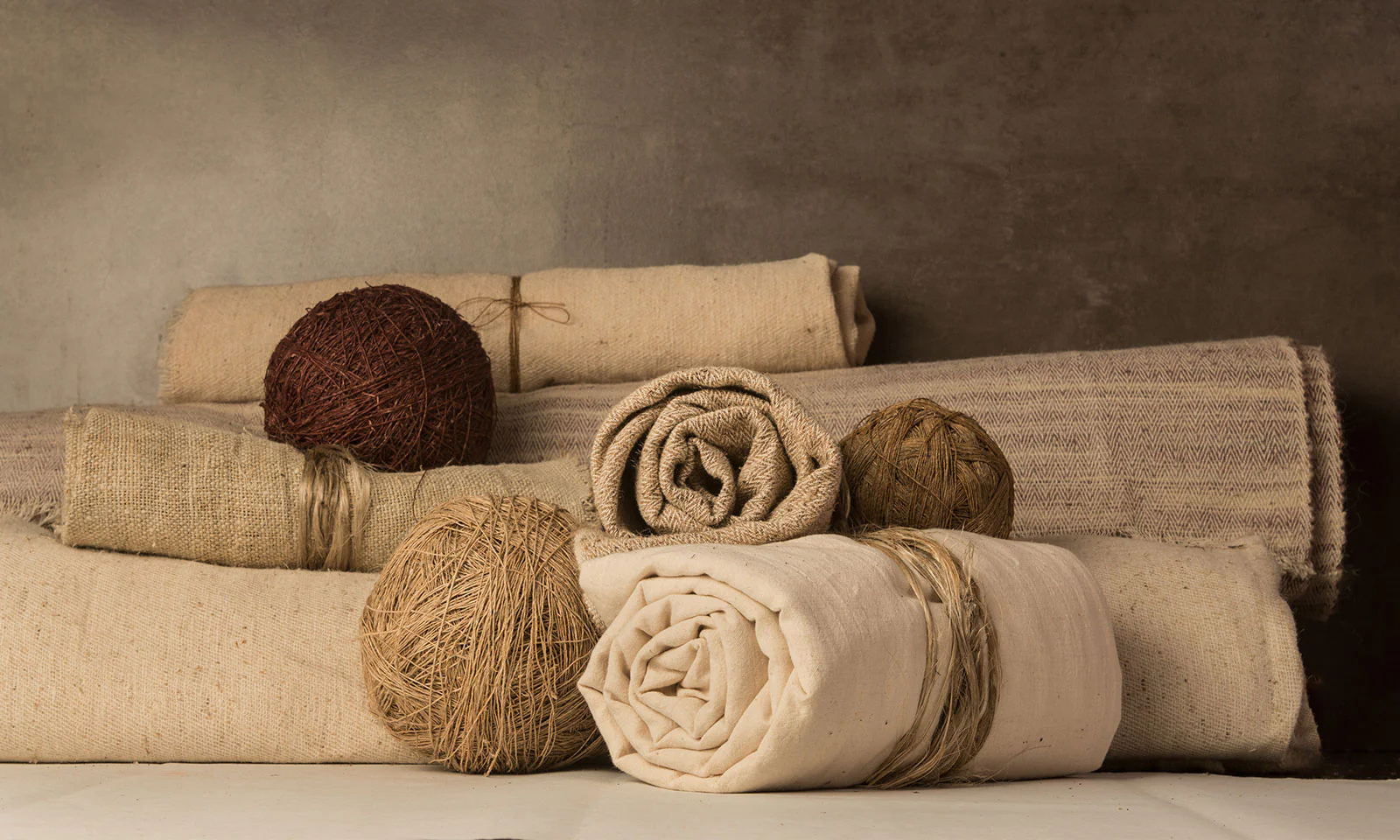
Organic bamboo linen is produced through mechanical means, not using chemicals as in case with bamboo viscose. It is soft, naturally antibacterial, and breathable. Bamboo can be used in towels, bedding and clothing, and you will feel comfortable thanks to hygienic properties.
Wool
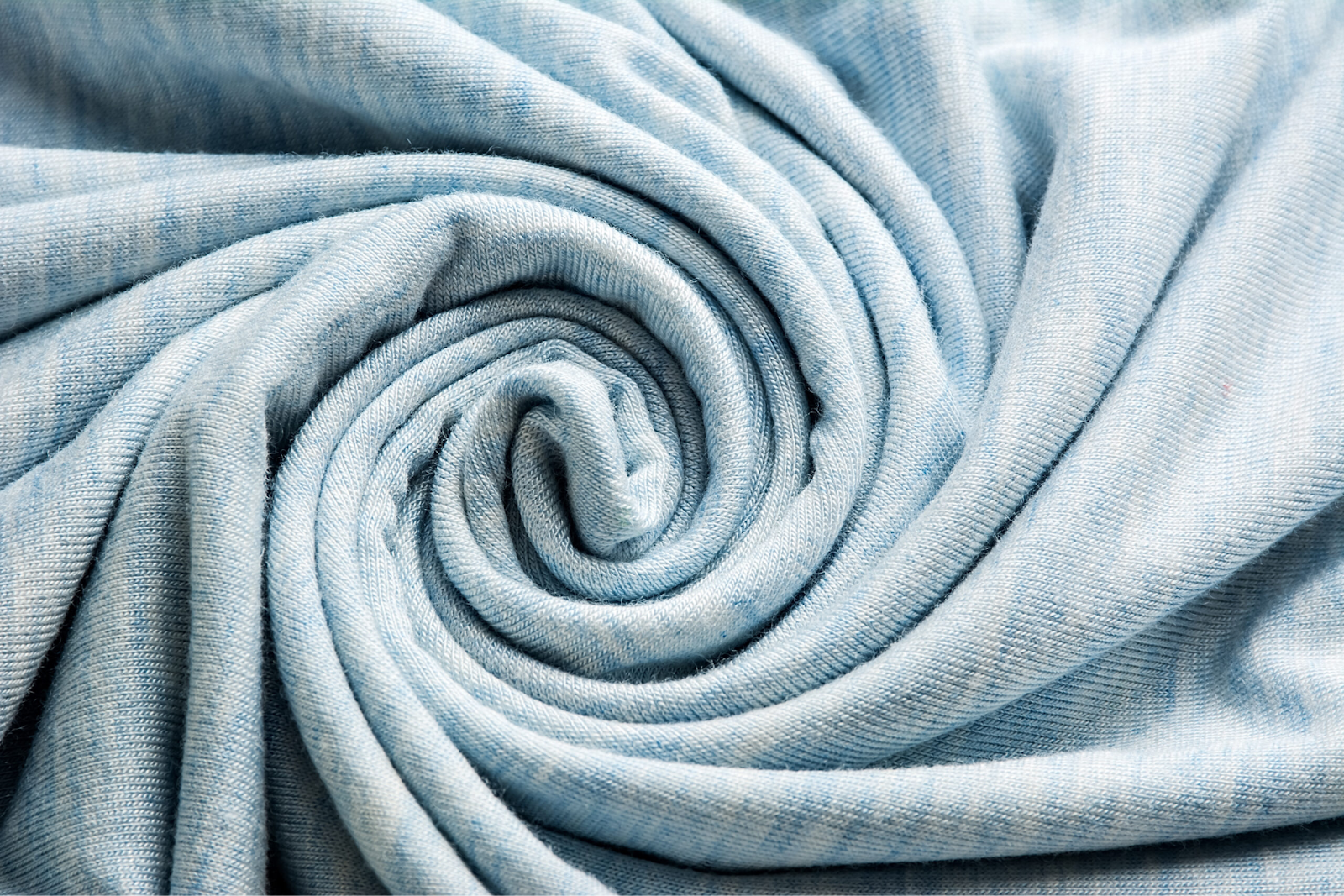
Organic wool is very effective in terms of temperature regulation and insulation. It is soft, renewable and biodegradable. It is available in knitwear, blankets and technical outdoor fabrics to keep you warm and sustainable.
Silk
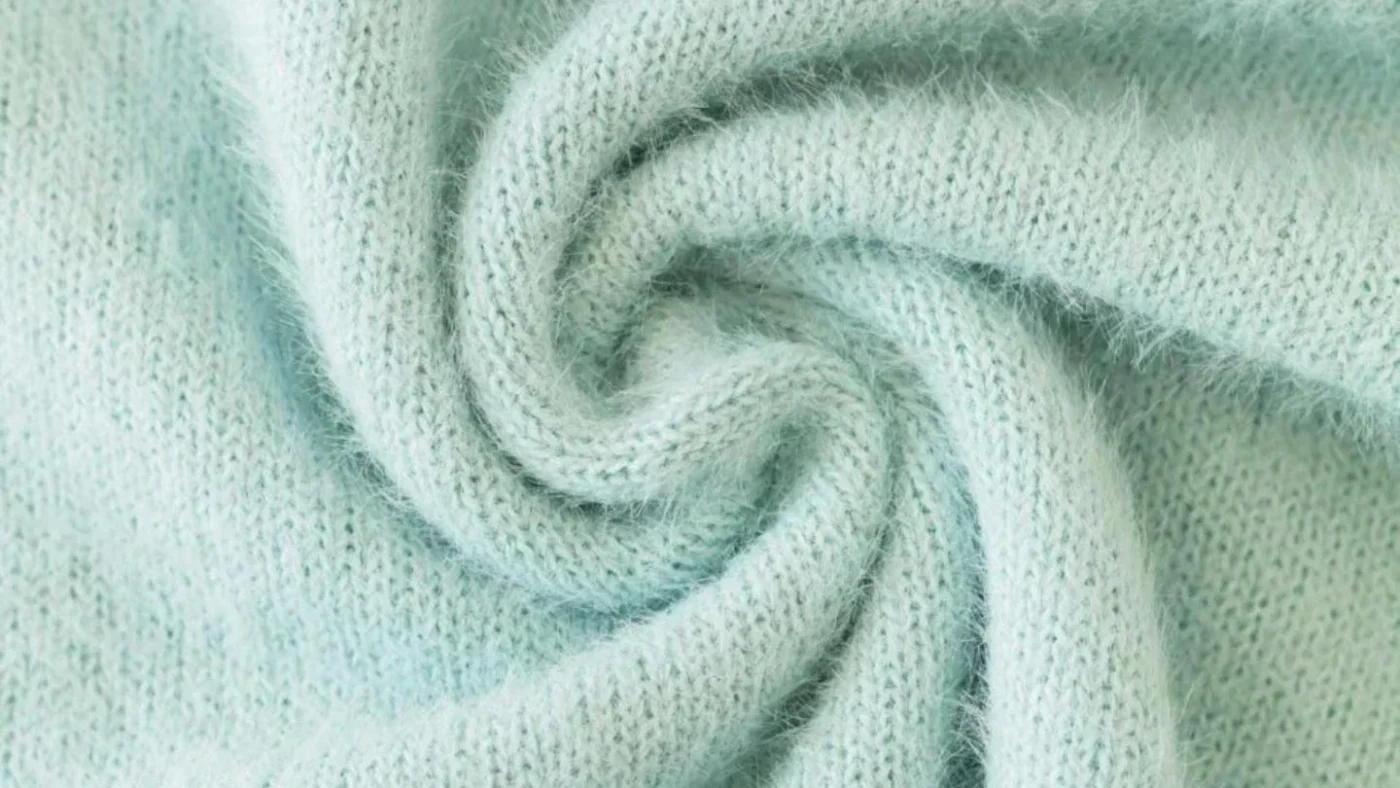
Organic silk is a natural protein fiber that is ethically obtained, and it provides a luxurious feel. It is smooth, breathable and hypoallergenic. Silk may be used in high-end clothes, scarves, and bedding to be comfortable and stylish.
Key Synthetic Fabrics
Polyester (PET)
PET or polyester is the most widespread man-made fiber. It is durable, non-slippery and fast-drying. Recycled polyester (rPET) has recently been innovated, and it is sustainable. Polyester is used in a large variety of products. Allowing it to be used in apparel, home furnishing in the form of curtains and upholstery and industrial fabrics like ropes and conveyor belts makes it very durable and low maintenance.
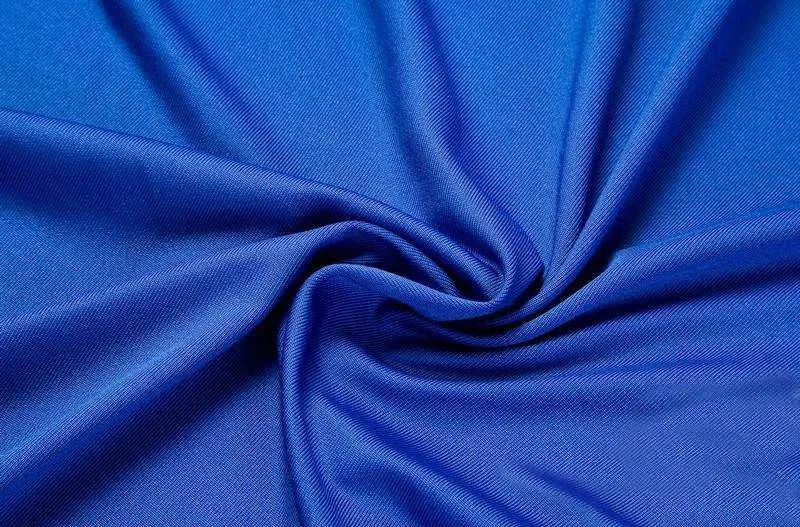
Nylon (Polyamide)
Nylon is a powerful synthetic fiber that is very elastic and resistant to abrasion. These properties enable it to stretch without breaking. Activewear, outerwear, and hosiery are often used with nylon. Its performance features ensure that it is ideal in sports clothing, protective clothing, and everyday wear.
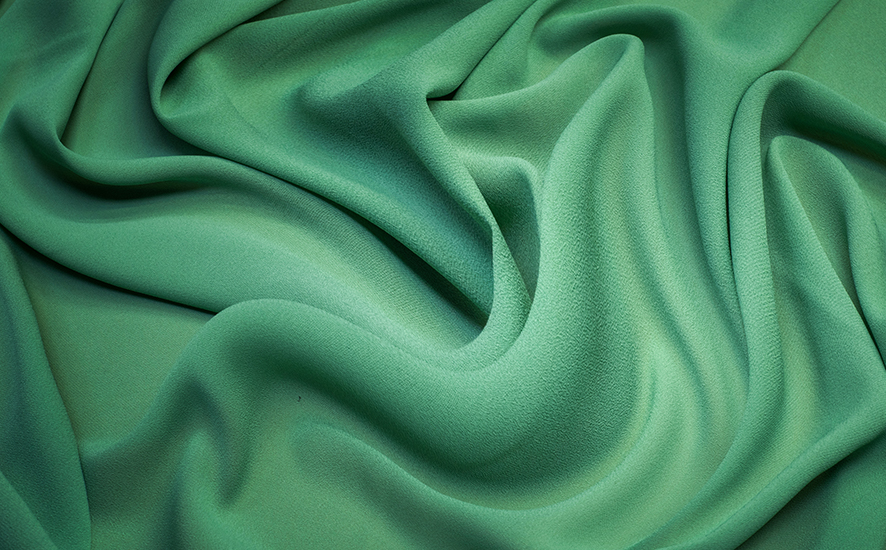
Acrylic
Acrylic is a soft fiber that is light and resembles wool. It offers a high level of insulation and warmth. Acrylic may be used in sweaters, blankets, and knitwear. Its wool-like touch renders its use in warm winter clothes.
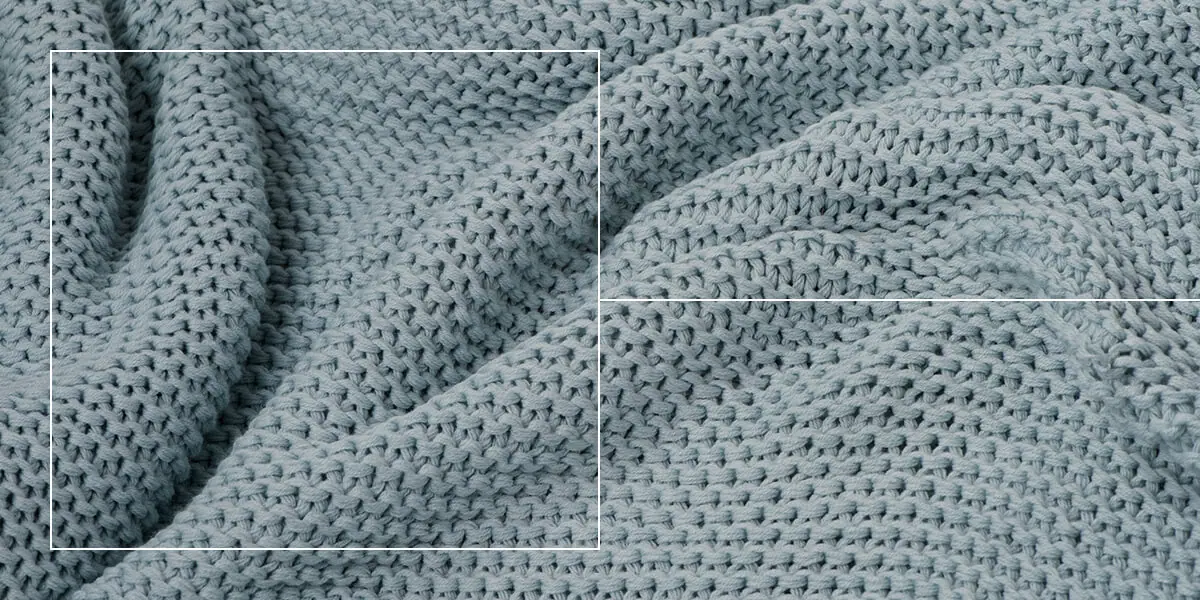
Spandex/Elastane
Elastane, more commonly referred to as spandex, provides unmatched stretch, up to 600 percent. It is mixed with other fibers in performance and customized clothing. It is worn in leggings, sportswear and swimwear that offer comfort and movement.
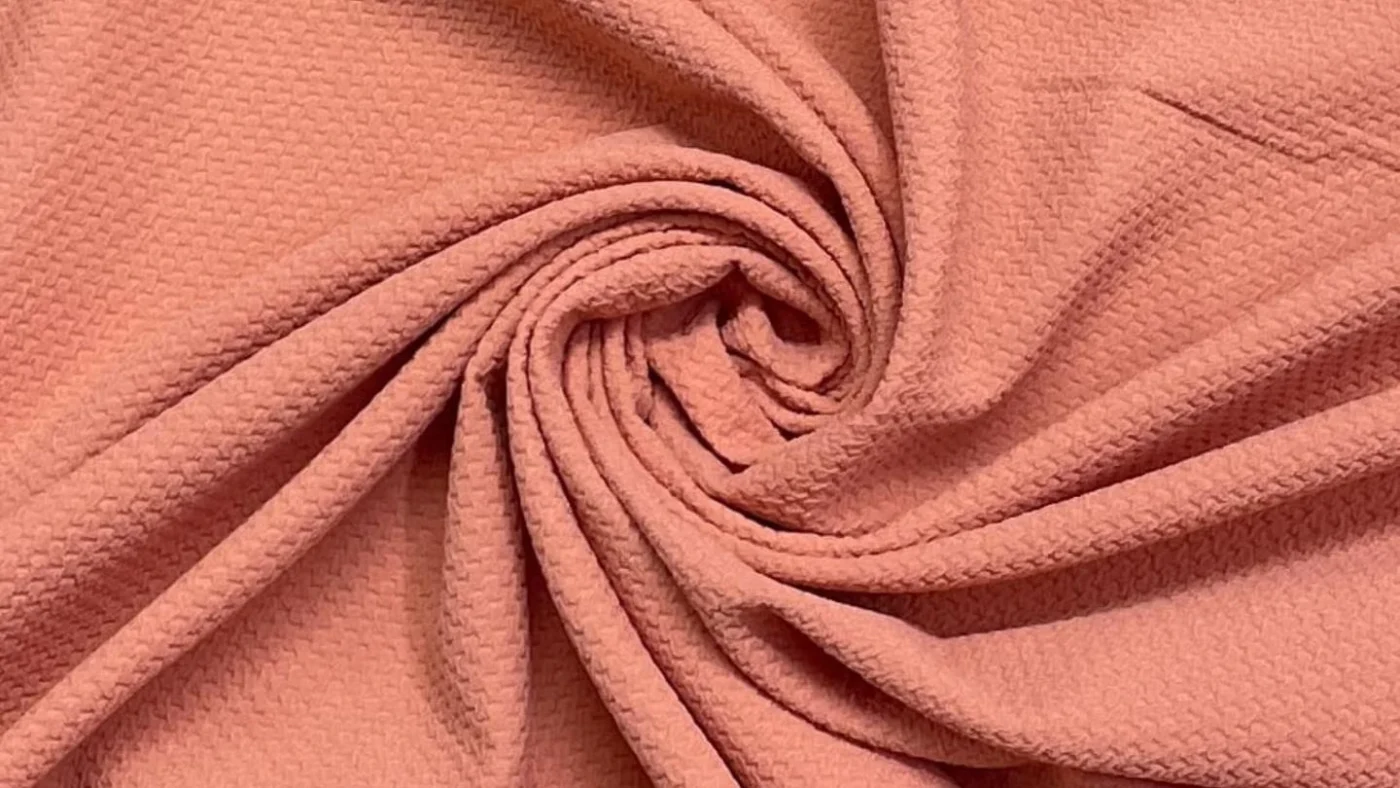
Acetate
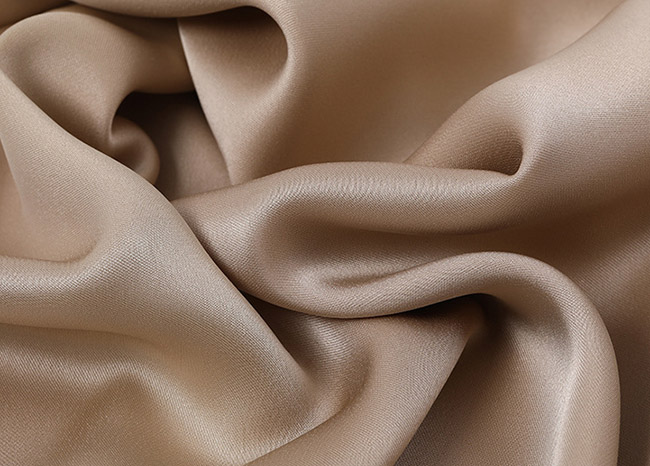
Acetate is semi-synthetic, which is produced by chemically treated cellulose. It provides a silk-like fabric and lustre. You can wear acetate in linings, dresses and formal wear. It is made in a graceful style and it is suitable in sophisticated luxurious garments.
Environmental Impact Analysis
Natural Organic Fabrics
Natural organic fabrics usually have less environmental impact when cultivated in a sustainable manner. They enhance the health of the soil and promote biodiversity. These materials need less pesticides and synthetic fertilizers and minimize chemical runoffs. The amount of water used differs; cotton requires more water, whereas such crops as hemp require much less. Natural fabrics can be recycled and biodegraded at the end of their life, so they are a more sustainable choice when it comes to making environmentally friendly decisions.
Synthetic Fabrics
Synthetic fabrics are highly dependent on fossil fuels and they require a lot of energy to be produced. They release microplastics into waterways, which pollute waterways. They are non-biodegradable and they pose a long term waste management problem. Nevertheless, such innovations as recycled polyester (rPET) and circular textile systems are enhancing sustainability. Knowing these effects, you are able to make informed decisions regarding synthetic fabrics, to strike a balance between performance requirements and environmental responsibility.
Health & Skin Considerations
Natural Organic Fabrics
Natural organic fabrics are soft to delicate skin and minimize the chances of irritation. They are less likely to leave residual chemicals in their production, particularly when certified by GOTS which makes them safer to wear daily. The breathable fibers will enable the airflow, keeping you cool and reducing the amount of sweat. Rashes or discomfort may be avoided with regular use, and these fabrics are the best option when you are concerned with the health of your skin and prefer to wear the type of garments that can help your body to be comfortable automatically.
Synthetic Fabrics
Synthetic fabric has engineered properties, such as moisture-wicking, which is suitable in sporting activities. Nevertheless, they can trap heat and sweat, which can lead to irritation of the skin. Allergies to some dyes or chemical finishes may occur, and you should be aware of any allergies. Synthetic materials are good in controlling moisture and durability of fabrics despite these concerns. Wearing the appropriate cloth guarantees that you enjoy both comfort and performance without any harm to the health of the skin.
Economic Considerations
Cost of Production
Natural organic farming requires much labor and meticulous farming, thereby increasing the cost of production. Synthetic fabrics on the other hand enjoy the advantage of mass production and low raw material costs, which allow large-scale production at reduced prices. You are to keep in mind that this difference in costs has a direct impact on retail price, which determines not only accessibility but also profitability. Organic textile investment can be a more expensive endeavor initially, but it would be more sustainable and effective with respect to quality-driven long-term strategies.
Consumer Market Trends
Consumers are becoming more environmentally conscious and are demanding organic and sustainable textiles. However, fast fashion still depends on cheap synthetic materials. You can take an advantage of this trend by attacking premium markets where organic textiles are worth higher prices and brand differentiation. The insights of these changes can assist you in mapping the strategies of production to the tastes of consumers and the economic reality of prices, scales and competitive positioning in the world textile market.
Lifecycle, Recycling & End-of-Life
Natural Organic Fabrics
When treated in their natural form, natural fabrics can be completely biodegraded, which means that they can be broken down into harmless organic compounds. When in the right circumstances, they can be composted and converted into soils rich in nutrients. Nonetheless, biodegradation can be slowed or prevented by dye treatments and chemical finishes, which impacts on environmental benefits. These are some of the factors to be considered when discarding or recycling garments. Correct management guarantees that natural fabrics are safely sent back to the environment, which promotes sustainable lifecycle actions.
Synthetic Fabrics
Man-made fabrics have to be recycled (mechanically or chemically), e.g., converting bottles of PET into rPET fibres. What you need to understand is that recycling is not efficient and it consumes energy. Such fabrics remain in landfills decades, which present a long-term challenge to the environment. One of the ways to reduce impact is to fund superior recycling initiatives and circular textile projects. Learning about the lifecycles of synthetic fabrics will guide you to make better decisions about production, consumption, and the end-of-life disposal.
Environmental Impact Lifecycle Comparison
| Lifecycle Stage | Natural Organic Fabrics | Synthetic Fabrics |
| Raw Material Source | Plants/Animals (renewable) | Petrochemicals (non-renewable) |
| Farming/Extraction Impact | Lower with organic methods | High (oil extraction & refining) |
| Manufacturing Energy Use | Moderate | High |
| Chemical Use | Low – moderate (depending on dyes) | High (during polymerization and finishing) |
| Carbon Footprint | Lower | Higher |
| Microplastic Production | None | Significant shedding |
| Biodegradability | Yes | No |
| Recyclability | Limited but possible | Increasing but still limited |
Suitability for Various Applications
Apparel
Cotton is comfortable, whereas polyester is easy to care about and sustainable as everyday wear. Luxury apparel is characterized by the use of satin synthetics in combination with silk to give it sophistication and wearability. Polyester, nylon, and spandex are common in active wear because they are better at stretch, moisture-wicking, and durability and will allow you to be more comfortable during exercise.
Home Textiles
Bedding and linens strike a balance between comfort and durability in the long run, allowing one to enjoy soft but durable materials. Upholstery is a blend of synthetic toughness and organic beauty, which offers strength to furniture and at the same time, it has a beautiful appearance. The right mix will guarantee a combination of beauty and functionality.
Industrial Uses
The medical, automotive, insulation, and performance industries are dominated by synthetic fabrics. Their wear, chemical and temperature resistance allow you to depend on them in critical applications. These materials are stronger and more consistent than organics, which is why they are necessary in a challenging industrial setting.
How to Choose the Right Fabric
Choose the appropriate fabric by determining what is important to you, such as comfort, durability, and sustainability. Check reputable certifications including GOTS, OEKO-TEX, Bluesign and USDA Organic to make sure of safer materials. Review fabric blends and their trade-offs. Compare the long-run value and short-run price to make smarter decisions. Determine breathability to wear routinely. Check maintenance should correspond to your lifestyle and care policy.
Conclusion
The decision between synthetic and natural organic fabrics is always a matter of needs, values, and purpose of use. Every type of fabric has its own advantages, including breathability and comfort and durability and engineered performance. Knowing their environmental impact, production processes, and overall long-term benefits, you will be able to make decisions that fit your priorities. Keep in mind that there is no best fabric that fits all, only the one that serves your purpose. Seek responsible, conscious consumption to enhance sustainability and feel comfortable, stylish, and quality in all the textiles you wear.