
Textile and fabric are words that are used synonymously, but they have different meanings that are important to designers, manufacturers, and consumers. The ability to identify the difference will guarantee proper material selection, efficient production, and quality results in any industry such as fashion, health, and industry use. This is a definitive guide to textiles and fabrics and their definitions, origins, types, and manufacturing procedures, their most essential differences, and a discussion of practical uses of any of these fundamental materials in 2026.
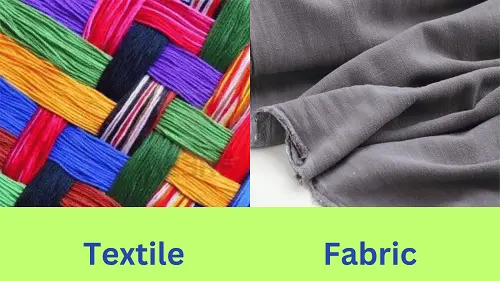
What is a Textile?
A textile can be traced back to the Latin word taxere which means to weave thus its woven origin. It encompasses in a broad scope, fibers, yarns, threads, fabrics and finished or unfinished woven or knitted products. Textiles may either be functional or purposeless. Knowing textiles makes you see how versatile they are, how they are made, and how they can be used and provide a solid base to examine their use in different industries.
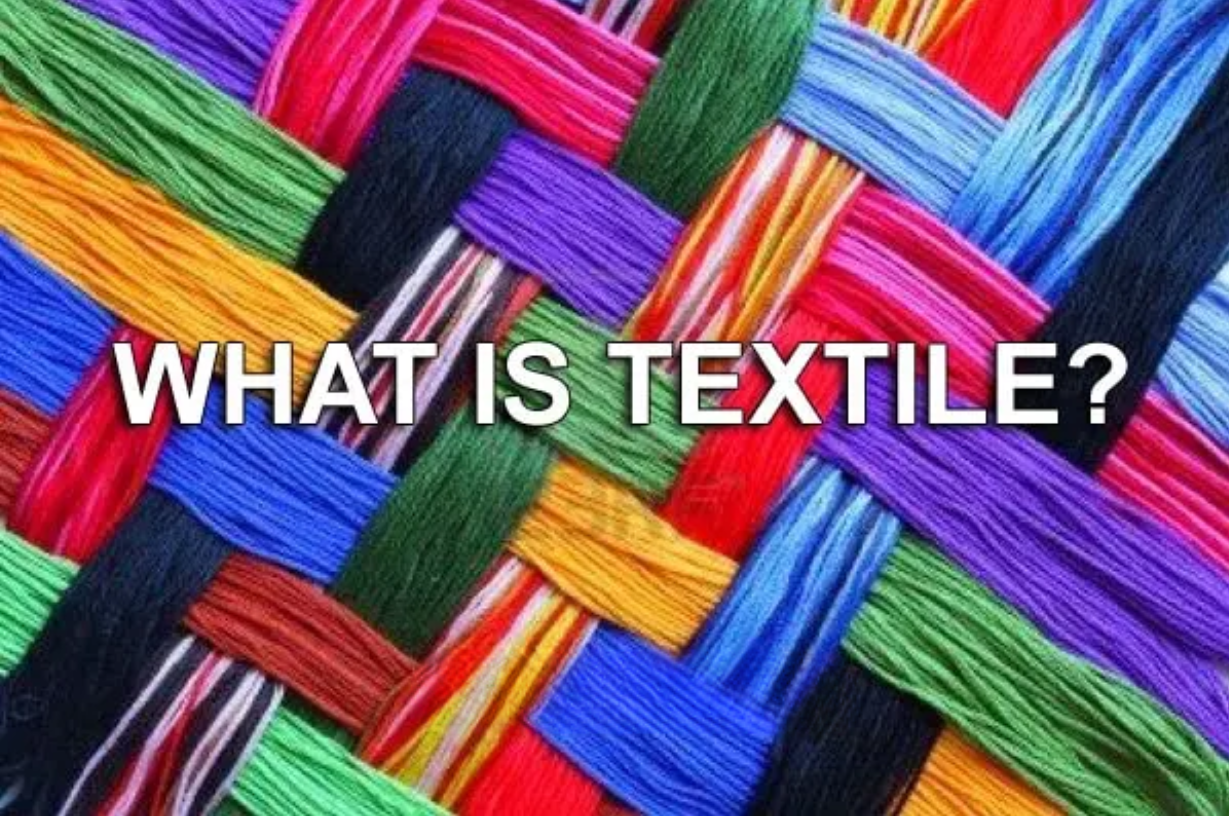
Components of a Textile
- Fibers: Fibers are the fundamental units of fabrics. Cotton, silk and wool are natural alternatives. Artificial fabrics such as polyester and nylon are durable and stretchable. Semi-synthetic fibers like viscose and rayon are a mix of natural cellulose and chemical treatment. Metallic threads are decorative and shiny. To achieve best performance in garments or industrial textiles you must select fibers depending on strength, feel and end-use needs.
- Yarns: Yarns are made by twisting fibers in such a way that they are made into continuous strands. These cords can be woven, knitted or braided into cloth. The tightness of twist and type of fiber can be used to control the texture, elasticity, and thickness. Correct choice of yarns defines the strength of fabrics, drape and applicability in certain applications.
- Threads: Threads are narrower than yarns and are primarily applied to stitching or finishing. In comparison to bulk yarns, threads are concerned with durability and precision. You ought to choose thread types that suit fabric composition, even giving one smooth seams, strong hems, and quality textile products.
Classification of Textiles
- By Composition: Textiles are natural, synthetic, semi-synthetic, or blended. Cotton and wool are natural fibers that are comfortable. Plastics such as polyester are tough and strong. Semi-synthetics like viscose are mixtures of natural and chemical characteristics. Blends are comfortable and optimize performance. Composition will assist you in selecting the best fabrics that meet your particular requirements with consideration of appearance, functionality, and affordability.
- By End Use: Textiles are used in clothing, industrial, technical, home, medical and geotextile uses. Apparel is concerned with comfort, industrial fabrics with durability, technical fabrics with specific applications and medical fabrics with hygiene. Geotextiles hold soil and infrastructure. End use classification aids you in choosing textiles that can be used in performance, environment, and functionality.
- By Manufacturing Method: Textiles are woven, knitted, braided, non-woven or bonded. Woven fabrics are plain, twill and satin; knitted fabrics are warped or wefted. Braided, non-woven and bonded fabrics increase flexibility or durability. Understanding production techniques will assist you to select the appropriate strength, texture and functionality based on your use.
What is a Fabric?
Fabric, which is a Latin word fabrica, meaning workshop or craft, is a finished material that is produced using textile fibers or yarns. It has a particular use, which is usually clothing, upholstery or house goods. Depending on your requirements, you can choose clothes according to their feel, how long they last, or how they look. Knowing the fabric can make you select the appropriate material to use in your project to guarantee comfort, functionality, and durability in your daily use.
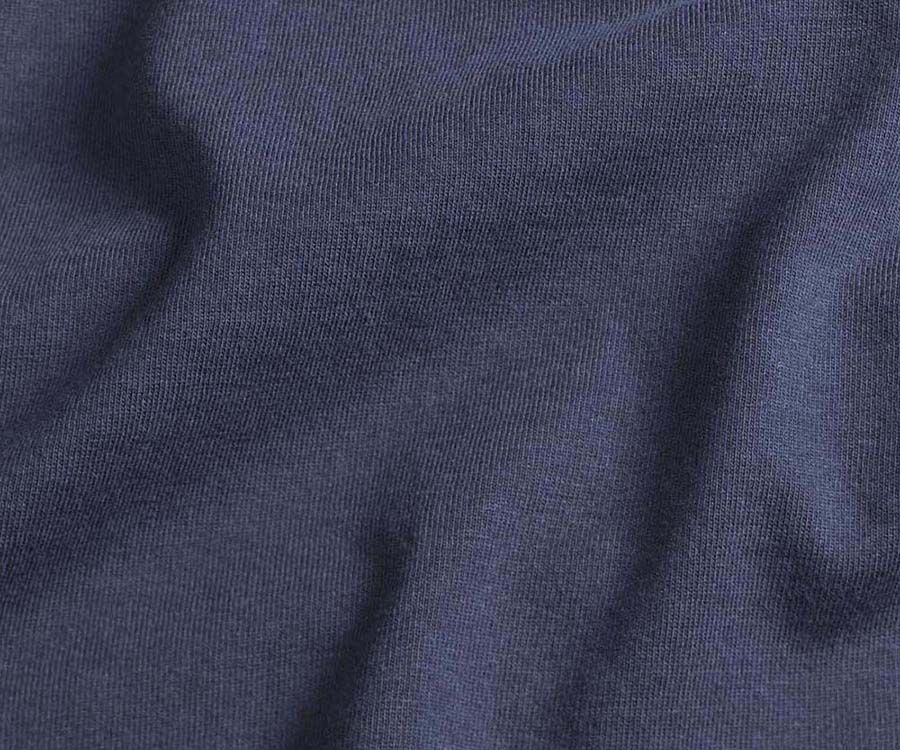
How Fabrics are Made
Different processes are used to produce fabrics with different structures and characteristics. Plain, twill, and satin woven fabrics are made on air jet, water jet or rapier looms to make them durable and soft. Flexible textiles in the form of knitted fabrics such as warp and weft knitting are worn in sweaters, socks, and jerseys. Medical and industrial applications of non-woven fabrics are bonded, felted, or fused. Braided fabrics, e.g. ropes, shoelaces, provide strength and flexibility, which are applicable in specialized use.
Common Types of Fabric
There are different types of fabrics, and each of them has different qualities and applications. Natural fibers such as cotton, silk, wool, and linen are breathable, comfortable, and soft and can be used in everyday wear and luxurious clothing. Polyester, nylon, acrylic and spandex are synthetic fabrics that are durable, stretchy, and low maintenance and can be used in sportswear and industry. Both fabrics, such as cotton-polyester or silk blends, are blended to combine the best properties of both. Chiffon, jersey, muslin, canvas and lace are specialty fabrics that bring texture, elegance and creative versatility to your projects.
Textile vs Fabric – Key Differences
Word Origin and Conceptual Difference
Textile: Textiles are considered a wide category of fibers, yarns, and unfinished and finished products. You find them in crude fiber bundles, spindled yarns and semi-finished sheets. They can be used in a variety of end-use purposes or converted into fabrics, which is their versatility.
Fabric: This is a specialized term that denotes finished goods that are produced by using textiles. You discover fabrics in ready-to-wear wear, upholstery and decorations. They are created to be used as soon as possible in a practical or aesthetic way as opposed to industrial processing.
Material Origin and Composition
Textile: Textiles may be made of natural fibers including cotton, wool and silk, or synthetic fibers including polyester and nylon. These materials can be found in yarns or threads or half-processed sheets. They can be changed into fabrics to be used in different applications due to their flexibility.
Fabric: Textiles are always used to make fabric, whether woven, knitted, or not. You wear fabrics in clothing, furniture, and practical objects of the house. They are designed to be either practical or decorative at all times.
Usage and End-Purpose
Textile: The textiles play a multifunctional role in industries. They can be found in clothing, medical uses, industrial components and even in agricultural uses. They are flexible and thus are suitable to be used as raw materials or processed to become usable fabrics.
Fabric: Fabric mainly serves clothing, household goods and home furnishings. You wear clothing, bedding, upholstery, and drapes. They are meant to be consumed immediately either in a functional or aesthetic way and not to be processed further.
Level of Production and Processing
Textile: Textiles may be in raw or semi-processed. You have reduced costs since they need minimum processing. They produce with the aim of manufacturing materials that will be transformed into finished fabrics.
Fabric: Fabrics are fully processed in terms of dyeing, finishing and treatments. They cost more because they require extra production procedures. They are made to be ready-to-wear and aesthetically finished.
Care and Maintenance
Textile: Textiles vary in terms of care required based on the type of fiber. You can store them conveniently when in raw or semi processed form. They finish minimally and are therefore easier to handle and maintain than fabrics.
Fabric: Fabrics have to be treated carefully depending on the treatments and finishes. You must adhere to correct instructions on washing or handling. Their completion has a direct influence on durability, color retention, and texture.
Cost
Textile: In general, raw or semi-processed textiles are cheaper. You pay less because you have fewer steps of production. They are cheap and thus can be used in most applications as a raw material.
Fabric: Finishing and ready to wear quality makes fabrics more expensive. You spend more on processing, treatments, and cosmetic additions. The added functionality and usability are worth the price increment.
Environmental Impact
Textile: There is not much chemical contact in the production of textiles. Eco-friendly or sustainably sourced fibers can be easily selected. Their unrefined or semi-refined state has less environmental footprint.
Fabric: Finishing chemicals and dyes are frequently in contact with fabrics. You are to take into account the environmental impact of production processes. The negative effects of these are being mitigated through sustainable fabric innovations.
Textile vs Fabric – Comparative Table
| Feature | Textile | Fabric |
| Definition | Broad category of fibers, yarns, and materials | Finished material made for a specific purpose |
| Origin | Latin: texere (to weave) | Latin: fabrica (workshop, skill) |
| Composition | Fibers (natural or synthetic), yarns, threads | Made from textiles (woven, knitted, nonwoven) |
| Usage | Multipurpose: clothing, industrial, technical, medical | Clothing, home textiles, fashion, household items |
| Processing Level | Can be raw, unfinished, or semi-processed | Fully processed, dyed, printed, ready-to-use |
| Cost | Lower (raw or semi-processed) | Higher (finished and processed) |
| Care & Maintenance | Variable care based on fiber type | Requires specific care; finishing impacts durability |
| Environmental Impact | Less chemical exposure, more eco-friendly | More chemical exposure; sustainable fabrics evolving |
Manufacturing Processes in Detail
Fiber to Yarn
The process of textile production starts with the fibers being transformed into yarn. Spinning techniques are ring, open-end and air-jet. Both processes affect the strength of the yarn, texture, and consistency. The type of yarns is single, plied, or novelty, based on the needs of end-use. You have the option of the type of yarn according to the performance of the fabric, beauty and strength. Spinning guarantees consistency and minimizes flaws in subsequent phases.
Yarn to Textile
Weaving, knitting, or braiding are used to convert yarns into textiles. Weaving is done in plain, twill or satin patterns on different looms. Knitting involves the use of warp and weft to provide flexibility and stretch. Special fabrics are formed by braiding and non-woven techniques such as bonding, felting or stitching. Techniques are selected based on texture, strength, and use.
Textile to Fabric Transformation
Dyeing, printing and finishing of fabrics occur in order to obtain the desired appearance and performance. Special finishes improve the properties, including waterproofing, resistance to flames, or plush. You have to have quality control and industry standards of consistency, durability, and customer satisfaction.
Applications Across Industries
Fashion and Apparel
Shirts, dresses, jackets, and lingerie are carefully selected in terms of textiles. They affect feel, drape, and durability. You depend on their comfort, stretch and breathability. The correct selection will guarantee style, performance and customer satisfaction in daily wear.
Medical and Healthcare
Bandages, surgical gowns, and sterile garments are made of specialized fabrics. They should fulfill the standards of absorbency, strength, and biocompatibility. You depend on their cleanliness, permanency, and security. Medical settings need proper choice to protect patients and to guarantee reliability at workplaces.
Industrial and Technical Applications
Geotextiles, aerospace, automotive and construction Textiles are not limited to clothing. They are also used as ropes, filters and conveyor belts. You depend on their strength, chemical resistance and stability. Technical applications require proper selection to guarantee efficiency and safety in operations.
Home and Lifestyle
Textiles are needed in upholstery, carpets, curtains, and bedding. They are comfortable, durable and attractive. You depend upon their repair, strength, and feel. The appropriate choice guarantees a fashionable, convenient, and durable living space.
Emerging Applications
Smart fabrics are garments that combine electronics and sensors in apparel. Green clothes minimize the environmental footprint and encourage recycling. You depend on their innovation, comfort, and functionality. The correct choice guarantees the state-of-the-art performance and cost-effective solutions in the contemporary applications.
Practical Tips for Designers, Manufacturers, and Consumers
Hands-on knowledge of textiles assists designers, manufacturers, and consumers to make wise decisions. You can distinguish textiles versus fabrics in the shops or supply chains by looking at weave, texture, and labeling. Select materials wisely depending on the use- lightweight breathable materials are best used in clothing and durable and resistant materials are best used in industry. Knowledge of care labels allows longevity, whereas cost-effectiveness and quality avoid the frequent change of care. You can make wiser, long-lasting, and value-based material choices by evaluating properties, maintenance requirement, and applicability.
Conclusion
It is necessary to know the difference between textiles and fabrics to work with materials. Textiles are a wide group of fibers and yarns, whereas fabrics are finished and intentional products. This difference is important in that it can assist you in choosing the appropriate material to use in clothing, industry or home purposes. It enhances the efficiency in manufacturing, quality of products, and sustainable decisions. By understanding such differences, designers, manufacturers, and consumers can make a sound choice, reduce costs, and design high-quality, durable, high-performing, and beautiful textile products.
FAQs
What are natural and synthetic fibers?
Natural fibers are plant based, animal based, or mineral based, i.e. cotton, wool, and silk. They are soft, breathable and in most cases biodegradable. Synthetic fibers are synthetic materials, such as polyester, nylon, acrylic, etc., which are manufactured by chemical reactions. They have high quality, wrinkle resistance and high durability. Fibers must be selected depending on their usage, comfort, and care needs to guarantee their long-term performance.
Do textiles and fabrics require different care methods?
Fibers, weave, and finish of textiles and fabrics differ and influence care. Others need to be washed by hand, and others by machines or dry clean. Sensitive fabrics should be handled carefully, whereas tough fabrics can withstand heavier cleaning agents. To preserve quality, you should always read labels, and pay attention to the type of fiber and colorfastness and stitching before washing.
What is the difference between weaving and knitting?
Weaving involves the interlacing of two sets of yarn at right angles to form structured fabric. Knit row loops of yarn to make stretchable, flexible fabric. The woven fabrics are rigid and stable whereas knitted fabrics are elastic and comfortable. You have an option between them based on the fit of the garments, the feel, and the strength requirement.
How do industrial textiles differ from fashion fabrics?
Industrial textiles are focused on strength, durability, or heat, chemical, or abrasion resistance. Fashion fabrics focus on the looks, comfort and drape of clothing and house fabrics. Examples of industrial textiles are conveyor belts, protective clothing, and geotextiles, whereas fashion fabrics are as diverse as silk dresses and cotton shirts. Depending on performance requirements and desired application, you should select the appropriate type.