
Rayon occupies an unusual position in the fabric pricing landscape. It is neither a natural fiber grown from a plant like cotton or linen, nor a petroleum-derived synthetic like polyester. Rayon is a regenerated cellulose fiber, produced by dissolving wood pulp — typically from beech, eucalyptus, bamboo, or pine — and then chemically re-forming it into filament fiber that behaves like a silky, drapey natural material. That dual identity shapes rayon pricing in ways that do not apply to any other major fabric category: the raw material cost tracks the global dissolving pulp market, while the processing cost tracks capital-intensive chemical manufacturing.
Complicating matters further, “rayon” is not one fabric. It is a family that includes viscose rayon, modal, lyocell (branded as Tencel), cupro (branded as Bemberg), and bamboo rayon, each produced by a distinct chemical process with meaningfully different cost structures and performance characteristics. This confusion is not just academic — it is one of the most common sources of pricing misunderstanding and specification substitution in commercial rayon sourcing.
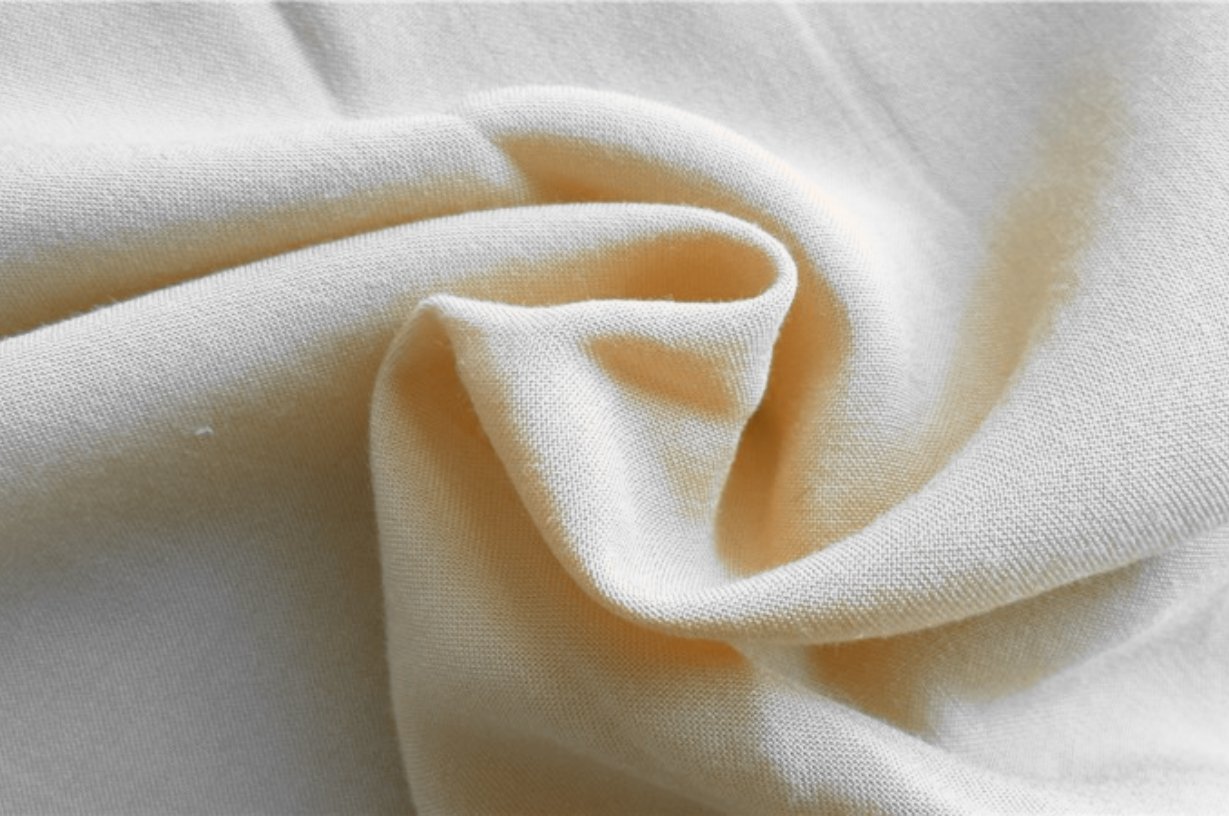
For apparel brands, occasion-wear producers, and home textile buyers, understanding what actually drives rayon fabric price makes it easier to interpret quotations, avoid paying premium prices for lower-tier rayon, and specify the right rayon variant for the intended end use. This guide covers the specific factors that drive rayon fabric price, how to source competitive rayon from China without accepting substituted or misrepresented fabric, and the verification steps in a disciplined bulk fabric purchasing process.
What Drives Rayon Fabric Price
Rayon Type (Viscose, Modal, Lyocell, Cupro, Bamboo) The specific rayon process used is the single largest driver of rayon fabric price. Standard viscose rayon sits at the lower end of the pricing range as the most established and highest-volume process. Modal, developed as a higher-strength viscose variant, carries a moderate premium. Lyocell (Tencel), produced through a closed-loop solvent-spinning process, typically carries a higher premium reflecting both improved fiber properties and more sustainable production. Cupro (Bemberg) sits at the premium end due to its unique cotton linter feedstock and cuprammonium process. Bamboo rayon technically shares process with viscose but often carries a moderate premium due to marketing positioning.
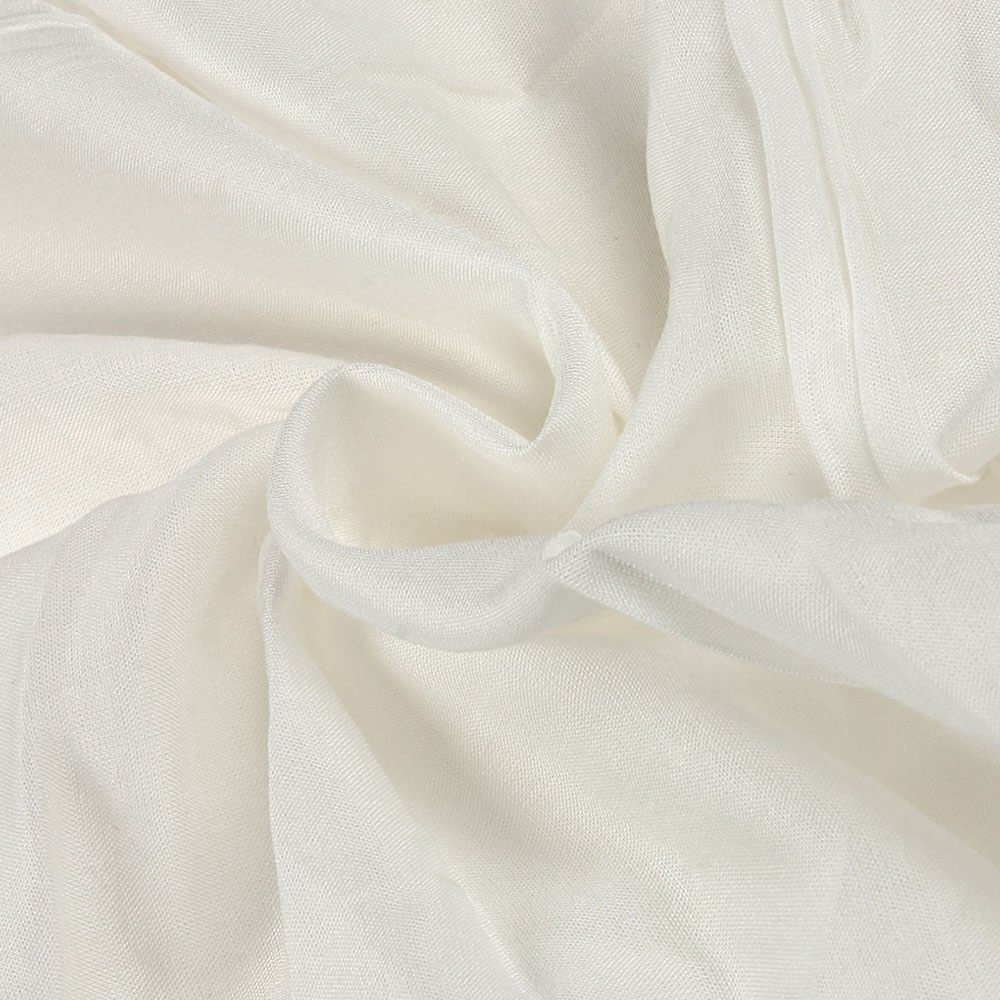
Dissolving Pulp Cost Rayon fiber production begins with dissolving pulp — a highly purified form of wood pulp specifically processed for chemical conversion. Dissolving pulp trades on global commodity markets, and its price movements flow through to rayon fabric quotations within weeks. When dissolving pulp prices are volatile — driven by softwood or hardwood market shifts, mill capacity changes, or environmental regulation impacts — rayon fabric pricing tracks that movement.
Fiber Denier and Yarn Count Rayon is spun into different denier and yarn count specifications, with finer deniers producing lighter, more refined fabric at higher cost. Standard viscose filament yarn spans a wide range, and finer yarn counts require more careful processing and cost more per kilogram than coarser yarn.
Filament vs Staple Rayon can be produced as either continuous filament yarn or as staple (short) fiber cut and spun like natural fibers. Filament rayon fabric generally has smoother, silkier hand and higher cost, while staple rayon fabric has more textured hand at lower cost. Both are common, and buyers should specify which is required rather than assuming.
Fabric Weight (GSM) and Construction Rayon spans a wide range of fabric weights — lightweight rayon challis around 90–120 GSM, mid-weight rayon crepe or twill around 130–180 GSM, and heavier rayon suiting fabric around 200–280 GSM. Weight directly drives yarn consumption and per-meter cost. Woven constructions such as plain weave, twill, and satin each carry different weaving cost, while more complex jacquard-woven rayon costs more per meter than simple wovens.
Dyeing and Printing Piece-dyed solid rayon is generally the most cost-efficient. Yarn-dyed rayon and printed rayon (rotary print, digital print, discharge print) each add processing cost, with digital printing being particularly cost-effective for short runs but higher on per-meter basis for longer runs.
Finishing Treatments Rayon fabric may be sanforized to reduce shrinkage, treated for wrinkle resistance, or given specialty softening finishes. Each finishing step adds to base fabric cost. Wrinkle-resistant finishing is particularly common on viscose rayon shirting to address the fiber’s natural tendency to wrinkle.
Certifications and Sustainability Claims Rayon fibers with sustainable-sourcing certifications carry meaningful premiums. FSC-certified pulp from responsibly managed forests, Tencel-branded lyocell with closed-loop verification, and CanopyStyle-audited producers all charge more than commodity viscose from unverified sources. Buyers making retail sustainability claims should factor these certification premiums into program budgets.
Blend Ratio Pure 100% rayon sits at the upper end of the fabric’s own pricing range. Rayon blended with polyester (poly-viscose or “PV blend”) or with cotton offers cost savings while retaining much of rayon’s drape character. Blend ratio should be specified rather than assumed.
Order Volume Rayon fabric mills operate on dyeing and finishing economics; small orders bear disproportionate setup cost per meter. Larger orders unlock better pricing tiers, particularly when aligned to a mill’s standard weight and yarn count.
Sourcing Region China dominates global commodity viscose rayon production. India, Indonesia, and Austria (Lenzing) are also major producers. Chinese mills generally offer the most competitive pricing on standard viscose fabric, while premium branded fibers like Tencel (Lenzing, headquartered in Austria) carry pricing shaped by the branded fiber supplier’s own market position.
Rayon Fabric Price Reference Table
| Rayon Fabric Type | Fiber Process | Relative Price Level | Common Application |
|---|---|---|---|
| Poly-Viscose Blend | Viscose + polyester | Lower | Budget dresses, linings, uniforms |
| Standard Viscose Rayon | Traditional viscose | Lower-Medium | Dresses, blouses, casualwear |
| Bamboo Rayon | Viscose (bamboo pulp) | Medium | Casualwear, activewear, sleepwear |
| Modal | High-strength viscose | Medium | Underwear, sleepwear, premium apparel |
| Lyocell (Tencel) | Closed-loop solvent-spinning | Medium-High | Premium apparel, sustainable retail |
| Cupro (Bemberg) | Cuprammonium (cotton linters) | High | Premium linings, luxury apparel |
Note: Dissolving pulp prices fluctuate meaningfully with global forestry and pulp market cycles, and rayon fabric quotations can shift within weeks in response; current quotations should always be used for actual budgeting rather than category benchmarks.
How To Source Competitive Rayon Fabric From China
China produces the world’s largest share of commodity viscose rayon and much of the global rayon-blend fabric supply. Buyers can access more favorable pricing by understanding how the rayon fabric sourcing market is structured across variants and regional clusters.
Match Rayon Variant to Actual Need This is the largest single lever for optimizing rayon fabric cost. Buyers frequently over-specify — asking for modal when standard viscose would meet the drape and hand requirement, or asking for Tencel when the retail claim does not depend on branded lyocell. Reviewing rayon variant against the true product need is more effective than negotiating aggressively on a fabric that is fundamentally more expensive than the product actually requires.
Consider Poly-Viscose Blends for Mid-Market Programs Poly-viscose blends (typically 65% polyester / 35% viscose, or 50/50) offer much of viscose’s drape character with better wrinkle resistance, easier care, and significantly lower cost. For workwear, uniforms, budget dresses, and mid-market retail programs, poly-viscose often outperforms pure viscose on the overall price-performance tradeoff.
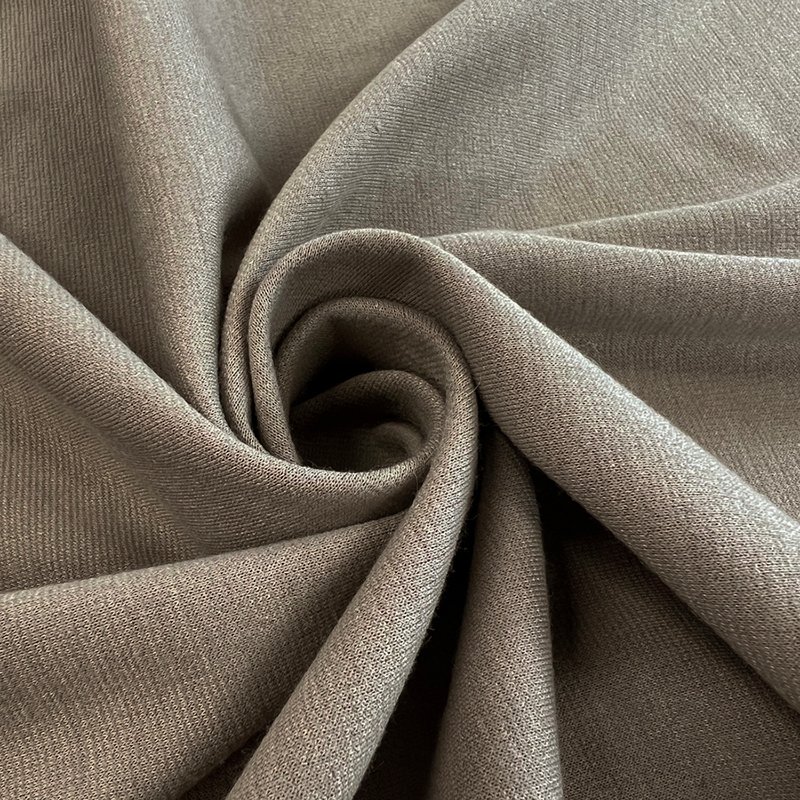
Use Standard Widths and In-Stock Constructions Mills carry in-stock greige rayon fabric in the most common construction, weight, and width combinations. Buyers who work within these standard specifications rather than requesting fully custom builds typically pay less and receive shorter lead times.
Consolidate Small Color Orders Rayon requires precisely controlled dye chemistry, and small custom colors carry disproportionately high per-kilogram costs due to minimum dye-lot sizes. Consolidating design variants into fewer, larger dye lots meaningfully improves total order economics.
Consider Sustainability Certification Timing Sustainability-certified rayon (FSC pulp, CanopyStyle-audited producers, Tencel-branded lyocell) carries a premium, but the premium is often justifiable for retail programs specifically marketing sustainable materials. For programs not making these retail claims, uncertified equivalent viscose can offer meaningful cost savings without a corresponding marketing loss.
Confirm Currency and Payment Terms Early Larger rayon orders can involve substantial working capital, particularly for pure lyocell or cupro programs. Buyers should confirm currency, deposit percentage, and balance payment timing in writing before production begins.
Consider Fabric Markets for Smaller Volume Needs For buyers whose rayon needs do not justify a direct mill relationship, wholesale fabric markets in Guangdong and Zhejiang carry ready-stock viscose, poly-viscose, and modal fabrics at competitive per-meter pricing due to vendor density and direct-to-buyer sales.
Precautions When Buying Rayon Fabric
Verify Actual Rayon Type “Rayon” is one of the most frequently misrepresented fiber names in commercial sourcing. Buyers specifying modal or Tencel should require fiber content testing, since standard viscose can be substituted at meaningfully lower cost and similar visual appearance. Some suppliers apply “modal” or “Tencel” descriptively when the fabric is actually standard viscose.
Confirm Branded Fiber Documentation Tencel (owned by Lenzing) and Bemberg (owned by Asahi Kasei) are branded fibers with authorization programs. Buyers relying on branded fiber marketing should require the specific supplier certification and, where applicable, contact the branded fiber owner directly to verify a mill’s authorization status.
Watch for Fiber Substitution in Blends Rayon-blend fabric can be quoted at one blend ratio and delivered at another — for example, 65/35 poly-viscose quoted but 80/20 delivered, reducing rayon content and material cost. Buyers should require blend ratio verification through fiber testing.
Confirm Shrinkage Testing Rayon shrinks significantly if not properly finished, sometimes 5–10% or more in the first wash. Untreated viscose in particular can shrink dramatically. Buyers should require shrinkage testing, using a relevant method such as ISO 5077, before bulk approval and confirm whether pre-shrinking or sanforizing has been applied.
Test for Wet Strength Rayon fibers lose significant strength when wet — often 50% or more compared to dry strength. This affects wash performance, and garments made from lightweight untreated viscose can be prone to seam slippage or tearing during machine washing.
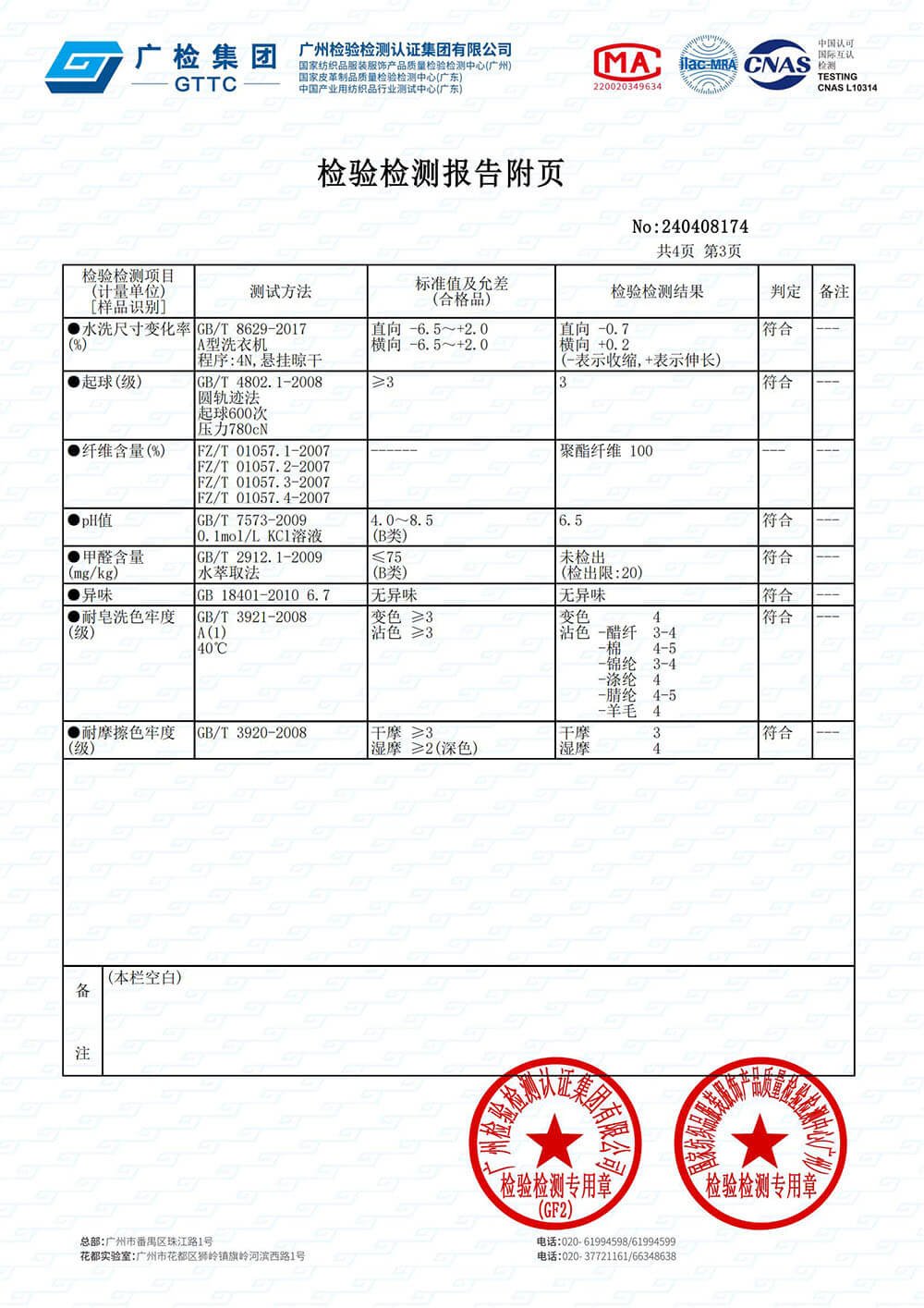
Confirm Colorfastness Rayon can be challenging to dye evenly, and some deep or bright shades may show reduced colorfastness to washing and rubbing. Colorfastness testing should be included in pre-shipment quality control.
Check for Wrinkle Behavior Untreated viscose wrinkles readily. Buyers should confirm whether wrinkle-resistant finishing has been applied and evaluate wrinkle behavior on samples rather than assuming the finish will match retailer expectations.
Verify GSM Against Specification Weight shortfall is a common cost-cutting shortcut in rayon sourcing. Buyers should require GSM verification on delivered goods rather than relying on sample-only verification.
Document Sample-to-Bulk Consistency Rayon fabric performance can drift between sample and bulk production, particularly for finishing and dye chemistry. Approved samples should be signed and sealed as the standard against which bulk delivery is compared.
Fabric Selection Recommendations
End-Use Requirements Flowing dresses, blouses, and drapey garments benefit from pure viscose or lyocell for their signature soft drape. Sleepwear and undergarments often perform best with modal for its softness and durability. Premium retail programs marketing sustainability may justify Tencel-branded lyocell. Casualwear and mid-market programs are often well served by poly-viscose blends.
Fabric Performance Buyers requiring stretch should specify a rayon blended with elastane rather than pure rayon. Buyers requiring wrinkle resistance should either specify a poly-viscose blend or a wrinkle-resistant finished pure rayon.
Comfort Requirements Rayon variants generally offer excellent breathability and moisture management — often better than either cotton or polyester — making them well suited to warm-climate wear despite their tendency to wrinkle.
Durability Expectations Modal and lyocell offer significantly better wet strength and long-term durability than standard viscose, and are worth the premium for garments intended for repeated wear over multiple seasons.
Washing Requirements Rayon variants have different care profiles — standard viscose often requires gentler care due to wet strength issues, while modal and lyocell generally handle machine washing more reliably. Care requirements should be confirmed before finalizing retail care labels.
Budget Considerations The two largest cost levers in rayon-family fabric are rayon variant choice (viscose vs modal vs lyocell) and blend ratio (pure rayon vs poly-viscose). Matching variant and blend to the specific retail claim rather than defaulting to premium tiers produces the most meaningful cost optimization.
Procurement Considerations
MOQ Requirements Rayon-family fabric MOQs vary significantly by variant. Standard viscose from established mills carries the lowest MOQs, while branded lyocell and cupro programs typically require higher minimums, particularly for custom colors or constructions.
Lead Time Expectations In-stock standard viscose and poly-viscose fabric generally ships fastest. Custom-color lyocell, cupro, or certified sustainable rayon typically requires longer lead times.
Quality Control Procedures Pre-shipment textile quality inspection should verify fiber content, GSM, shrinkage performance, wet strength for lightweight fabric, and colorfastness. First-bulk sample approval is particularly important for rayon due to potential drift between sample and bulk finishing.
Fabric Testing Requirements Common rayon fabric tests include fiber content verification, GSM verification, shrinkage testing, wet and dry tensile strength testing (particularly for lightweight fabric), colorfastness to washing and rubbing, and — for certified programs — chain-of-custody documentation.
Color Consistency Management Dye-lot variation can be visible on rayon, particularly on solid shades. Lab dip approval and bulk approval samples should be signed off before full production, and buyers should be particularly attentive to shade differences across dye lots.
Packaging Requirements Rayon fabric should be rolled to prevent set-in creases, and should be protected from prolonged humidity exposure that can affect dimensional stability during storage.
Shipping Considerations Sea freight is standard for bulk rayon orders. Buyers sourcing from tropical or humid transit routes should confirm packaging protection is adequate to prevent moisture-related damage or mildew development.
Supplier Evaluation Factors Buyers deciding how to choose a rayon fabric supplier should evaluate its fiber sourcing relationships (particularly for certified pulp), dyeing capability for the specific rayon variant, finishing capacity, and track record with the specific rayon tier being ordered. Standard viscose mills and lyocell-capable mills are often different suppliers.
Frequently Asked Questions
What is the difference between rayon and viscose? “Rayon” is the broader category name (used primarily in the U.S.), while “viscose” specifically refers to the traditional wet-spun rayon process (the most common form of rayon globally). Modal, lyocell, and cupro are all technically also rayons, produced by different processes, but they are usually referred to by their process-specific names.
Is Tencel the same as rayon? Tencel is a brand name owned by Lenzing for its lyocell fiber. Lyocell is a type of rayon produced by a closed-loop solvent-spinning process. So all Tencel is rayon, but not all rayon is Tencel.
Why is modal more expensive than viscose? Modal is a high-strength viscose variant produced through a modified process that yields stronger, more durable fibers with better dimensional stability. The process is more capital-intensive and the fiber commands a corresponding premium.
Is bamboo rayon actually made from bamboo? Yes, bamboo rayon starts with bamboo pulp, but it goes through the same chemical viscose process as wood-pulp viscose. The finished fiber is chemically identical to standard viscose regardless of pulp source, and the U.S. Federal Trade Commission requires accurate rayon or viscose labeling for most bamboo-derived textiles.
Does rayon fabric shrink? Untreated rayon shrinks significantly, often 5–10% or more in the first wash. Pre-shrunk or sanforized rayon shrinks meaningfully less, and buyers should confirm which treatment has been applied.
Is rayon more expensive than polyester? Standard viscose rayon generally sits at a slightly higher price point than commodity polyester, though the gap varies with dissolving pulp and petrochemical market movements. Modal, lyocell, and cupro carry premiums well above polyester.
Can I get the look of rayon at a lower price? Poly-viscose blends offer much of viscose’s drape at meaningfully lower cost, with the added benefit of better wrinkle resistance and easier care. Fully synthetic viscose-look fabrics exist but generally lack the moisture management character of real rayon.
Key Takeaways
- Rayon is a family of regenerated cellulose fibers — viscose, modal, lyocell (Tencel), cupro (Bemberg), bamboo — each produced by a different chemical process with meaningfully different pricing.
- Rayon pricing tracks the global dissolving pulp market and is capital-intensive to produce, giving it a hybrid cost profile unlike either natural or petrochemical-based fibers.
- Rayon variant choice, denier, filament vs staple form, blend ratio, and sustainability certification are the largest cost drivers within any given base construction.
- Rayon variant substitution (standard viscose sold as modal or Tencel), blend ratio shortfall, and unverified sustainability claims are the most common cost-cutting shortcuts to watch for.
- Matching rayon variant to specific retail claims — rather than defaulting to premium tiers — is the largest single lever for optimizing rayon fabric cost.
Conclusion
Rayon pricing rewards buyers who understand the specific fiber variant, denier, and blend structure they are actually paying for, rather than treating “rayon” as a single specification. The rayon family spans a wide price range, and paying premium-tier prices for standard-tier fabric — or vice versa, expecting premium performance at commodity pricing — is the most common cause of buyer disappointment. For related sourcing context, buyers can review guides on rayon vs cotton, rayon vs polyester, and the rayon fabric product page. Manufacturers such as SJZ Fabric are commonly considered by apparel brands sourcing rayon-family fabric where variant accuracy, shrinkage control, and blend ratio verification all need to hold up across a full production run. A clear grasp of what drives rayon fabric pricing ultimately supports more confident supplier negotiation and more predictable production outcomes.