
“Calendered fabric” is one of those terms buyers encounter on supplier spec sheets without a clear sense of whether it describes a specific fabric, a finishing technique, or a marketing category. In practice, it is a finishing category rather than a fabric type. A calendered fabric is a textile that has been passed through a machine called a calender — a series of heated pressurized rollers — that flattens, smooths, glazes, embosses, or textures the fabric surface as it moves through the roller nip. The base fabric can be cotton, polyester, silk, blends, or virtually any woven or knit textile; what makes it “calendered” is what happens during the fabric manufacturing and finishing process after weaving or knitting.
For apparel brands, product developers, and technical fabric buyers, understanding calendering matters because two fabrics that appear identical in fiber content, weight, and construction can behave and perform very differently based on whether and how they have been calendered. This guide covers how calendering actually works, the different calendering effects available, how the process affects fabric performance, and what buyers should verify when sourcing calendered fabric for bulk production.
How Calendering Works
Calendering passes fabric between two or more heavy cylinders — some heated, some polished steel, some covered in cotton or paper composite — under controlled pressure. As the fabric moves through the nip, the fibers on the surface are flattened, the fabric structure is compressed, and specific surface effects are produced depending on the roller configuration.
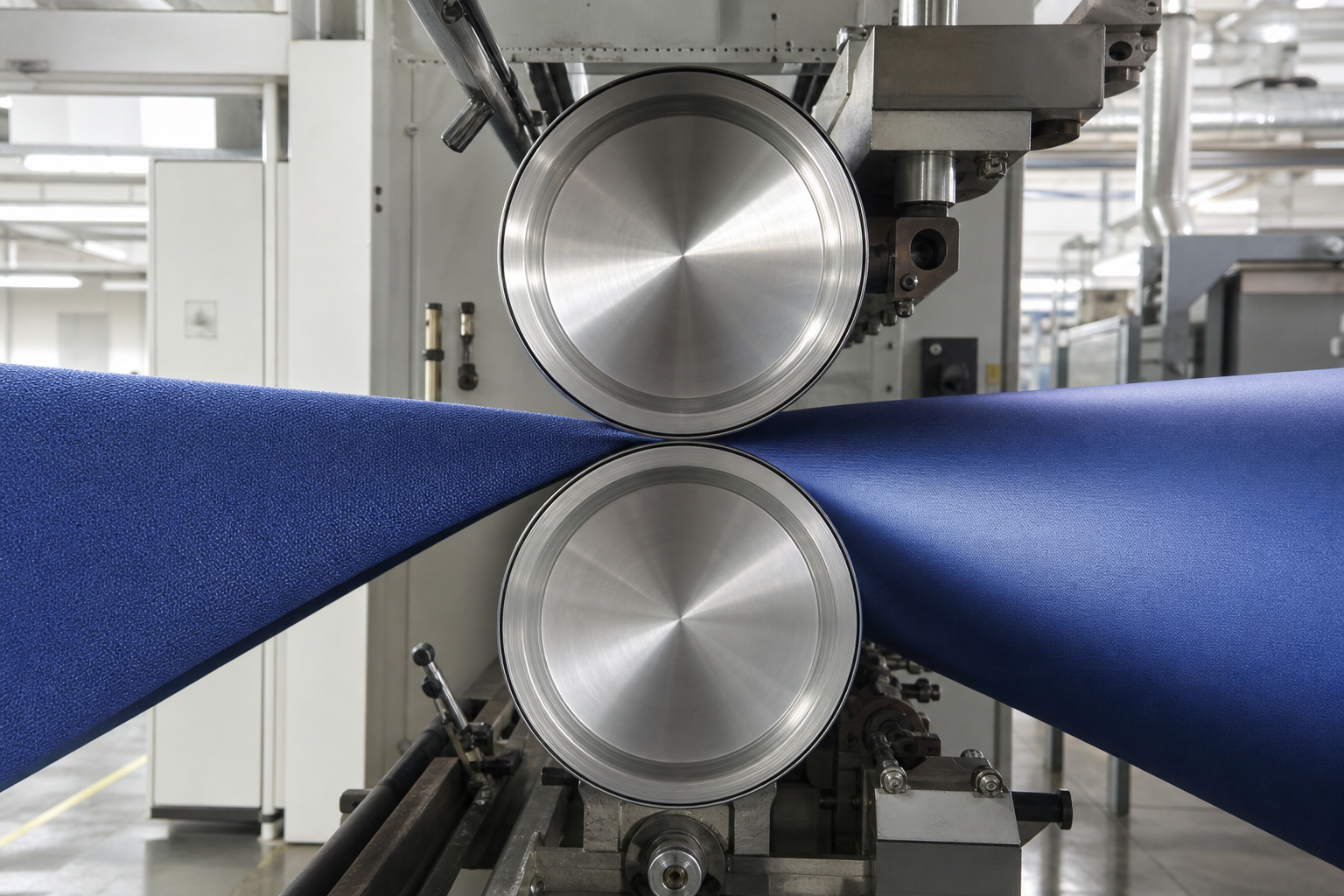
The main variables in calendering are:
- Temperature of the heated roller (typically 60–200°C depending on fiber and desired effect)
- Pressure applied at the roller nip (measured in kilonewtons per meter)
- Speed at which the fabric moves through the calender
- Roller composition and surface (polished steel, engraved steel, cotton bowl, paper bowl, elastic-covered)
- Number of nip points the fabric passes through in sequence
Adjusting these variables produces different finished results, ranging from a subtle smoothing effect to a highly reflective glazed surface or a distinct embossed pattern.
Main Types of Calendering Effects
Calendered finishes fall into several distinct categories, each producing a different surface effect and serving a different end use.
Simple Calendering (Smooth Finish) The most basic form of calendering produces a smoother, flatter fabric surface without significant added gloss. This is often used on cotton and blended fabrics to improve initial hand-feel, close the weave slightly, and give the fabric a more finished appearance.
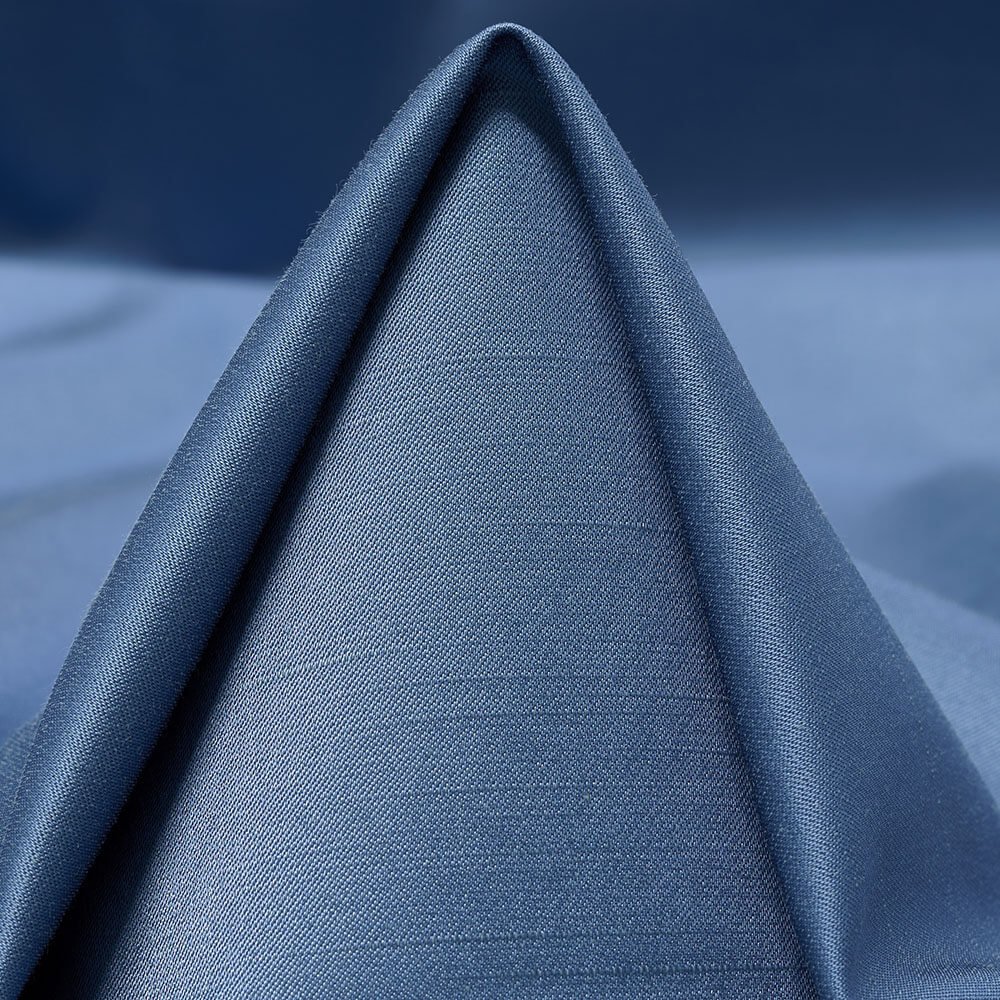
Glazed Calendering (Chintz Finish) Glazed calendering produces the high-shine, polished surface associated with chintz fabric, traditionally used in curtains and decorative pillows, and formal dresses. Historically achieved with wax coatings, modern glazed finishes are typically produced with resin coatings that make the finish more wash-durable than traditional wax glazing.
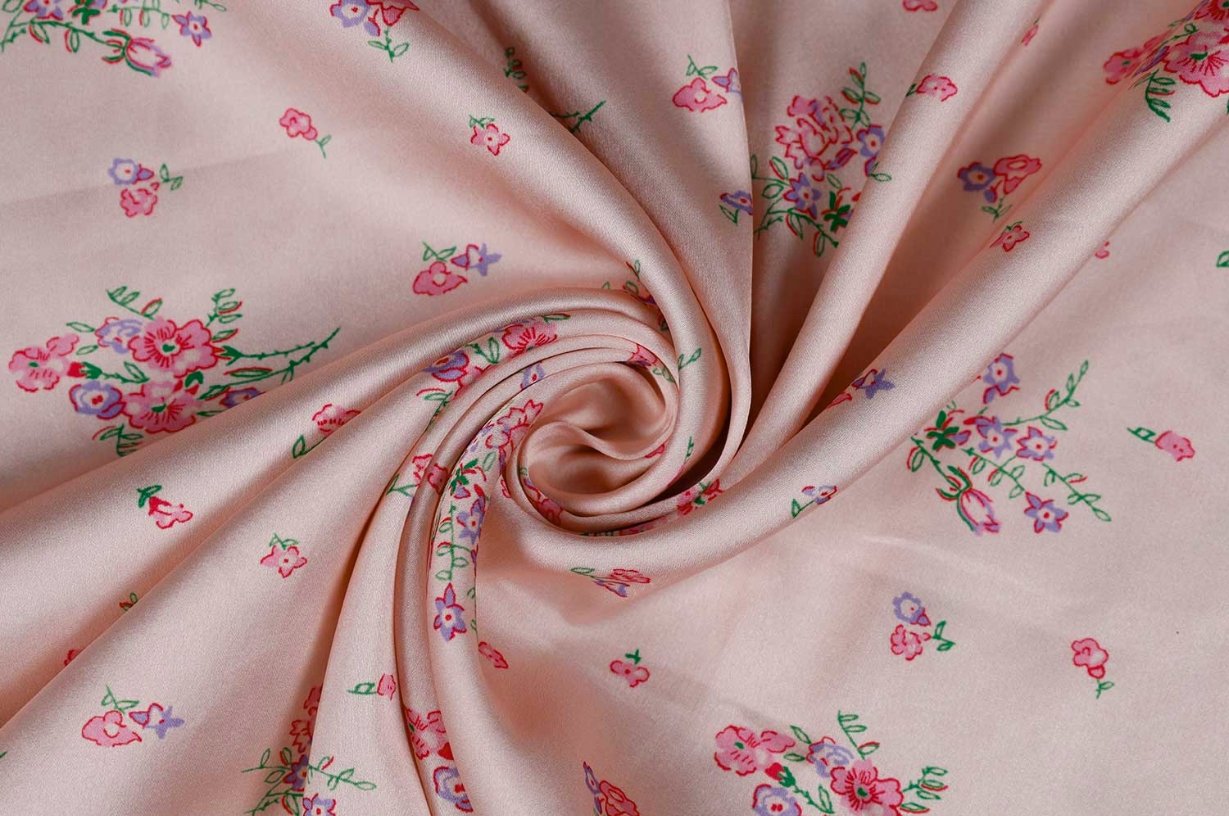
Embossed Calendering Embossed calendering uses an engraved steel roller to press a raised pattern into the fabric — leaf motifs, geometric designs, moiré-like waves, or custom brand patterns. The embossed effect is essentially “molded” into the fibers under heat and pressure.
Moiré Calendering Moiré calendering produces the distinctive watered-silk appearance seen on ribbons, formal evening wear, and some upholstery fabrics. The effect is created by feeding two layers of fabric through the calender together, so the weave structures interact under pressure to produce a rippled, watermark-like pattern.
Schreiner Calendering Schreiner calendering uses a finely engraved roller with hundreds of parallel lines per inch to produce a subtle, silk-like sheen without the mirror gloss of chintz. Historically used to give cotton fabrics a silk-like appearance.
Friction Calendering Friction calendering runs one roller at higher speed than the fabric, producing a highly polished, almost glass-like surface used for specific technical and decorative applications.
Calendering Effect Comparison Table
| Calendering Type | Roller Setup | Visual Effect | Common Application |
|---|---|---|---|
| Simple Calendering | Smooth polished rollers, moderate heat | Smoother, flatter surface | General cotton and blend finishing |
| Glazed (Chintz) | Polished rollers + resin coating | High gloss, polished | Curtains, formal dresses, décor |
| Embossed | Engraved steel roller | Raised pattern effect | Décor, novelty apparel, branding |
| Moiré | Two fabric layers through nip | Watered-silk ripple pattern | Formal wear, ribbons, upholstery |
| Schreiner | Finely lined roller | Subtle silk-like sheen | Cotton fabrics with luxury look |
| Friction | Speed differential rollers | High mirror polish | Technical, decorative applications |
How Calendering Affects Fabric Performance
Calendering changes fabric characteristics in several practical ways that buyers should factor into their sourcing decisions.
Hand-Feel Calendered fabric generally feels smoother and firmer than uncalendered equivalent fabric. Heavily calendered fabric can feel almost paper-like, which is desirable for some applications and undesirable for others.
Fabric Weight and Thickness Calendering compresses the fabric structure, reducing thickness and slightly increasing perceived weight per surface area. This can affect drape behavior and how the fabric layers in garment construction.
Air Permeability Calendering typically reduces air permeability by flattening the fabric structure and closing surface gaps. This can be an advantage for wind-resistance applications and a disadvantage for breathability-focused applications.
Luster and Appearance Calendered fabrics generally show more surface luster than uncalendered equivalent, and heavily glazed fabrics can appear almost patent-leather-like. This can significantly enhance retail appearance at point of purchase.
Wash Durability of the Effect This is the most commonly misunderstood aspect of calendering. The physical smoothing and glossing effect is not permanent — it flattens fibers rather than chemically bonding them. Simple calendering effects can diminish within 5 to 15 wash cycles, while resin-coated glazed or embossed finishes can last significantly longer. Buyers should confirm wash durability using repeatable procedures such as ISO 6330 textile washing and drying tests rather than assuming the effect will persist through garment life.
Absorbency Calendering generally reduces fabric absorbency by compressing the fiber structure. This matters for towels, wipes, and any application relying on moisture absorption.
Fabric Selection Recommendations
Selecting the right calendered finish depends on matching the finishing effect to the intended end use, not simply choosing whichever finish looks most appealing on the sample swatch.
End-Use Requirements Decorative home textiles (curtains, cushions, formal upholstery) often benefit from glazed or embossed calendering to enhance visual presence. Apparel for extended wear may not benefit as clearly from heavy calendering, since the effect diminishes with washing while the reduced breathability and stiffer hand remain.
Fabric Performance Buyers requiring wind-resistant sportswear fabric can use calendering as a lower-cost alternative to coating for certain applications, though performance is less predictable than dedicated coatings.
Comfort Requirements For skin-contact garments, heavy calendering reduces breathability and can make the fabric feel less soft next to skin. Lightly calendered or uncalendered options generally perform better for close-fitting apparel.
Durability Expectations The calendered effect itself is not fully durable, particularly on non-resin-coated fabrics. Buyers should evaluate not only initial appearance but expected appearance after wash cycles matching the garment’s intended life.
Washing Requirements Care requirements are heavily influenced by the specific calendering and coating chemistry used. Buyers should confirm washability requirements before making retail care claims.
Budget Considerations Calendered fabric pricing typically carries a modest cost premium over uncalendered equivalent fabric, primarily reflecting the additional finishing step. Heavier finishing (glazed, embossed, moiré) carries a larger premium than simple smoothing.
Procurement Considerations
Buyers following a structured fabric sourcing process should evaluate the following factors to reduce risk of quality inconsistency between sample and bulk delivery.
MOQ Requirements Calendered fabric MOQs vary by fabric type and calendering method, with standard smoothing/glazing finishes generally carrying lower minimums than custom embossed patterns, which may require dedicated engraved roller production.
Lead Time Expectations Standard calendering adds one to two production steps to base fabric lead time. Custom embossed patterns require roller engraving, which can extend lead time significantly if a new roller must be produced.
Quality Control Procedures Pre-shipment textile quality inspection should verify not only the base fabric properties but the calendered effect consistency, including surface luster uniformity, embossed pattern accuracy, and absence of scorching or heat marks from over-heated rollers.
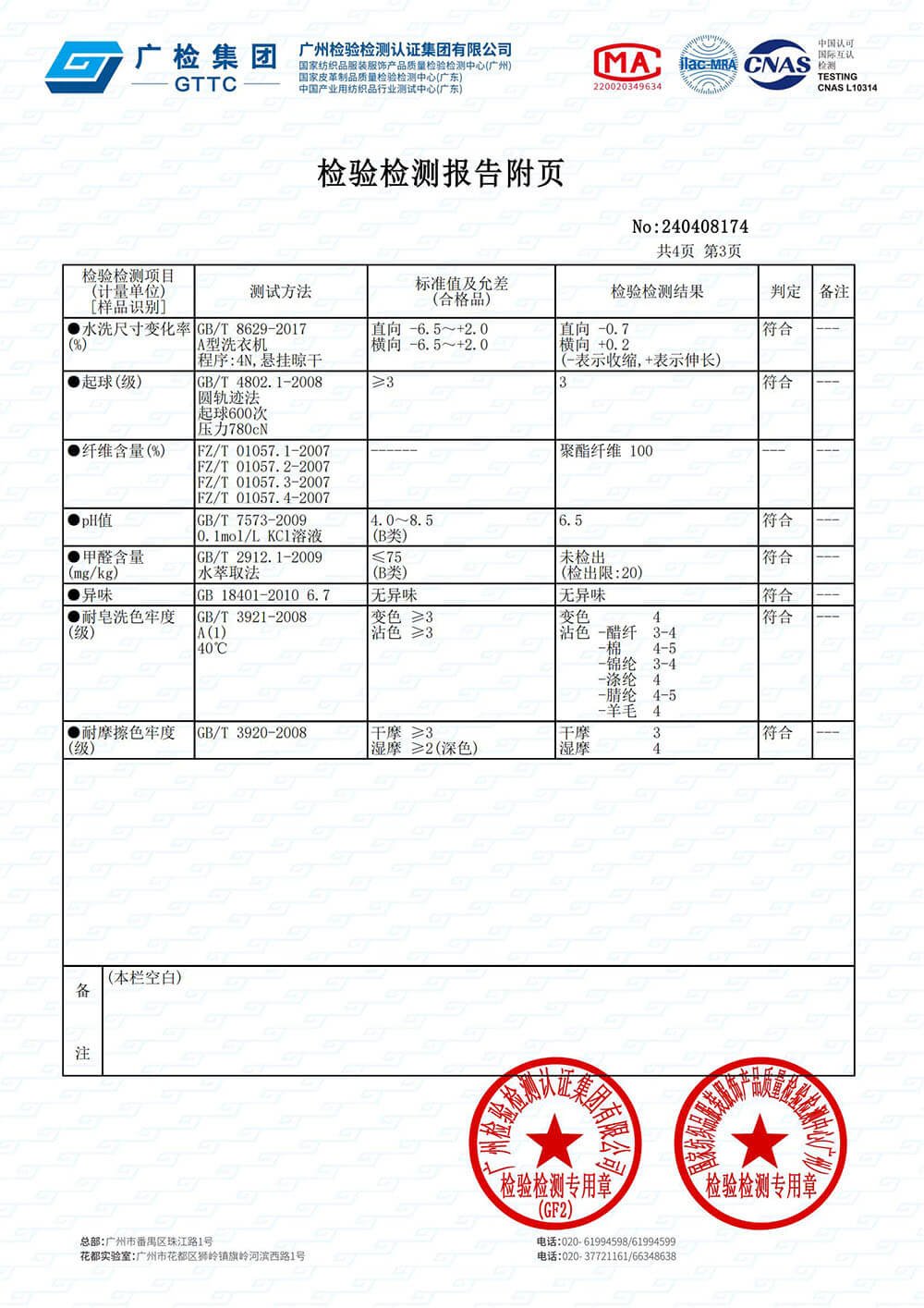
Fabric Testing Requirements The ISO catalogue for textile cleansing, finishing, and water-resistance tests provides relevant methods; common tests for calendered fabric include wash durability of the calendered effect, dimensional stability, colorfastness (calendering can affect surface dye behavior), and air permeability where relevant to the application.
Color Consistency Management Calendering can affect perceived color intensity by changing surface reflectance. Lab dip approval should be reviewed on already-calendered fabric samples, not on uncalendered swatches, since the two may appear as visibly different colors even if dyed identically.
Packaging Requirements Calendered fabric should be rolled, not folded, to avoid permanent crease marks in the flattened surface. Heavily glazed fabric may require additional protective wrapping to prevent surface transfer during storage.
Shipping Considerations Humid transit conditions can affect wax-based glazed finishes; buyers sourcing traditional glazed chintz should confirm packaging protection during international transit.
Supplier Evaluation Factors Buyers learning how to choose a fabric supplier should evaluate the supplier’s calender equipment specifically, including whether the mill has in-house calendering capability or subcontracts to a separate finishing house. In-house capability generally provides more consistent quality control between weaving and finishing stages.
Precautions When Buying Calendered Fabric
Confirm Wash Durability of the Calendered Effect This is the most common area of buyer disappointment. Ask specifically how many wash cycles the calendered effect is rated to maintain at the specified appearance level, and require documentation rather than a verbal claim.
Verify Whether the Effect Is Physical Calendering or a Coating Some fabrics marketed as “calendered” are actually coated with a surface film that mimics the calendered appearance at lower cost. Coatings have different wear behavior, breathability, and disposal implications than physical calendering.
Confirm Base Fabric Specifications Independently Because calendering changes the surface appearance and hand-feel, it can mask base fabric shortcuts — including lower GSM than specified or lower-grade fiber. Buyers should require base fabric weight and fiber content verification independent of the finished surface appearance.
Watch for Heat Marks and Scorching Improperly controlled calendering can produce visible scorch marks, uneven gloss, or heat-induced color shifts. Sample review should include full-width inspection, not only a small swatch cutting.
Test for Peeling or Cracking of Coated Finishes Glazed and resin-coated calendered finishes can crack or peel with wear, particularly at fold points and seam areas. Buyers should include flex-testing (repeated folding and unfolding) in sample evaluation for garments with heavy movement.
Confirm Care Label Requirements With Supplier Care labels for calendered fabric can differ significantly from care labels for the same base fabric uncalendered. Suppliers should document recommended care instructions in writing before care labels are printed for retail garments.
Frequently Asked Questions
Is calendering the same as glazing? No. Glazing is one type of calendering — specifically, calendering combined with a resin or wax coating to produce a high-gloss surface. Simple calendering without added coating produces a smoother surface without the high gloss of glazed finish.
Is calendered fabric waterproof? No, not by itself. Calendering can slightly reduce fabric permeability by compressing the structure, but calendered fabric is not waterproof and should not be marketed as such. Waterproof performance requires dedicated coating or membrane construction.
Does calendering shrink fabric? Calendering itself does not significantly shrink fabric, but the heat involved in calendering can affect fabric dimensional stability. Buyers should confirm shrinkage testing has been conducted on the calendered fabric, not just on the base fabric before finishing.
Which fabrics can be calendered? Most woven and knit fabrics can be calendered, including cotton, polyester, silk, blended fabrics, and technical fabrics. The specific calendering method used depends on the fiber content and desired effect.
How long does a calendered finish last? Wash durability varies significantly by finishing chemistry. Simple mechanical calendering effects can diminish within 5 to 15 wash cycles, while resin-coated glazed and embossed finishes can last significantly longer. Confirm specific wash durability with the supplier.
Is calendered fabric more expensive than uncalendered fabric? Calendered fabric typically carries a modest to moderate premium over uncalendered equivalent, primarily reflecting the additional finishing step. Heavy or specialty calendering (embossed, moiré, glazed) carries a larger premium than simple smoothing.
Can calendered fabric be washed at home? Care requirements depend on the specific calendering method and any coatings involved. Some calendered fabrics tolerate delicate machine washing, while glazed and heavily coated finishes may require dry cleaning. Confirm care requirements with the supplier before making retail claims.
Key Takeaways
- Calendered fabric refers to a finishing category, not a fabric type — the base fabric can be virtually any woven or knit textile, and calendering describes what happens to it after production.
- Different calendering methods (simple, glazed, embossed, moiré, Schreiner, friction) produce very different visual and performance effects and carry different cost profiles.
- Calendering changes fabric hand-feel, appearance, breathability, and absorbency, sometimes significantly, and buyers should evaluate these changes against intended end use.
- The calendered effect is not fully wash-durable, particularly for non-coated simple calendering; buyers should verify wash-cycle durability specifically before making retail claims.
- Calendering can mask base fabric shortcuts, so buyers should verify base fabric specifications independently of the finished surface appearance.
Conclusion
Calendered fabric is best understood as a finishing decision layered on top of an underlying base fabric, rather than as a fabric category in its own right, and the sourcing considerations reflect that layered structure — buyers evaluate both the base fabric and the finishing separately. For related context on other finishing and construction topics, buyers can review guides on fabric texture, brushed fabric, and the fabric manufacturing process. Manufacturers such as SJZ Fabric are commonly consulted by apparel brands sourcing calendered fabric where finish consistency, wash durability, and accurate representation between sample and bulk delivery all need to hold up under retail scrutiny. A clear grasp of what calendering actually is — and is not — ultimately supports more accurate sourcing decisions and more predictable retail outcomes.